

Table of Contents
Nowadays, many technologies are developed to reduce the negative impact of carbon emissions, one of which is carbon capture and storage (CCS).
This technology is widely used by factories and power plant facilities to lower carbon emission, which becomes the primary cause of global warming. Want to learn more about how carbon capture and storage work? Read this article until the end!
What Is Carbon Capture and Storage (CCS)?
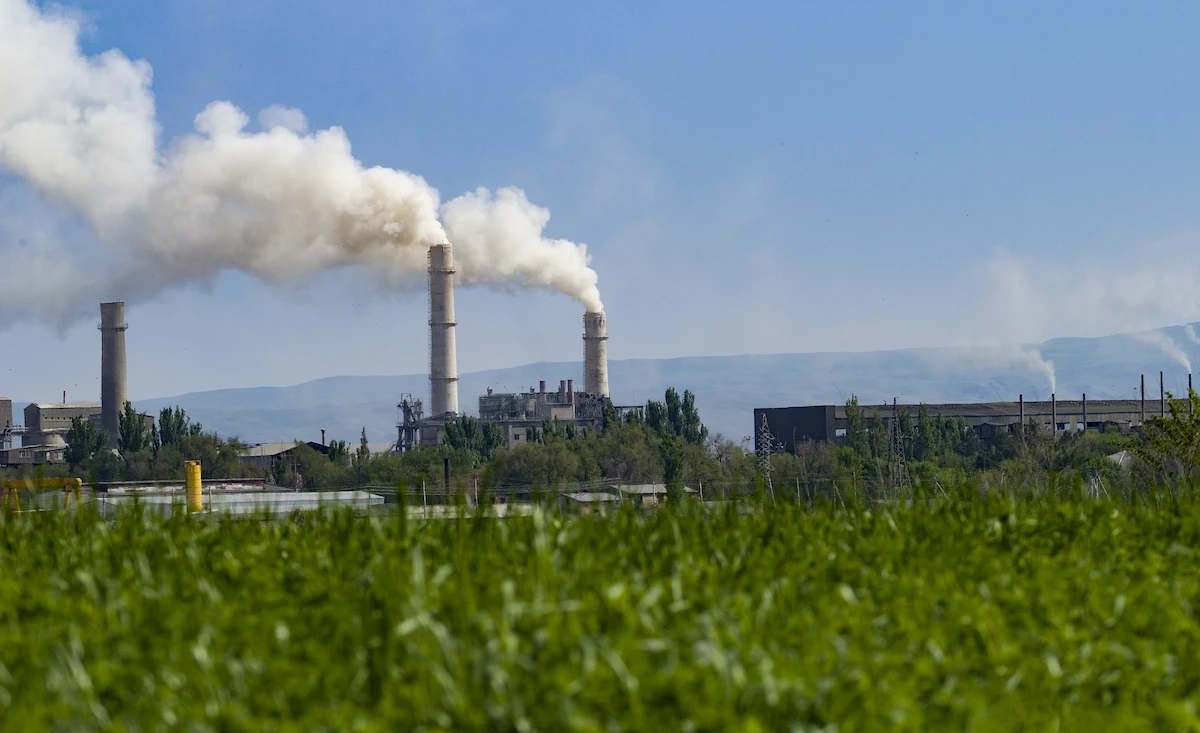
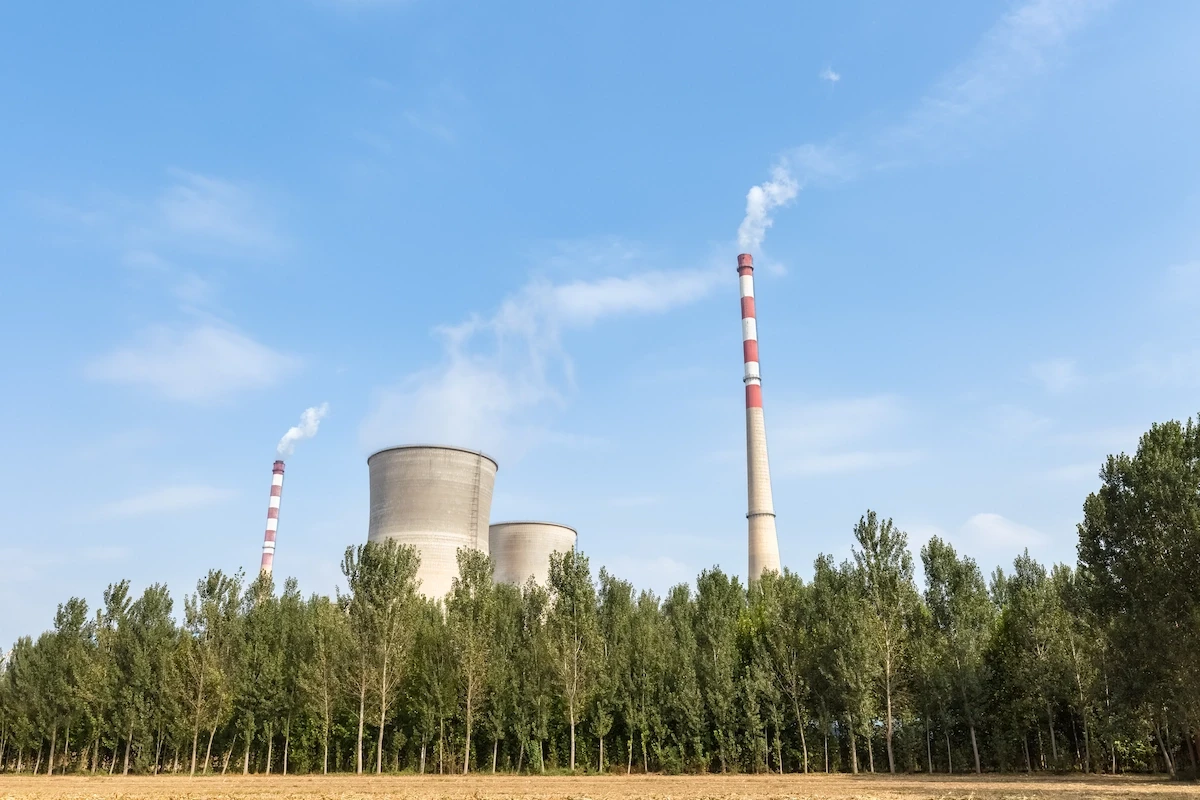
Carbon capture and storage is a technology that captures carbon dioxide emissions from operational processes (usually from industrial processes) or from fossil energy combustion for energy supply.
The carbon emissions captured will be channeled through a vessel or pipeline and then will be stored underground for permanent isolation. Carbon capture and storage can also mean removing carbon dioxide from the atmosphere indirectly or directly. Another name to call CCS is sequestration.
Then, why is CCS important? It is important to know that carbon emissions have become one of the main causes of the worsening impacts of global warming and climate change.
Statista revealed the annual carbon emissions globally from 1940 to 2025. In fact, Statista forecasted that in 2025, the global annual carbon emissions could reach 38.11 billion metric tons, increasing from 2024, which was 37.78 billion metric tons.
Moreover, the Intergovernmental Panel on Climate Change (IPCC) emphasized that to realize the Paris Agreement, in which the temperature increase limit is 1.5 degrees Celsius, human beings need more than reducing carbon emissions, but also using technology to remove carbon dioxide from the atmosphere.
CCS can become one of the innovations to fill in the role, together with other technologies that are currently being developed.
Read also: 3 Simple Steps to Combat Climate Change
How Carbon Capture and Storage Works
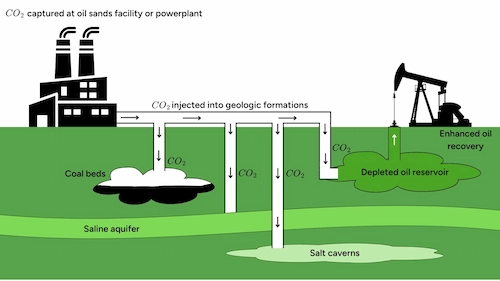
Carbon capture and storage (CCS) operates in three general stages: capturing, transporting, and storing. Here is the complete explanation:
Capturing Phase
Carbon emissions from power plants and industrial processes are first captured before they are released into the atmosphere. However, this phase can also be carried out by capturing carbon dioxide that is already in the atmosphere, but this is still being developed further.
Some common methods for removing carbon dioxide are post-combustion, pre-combustion, and oxyfuel combustion.
In post-combustion, carbon dioxide from the combustion process is “captured” from the exhaust gas. This process is known as one of the most conventional processes, especially in power plants.
On the other hand, pre-combustion captures carbon dioxide before burning fossil fuels. This energy is partially burned to create synthetic gas, and then the emissions are captured from the pure exhaust gas stream.
Generally, pre-combustion is used in fertilizer manufacturing, energy production, and chemical gas fuel production. Uniquely, this technique can produce hydrogen that can be separated to become fuel.
Then, in the oxyfuel combustion technique, fossil fuels are burned with oxygen so that no air is used. As a result, the exhaust gas produced mostly contains carbon dioxide and water vapor. The water vapor will condense, while the carbon dioxide can be transported for storage.
Transporting Phase
The transporting phase is a process of delivering collected carbon dioxide. Yet, it will be compressed first and dehydrated before being transported.
Typically, the carbon dioxide transportation process uses pipelines, vessels designed to carry gas and liquid carbon dioxide, or special tanks.
Storing Phase
Once the carbon dioxide reaches the storage site, the emissions will be injected into rock formations deep underground. The distance can be more than a kilometer from the Earth’s surface.
These rock formations have the same role as the rock formations that have trapped petroleum and natural gas in the Earth’s crust for millions of years. Eventually, the carbon dioxide will be permanently stored in these rock formations.
Alternatively, the carbon dioxide can be recycled for other industrial processes. For example, carbon dioxide can be injected into oil fields to increase the amount of oil that can be extracted.
Read also: Understanding Green Economy: Key Principles & Applications
The Implementation of Carbon Capture and Storage
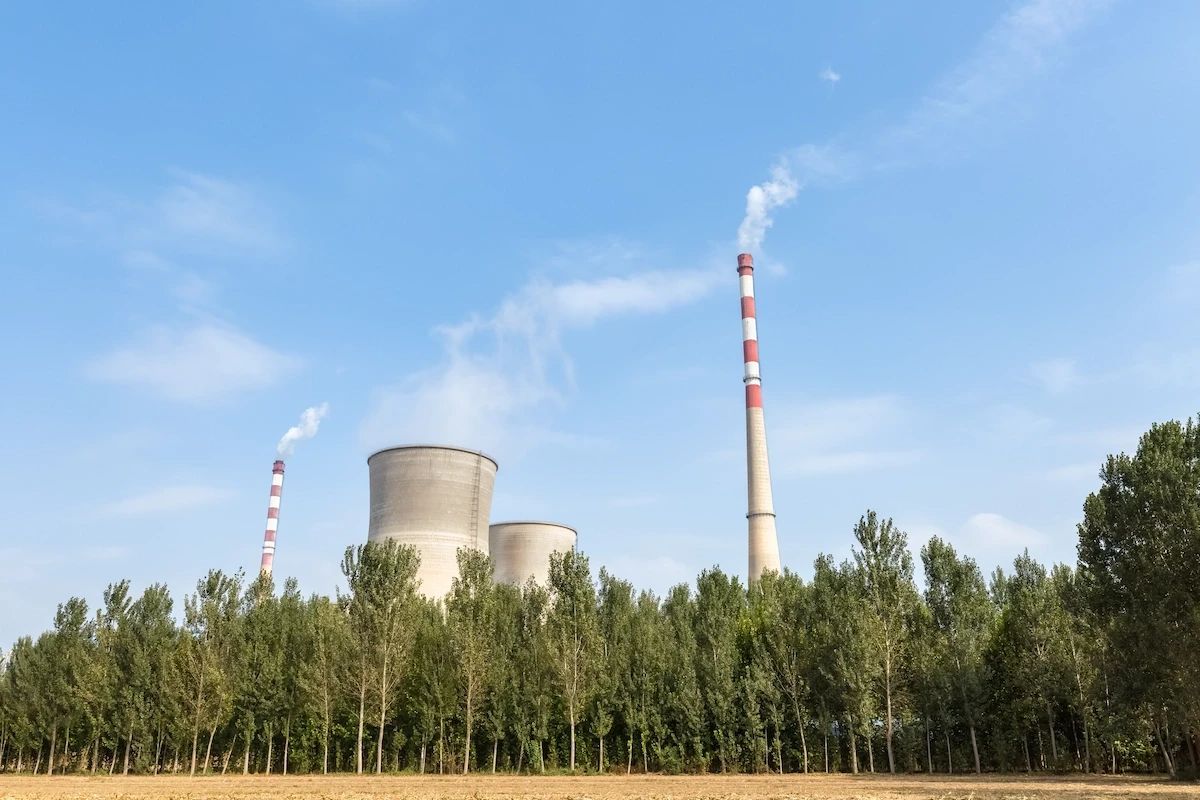
Carbon capture and storage (CCS) was initially operated in the United States, specifically in 1972. Moreover, this country has more than 10 large-scale CCS. Along with the United States, here are some countries implementing CCS:
- Canada: Canada has several CCS, and one of them is Weyburn-Midale, which has been storing 2 million metric tons of carbon dioxide since 2000.
- Norway: Norway is one of the CCS pioneers, in which the Sleipner Field has been storing carbon dioxide since 1996. The emissions captured then are separated and injected into the underground salt formation.
- China: China has some CCS projects, but not many large-scale projects have been developed.
- Europe: The EU supports CCS through the Emissions Trading System, but the progress is considered slow because only operational projects are handled.
In Indonesia, Chandra Asri Group, as a chemical, infrastructure, and energy company, has reviewed the CCS Hub potential in Indonesia. With experience in working on integrated infrastructures, Chandra Asri Group is optimistic about developing the CCS Hub in Indonesia.
That is all the information you need to know about carbon capture and storage. Currently, extreme weather events are becoming more frequent, and sea surface temperatures are rising. This implies that to protect the future of both the Earth and humanity, we must actively work to lessen the effects of global warming.
In addition to using technology to reduce carbon emissions, such as CCS, you as an individual can also contribute to the health and sustainability of the Earth!
One of the efforts you can make is joining Indonesia Asri! The environmental campaign from Chandra Asri Group offers many environmental conservation programs, one of which is #AksiAsri
Through this campaign, you can participate in various sustainable challenges and obtain rewards for every activity.
What are you waiting for? Register yourself now and give your real actions to the Earth’s conservation!
Read also: Top 5 Asian Cities Leading in Electricity Consumption