


Table of Contents
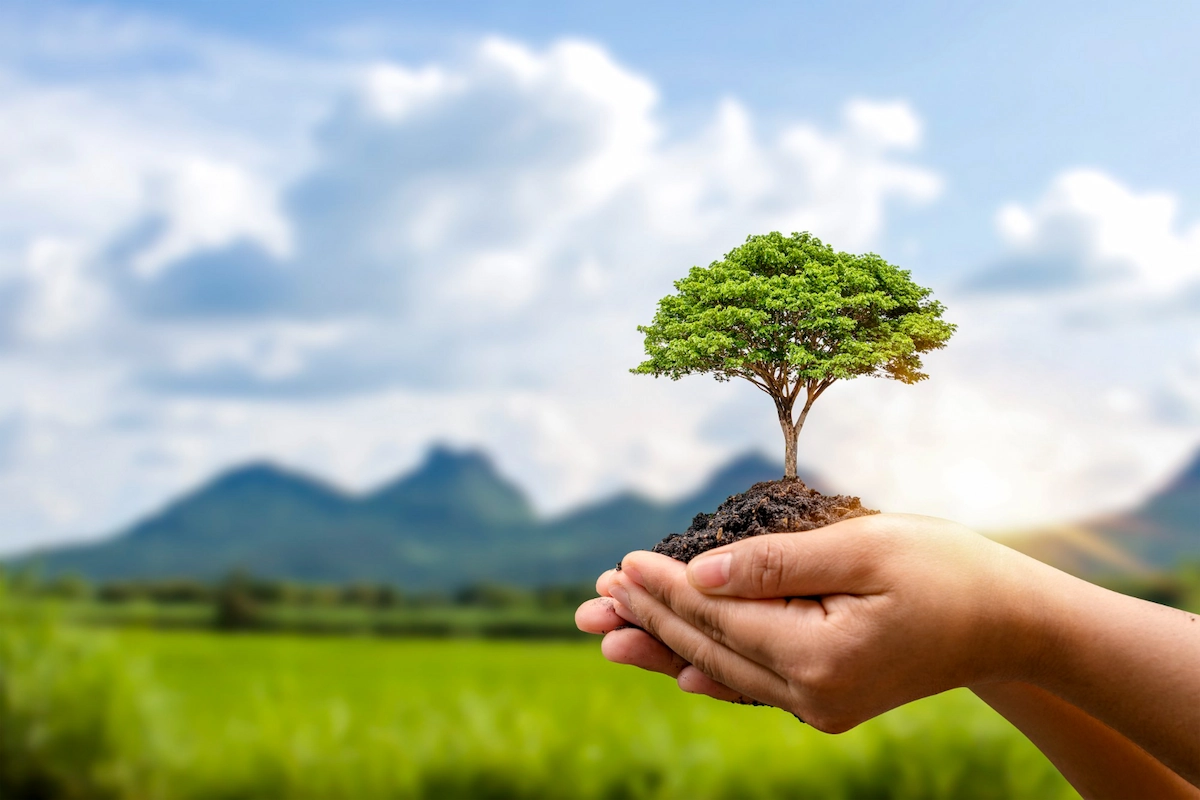
Keeping the Earth green is no longer an option, but an urgent necessity. This is especially important given the frequent floods, extreme heat, deteriorating air quality, and declining green spaces across Indonesia.
Environmental greening initiatives are concrete steps toward combating environmental destruction, reducing pollution, and improving air quality for future generations.
Want to know various examples of environmental greening initiatives that you can do at home or in your neighborhood? Keep reading this article and find out some actions you can take to contribute to keeping the Earth green and healthy!
What Are Environmental Greening Initiatives?
In general, environmental greening initiatives are a series of activities aimed at planting, caring for, and preserving plants or trees to enhance the quality of the environment.
According to Prof. Dr. Emil Salim, an Indonesian environmental expert, environmental greening initiatives are systematic efforts to plant and care for plants to maintain environmental quality, including controlling erosion, pollution, and climate change.
Meanwhile, the Ministry of Environment and Forestry (KLHK) defines environmental greening as the planting of trees or other vegetation in critical and urban areas to improve air quality, retain water, and preserve biodiversity.
Benefits of Environmental Greening
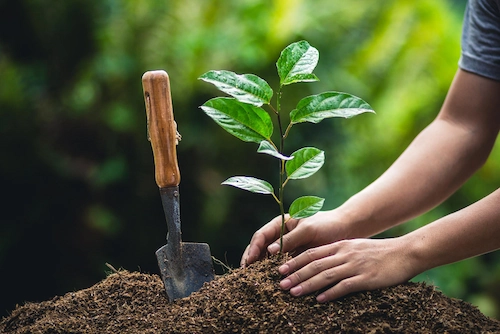
Environmental greening initiatives are not only beneficial for ecosystems but also provide benefits for humans in various aspects. Here are some of the main benefits of environmental greening initiatives:
Aesthetic Benefits
Environmental greening enhances the environment’s beauty and comfort. The existence of trees, ornamental plants, and green parks increases the aesthetic value of urban and rural areas, creating a cool, shady, and calming atmosphere for the community.
Orological Benefits
Orology refers to the prevention of erosion or soil erosion. In this case, greening helps regulate land contours and prevent erosion. Planting trees on slopes and hills can help prevent erosion, landslides, and soil degradation while maintaining the area’s topographical stability.
Hydrological Benefits
Do you know that greening also plays an essential role in maintaining the water cycle? Plant roots help retain rainwater, reduce surface runoff, increase infiltration, and maintain groundwater availability, thereby preventing flooding and drought.
Climatological Benefits
From a climatological perspective, greening also contributes to climate change mitigation and to the preservation of air quality. This is because trees absorb CO₂, reduce air pollution, and lower the temperature of the surrounding area through evapotranspiration, a combination of water evaporation from the soil and water bodies (evaporation) and from plants through leaf stomata (transpiration).
Protective Benefits
Reforestation in urban and rural areas also provides protective benefits, helping to shield soil, buildings, and people from disasters. Tree roots can prevent landslides, trees provide shade, and vegetation along riverbanks prevents erosion.
Read also: 10 Effective Efforts to Overcome Environmental Pollution
What Is the Difference Between Greening and Reforestation?
According to Government Regulation Number 35 of 2002 concerning Reforestation Funds, reforestation is defined as the replanting of trees in deforested or damaged forests to restore the ecological function of the forest and maintain the balance of nature.
Meanwhile, greening has a broader scope, namely, efforts to restore critical land outside forest areas through vegetative planting to restore land function.
In other words, reforestation is a specific form of greening that focuses on restoring damaged forests, while greening covers broader activities, including the restoration of critical land in urban or non-forest areas.
Examples of Environment Greening Initiatives
To understand how environmental greening initiatives are implemented, below are several approaches to greening initiatives across various areas.
Planting Protective Trees in Urban Areas
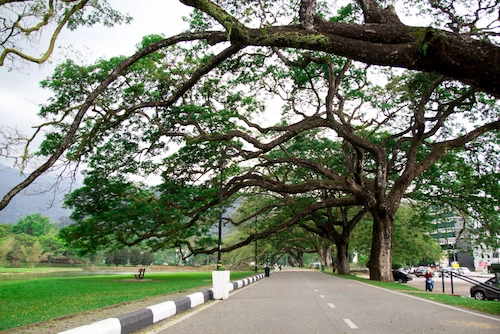
Do you know that greening actions can be carried out by planting protective trees in urban areas? Yes, by taking this simple action, you can help reduce air pollution, lower ambient temperatures, and provide comfortable shade in streets and public areas.
Creating Gardens on Building Roofs or House Walls

Empty roofs or walls in houses or offices can be turned into mini gardens. In addition to enhancing the room’s appearance, rooftop or vertical gardens can reduce heat, filter pollution, and create a cool, calming green atmosphere.
Revitalizing School Gardens or Public Facilities
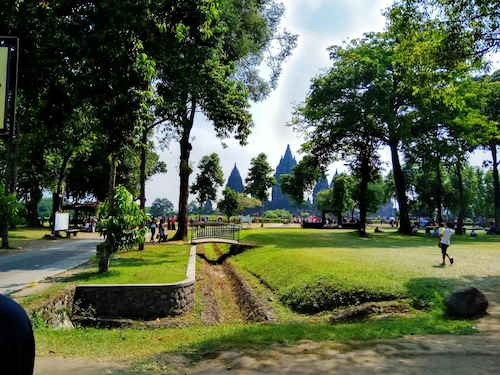
Revitalizing school gardens or public facilities provides comfortable, healthy urban spaces for learning and socializing. By planting plants and improving existing facilities, the surrounding environment becomes cooler, more beautiful, and more welcoming to the community.
Revitalization of Vacant Land or Riverbanks
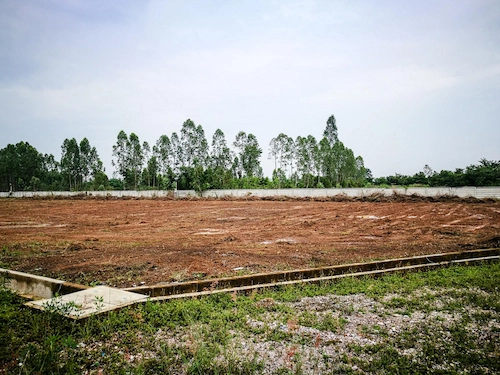
In addition to utilizing school gardens and public facilities, revitalization can also be carried out on vacant land or riverbanks.
Revitalization of vacant land or riverbanks can transform previously neglected areas into useful green spaces. By planting trees, shrubs, and erosion-control plants, the environment becomes more aesthetically pleasing while also preventing flooding.
Reforestation of Damaged Forests
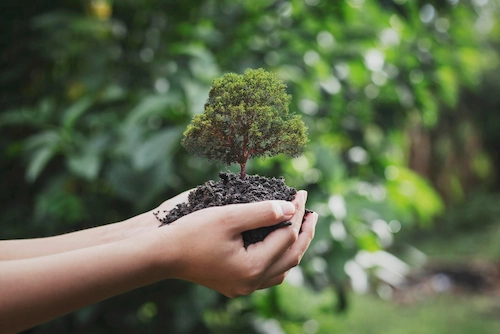
Reforestation of damaged forests helps restore ecosystems, prevent soil erosion, and maintain clean air quality, thereby supporting the sustainability of life in the surrounding area. Reforestation also preserves biodiversity, ensuring forests remain sustainable.
These are various examples and ways to implement environmental greening initiatives, from planting protective trees and revitalizing parks and vacant lots to reforestation of damaged forests. All of these steps play an important role in maintaining the balance of the ecosystem.
You can also play a direct role in preserving the Earth by joining Indonesia Asri. Through the #AksiAsri program, you can participate in various activities that support greening efforts to create a healthy, sustainable environment.
So, what are you waiting for? Register now to become Warga Asri and work together to take real action to realize a greener environment!
Read also: Get to Know the 10 Cleanest Cities in Indonesia of 2025