

Table of Contents
Fossil fuels will eventually run out, as is well known. As a result, alternative energy sources are now becoming a more sensible way to lessen reliance on fossil fuels and the environmental damage caused by their use.
Alternative energy comes from renewable natural resources, which are believed to be less prone to scarcity than fossil fuels. What are some examples of alternative energy that can be utilized in daily life?
This article will help Warga Asri understand examples of alternative energy, how they work, and their applications. Let’s read the following explanation.
Examples of Alternative Energy in Everyday Life
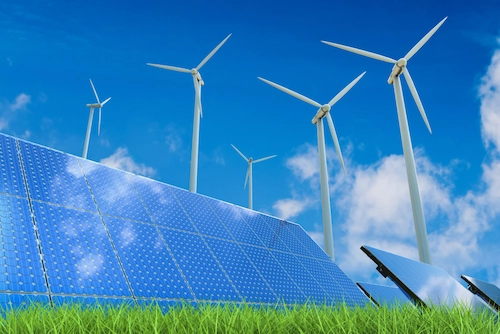
Some examples of alternative energy commonly utilized for human needs are as follows:
Solar Energy
Solar energy is an alternative energy source derived from sunlight. This energy is generally channeled through solar panel technology, where sunlight is converted into electrical energy through photovoltaic (PV) cells.
When sunlight hits the surface of the PV cell, photons from the sunlight collide with electrons in the cell. The electrons move, creating an electric current that can be used directly or stored in a battery.
Solar panels can be installed on building roofs, large land areas, or the surface of reservoirs using solar-floater technology.
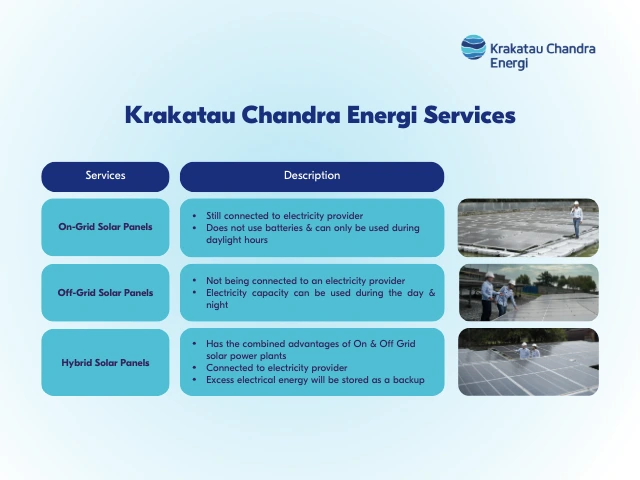
In Indonesia, one company contributing to the development of solar panel technology is Krakatau Chandra Energi. As a subsidiary of Chandra Asri Group, Krakatau Chandra Energi provides solar panel installation services.
Krakatau Chandra Energi offers three solar panel installation methods to suit different needs, namely On-Grid Solar Panels, Off-Grid Solar Panels, and Hybrid Solar Panels.
Hydropower
Water is not only a resource enjoyed for its freshness, but it can also serve as an alternative energy source. This alternative energy is generated by converting the kinetic energy of water into electrical energy in a hydroelectric power plant.
The process of converting water energy generally occurs in dams, rivers, or reservoirs. The water flow turns the turbine, generating mechanical energy, which is then converted to electrical energy by a generator. The process of water falling onto the turbine and the volume of water flow produce electrical energy.
Indonesia has numerous dams, reservoirs, and rivers, so it is not surprising that hydropower is widely used as an alternative energy source. One of the rivers used for hydroelectric power plants is the Citarum River in West Java.
According to the Citarum River Basin Agency, the Citarum River Basin provides raw water, supports agricultural irrigation, generates electricity, and helps control floods.
From an agricultural perspective, the Citarum River Basin is reported to have irrigated around 522,861 hectares of rice fields. From an electricity perspective, the Citarum River Basin significantly contributes to the electricity supply with a total capacity of up to 2,631 MW.
Read also: Micro Hydro Power Plant: Its Benefits and How It Works
Wind Energy
Another example of alternative energy is wind energy, which is harnessed using wind turbines, both onshore and offshore. The areas chosen are usually characterized by strong, consistent winds, such as highlands or offshore areas.
Strong winds are needed to drive the turbine blades. The rotation of the turbine blades generates mechanical energy, which is then used to turn the generator. The generator then converts the mechanical energy into electrical energy.
Wind energy has become one of the main sources of electricity in several countries, including Denmark and the Netherlands. In Indonesia, the area with the greatest potential for a wind farm is the southern coast of Java.
Geothermal Energy
Geothermal energy is extracted from the heat stored in the Earth’s core. The extraction process is generally carried out through wells that penetrate the hot rock layers beneath the earth’s surface.
The process begins by utilizing geothermal heat to heat water, producing steam, which is then used to turn turbines and generators. The rotation of the turbines generates mechanical energy, which is then converted into electrical energy.
As a country located on the Pacific Ring of Fire, Indonesia has enormous geothermal energy potential. Therefore, geothermal power plants have been built in several regions, such as Patuha and Dieng.
Ocean Energy
At first glance, ocean energy may seem similar to hydropower because both utilize water. However, this energy specifically utilizes the kinetic and thermal energy of seawater.
Ocean energy can be obtained from various sources, including waves and ocean currents, tidal movements, salinity differences between fresh water and seawater, and surface temperature differences between warm and cold water.
Theoretically, the potential of ocean energy is enormous. However, the technology to fully harness ocean energy is still under development. The system is still in its early development stage, with several prototypes of wave and tidal devices currently being explored.
Read also: How to Reduce Water Pollution to Maintain Water Quality
Bioenergy
Looking at the examples of alternative energy, it is clear that all five rely on natural physical phenomena, such as the sun, wind, water, and geothermal heat. However, bioenergy works differently.
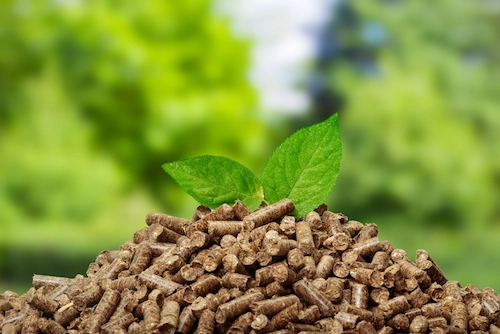
Bioenergy comes from organic materials (biomass), including plant waste, agricultural waste, wood, and livestock manure. These materials can be processed through direct burning, gasification, or fermentation to produce heat, electricity, and fuel.
Although it involves combustion, the greenhouse gas emissions produced tend to be lower than those from fuel combustion, such as oil and coal.
There are at least 10 sources of bioenergy in Indonesia with significant development potential, including sugarcane, rice husks, wood, rubber, and waste.
That concludes the information on examples of alternative energy and its potential applications in Indonesia. Overall, it can be seen that alternative energy is driven by the limitations of fossil fuels and the growing need for sustainable, environmentally friendly energy.
Therefore, alternative energy is increasingly being used due to its abundant availability and minimal environmental impact.
Switching to alternative energy is a real step toward preserving the Earth. If you want to show your contribution in other ways, Indonesia Asri is the right platform.
Indonesia Asri is an environmental awareness campaign initiated by the Chandra Asri Group. By joining Indonesia Asri, you can participate in various environmental conservation programs presented in an exciting format, including #AksiAsri.
So, register as a Warga Asri now to actively participate as an agent of Earth conservation!
Read also: Waste-to-Energy Power Plants: Mechanisms & Challenges