

Table of Contents
Non-renewable energy is a resource with a finite supply that cannot be replenished on a short timescale. To date, many countries, including Indonesia, still rely on non-renewable energy.
However, using non-renewable energy generates pollution, so it’s necessary to implement effective management, such as carbon capture and storage technology. Non-renewable energy is formed over very long periods through natural processes and is often referred to as fossil energy.
So, what are some examples of non-renewable energy used in daily life? Check out more in the following article.
Examples of Non-Renewable Energy
According to Goodstats, the share of renewable energy in Indonesia is still relatively low. In 2023, it accounted for only 13.21% of the country’s total energy, with growth trending at around 1% per year.
This figure remains below the government’s 17.9% target, so non-renewable energy continues to dominate. Here are some examples of non-renewable energy you should know:
Phosphate
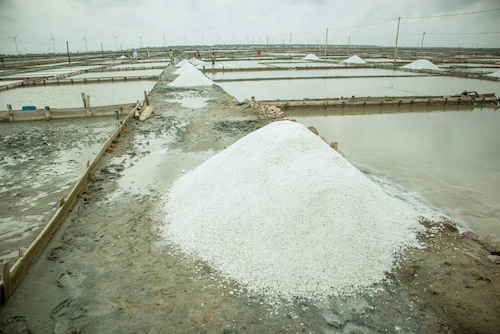
Phosphate deposits can be found in caves in various forms, from small grains to large chunks. This phosphate generally comes from guano or animal droppings, such as from bats, that have accumulated over a long period.
Its main content is calcium phosphate, which is found on cave floors, walls, and the surrounding ground surfaces.
Tin
Generally, tin is divided into two types. Primary tin is tin that remains at its original formation site, attached to granite rocks.
Secondary tin, on the other hand, is tin that has been detached from its original rock and moved elsewhere due to natural influences, such as rain and water flow.
Read also: Net Zero Emissions: The Concept and How to Achieve It
Coal

Coal is a non-renewable energy source because its formation process takes an extremely long time. It originates from ancient plants that were buried under soil and rock, then naturally transformed over millions of years.
Today, coal remains a significant energy source for electricity production, particularly as the primary fuel in steam power plants that generate electricity for various needs.
Peat
Peat is a non-renewable energy source derived from accumulated plant residues that decompose slowly due to bacterial activity. This material has high moisture content, so it must be dried before use as fuel.
When burned, peat produces low-calorific-value heat and ash that can be used as fertilizer or as a component in ceramics. In addition to being used as fuel, peat is used in industry, including as cement additives and chemical solvents.
Petroleum
Petroleum is classified as a non-renewable energy resource because its formation takes a very long time. It comes from the remains of marine organisms, such as small plants and animals, which were buried under the seabed and covered by layers of soil and rock.
Over millions of years, these organic remains were subjected to pressure and heat, eventually transforming into petroleum, making it a limited resource that cannot be readily replaced.
Metal Ore
Metal ore is an example of a non-renewable resource because its availability in nature is limited. Metals are stored within the Earth’s crust and form through natural processes that take a very long time.
Because they cannot be replenished quickly, metal ore supplies can decline if extracted continuously without control.
Earth Minerals
Earth minerals are also a non-renewable energy source because their formation process takes an extremely long time.
Minerals are solid, naturally occurring materials with a specific chemical composition. Since they cannot form again quickly, their quantities in nature are limited.
Natural Gas
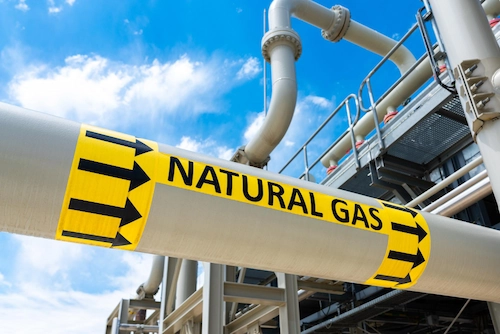
Natural gas is a non-renewable energy source because it takes a very long time to form. It is stored deep beneath Earth’s surface and formed by natural processes that take millions of years. Its limited supply means it cannot be quickly replaced once used.
Uranium
Uranium is a natural element that is scarce and non-renewable. It is stored in the Earth and used as a fuel in nuclear power plants.
To be usable, uranium must undergo specialized processing before it is ready for use in a reactor. However, its use carries risks because it produces radioactive substances that can be dangerous if not handled properly.
Read also: Desalination: Definitions, Benefits, and Processes
Benefits of Non-Renewable Energy
Although useful in daily life, non-renewable energy should be used wisely. Continuous use can deplete natural reserves and cause environmental impacts.
With controlled use, the following benefits of non-renewable energy can be experienced in everyday life:
Raw Materials for Construction
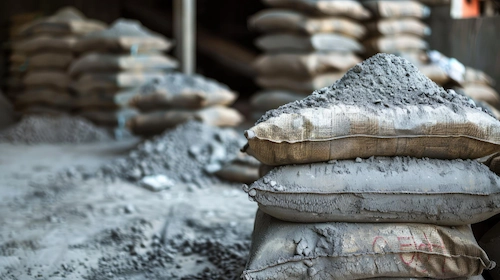
Coal-derived gas can be used in specific industrial processes, such as metal processing and cement production.
However, this usage should be limited because it relies on non-renewable energy sources, which can cause environmental damage if overused.
Raw Materials for Industry
Coal-derived gas can also be used in specific industrial processes, such as steel and aluminum production. It is also used in cement manufacturing. Meanwhile, petroleum can be processed into various industrial products.
Vehicle Fuel
Coal and petroleum can be processed into vehicle fuels. Today, gasoline and diesel remain widely used for daily mobility, though their use has environmental impacts because they are derived from non-renewable sources.
Key Component for Power Plants
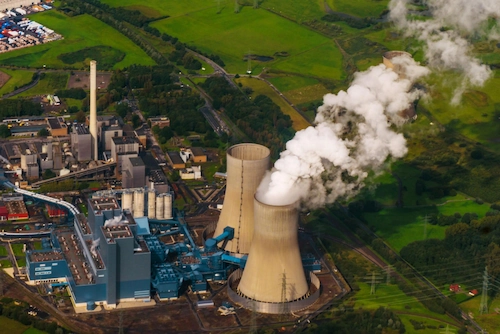
Coal plays a crucial role in electricity generation, particularly in coal-fired steam power plants (PLTU). The process begins by burning coal to generate heat. This heat is used to boil water, creating high-pressure steam.
The steam then drives turbines connected to a generator, converting thermal energy into electrical energy.
That concludes the explanation of some examples of non-renewable energy and their benefits. Since non-renewable energy still dominates today, it is important to use it consciously because its supply is limited and cannot be replenished quickly.
This situation highlights the need to shift perspectives on energy use to avoid over-reliance on a single source.
Community involvement is also crucial. Through Indonesia Asri, Chandra Asri Group’s environmental campaign, you can actively participate in various conservation programs, including #AksiAsri, which encourages more responsible use of natural resources.
At the same time, the promotion of renewable energy continues as an alternative to dependency on non-renewable sources.
For example, regarding solar energy, Chandra Asri Group supports the use of solar panels in Indonesia through its subsidiary, Krakatau Chandra Energi (KCE). KCE provides off-grid, on-grid, and hybrid solar panel installations according to needs.
Sign up to be Warga Asri today and become part of a collective movement to protect the Earth’s sustainability through concrete actions that can start with simple steps!
Read also: Biodegradable: Recognize the Definition, Types, and Benefits