

Table of Contents
A sanitary landfill is an integral part of modern waste management and environmental conservation efforts. Its presence helps reduce pollution and maintain soil and water quality around disposal sites.
Understanding the role of sanitary landfills can raise awareness of safe, environmentally friendly waste management practices. This step is a key implementation of sustainable living.
To learn what a sanitary landfill is, its benefits, how it works, as well as the advantages and disadvantages of sanitary landfills, check out the following article.
What Is a Sanitary Landfill?
A sanitary landfill is one way to dispose of waste safely, preventing environmental harm.
Several methods are used to ensure more effective waste management. One option is landfilling, which involves disposing of waste in low-lying areas or underground.
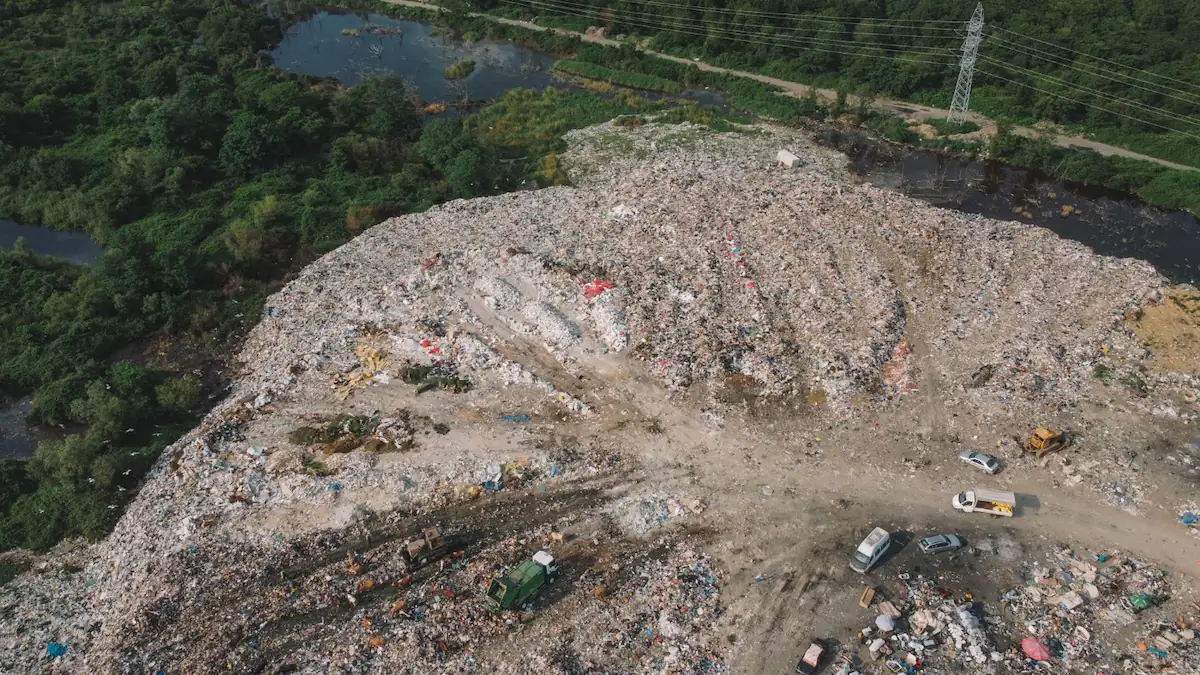
The difference between open dumping and sanitary landfill lies in their management and impacts. Open dumping disposes of waste without proper protection, resulting in odors, pest infestations, excessive leachate, and elevated pollution levels.
In contrast, a sanitary landfill is a modern, controlled method in which waste is compacted, buried, covered with soil, and lined with an impermeable membrane, making it safer for the environment but also incurring higher costs.
According to data from the National Waste Management Information System, in 2024, out of a total of 38.24 million tons of waste, 6.58 million tons were managed using sanitary landfills, while 9.72 million tons were still disposed of through open dumping.
Although safer and more environmentally friendly, sanitary landfills account for only about 51% of managed waste, underscoring the need to increase their use.
Objectives of Sanitary Landfills
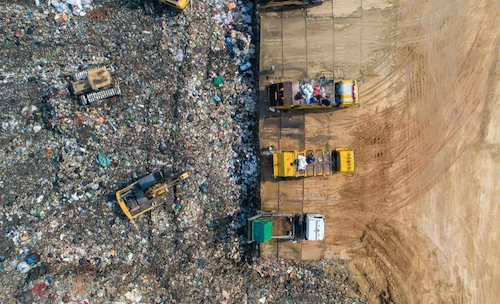
Sanitary landfills also provide various vital benefits for waste management and the environment. The following are some of the objectives of their implementation:
Gas Control
Sanitary landfills have systems to collect and manage gas released from decomposing waste. Gases such as methane from organic waste can be captured and used as an energy source.
In this way, harmful environmental gases can be converted into sound energy while also helping reduce air pollution.
Reducing Environmental Impact
The sanitary landfill method improves waste management and ensures environmental safety. Waste is buried with protective layers and specialized leachate treatment systems to prevent wastewater from seeping directly into the soil.
In addition to preventing soil and water pollution around the site, sanitary landfills also help maintain public health and long-term environmental sustainability.
Providing Limited Space
In densely populated urban areas, land for accommodating waste is often limited. In sanitary landfills, waste can be compacted and neatly covered, reducing the land required.
Sanitary landfills also help maintain environmental order and reduce the risk of waste spreading to surrounding areas.
Read also: Greenwashing: Definition, Impact, and How to Tackle It
Sanitary Landfill Concept
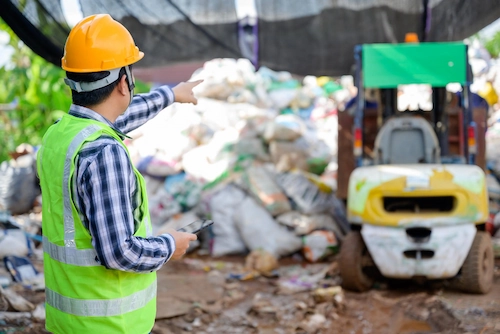
To gain a more complete understanding of sanitary landfills, it is also important to understand their basic concepts, from the methods used to their key components. More details are as follows:
Method
The sanitary landfill method begins by lining the base and walls of the disposal site with impermeable materials, such as clay soil, to prevent wastewater or leachate from seeping into the ground.
At the base of the landfill, channels are installed to distribute methane and collect leachate, preventing gas accumulation and wastewater from polluting the surrounding environment. After the waste is buried and compacted, the surface is again covered with an impermeable layer.
These steps not only help waste decompose more quickly but also reduce odors, prevent flies, and keep the surrounding area clean and safe.
The sanitary landfill method also shows how waste management can be conducted in a controlled and environmentally friendly manner.
Elements
Several elements of a sanitary landfill are designed to ensure safer, more effective waste management while protecting the surrounding environment. Some essential elements that must be present in a sanitary landfill include:
- Lining system: The base layer that comes into direct contact with the soil. Typically composed of a soil-bentonite mixture, this layer helps prevent waste from decomposing safely without seeping into the ground.
- Leachate collection system: Collects leachate to prevent accumulation or seepage into the soil. In this way, the surrounding environment remains safe from pollution.
- Cover or cap system: This cover layer helps reduce rainwater entering the waste pile, preventing leachate from pooling and keeping the waste management process under control.
- Ventilation system: The ventilation system is designed to ensure the waste decomposition process runs smoothly and that the methane gas produced can be released safely, reducing the risk of explosions or unpleasant odors.
- Monitoring system: This system monitors the landfill as a whole. If issues arise, such as leaks, they can be addressed immediately to protect the environment.
Read also: 4 Types of Industrial Waste and How to Manage Them
Advantages of Sanitary Landfills
Sanitary landfills also offer several key advantages for waste management and the environment. The following are some of their benefits:
Reducing Environmental Impact
With proper management, sanitary landfills can help reduce pollution and protect the environment. This method helps ensure that waste does not spread to surrounding areas and that negative impacts on soil, water, and air are minimized.
Potential for Energy Generation
Methane gas produced from waste decomposition can be captured and converted into energy. This energy is not only useful for electricity or heating needs, but can also become an additional source of income for landfill operators, meaning that waste, which is usually a problem, can instead provide economic benefits.
Cost Efficiency
Compared with other methods, sanitary landfill management is generally more cost-effective, especially over the long term. Management costs can be lower because the process is more organized, and the risk of environmental damage is also negligible.
Disadvantages of Sanitary Landfills
Despite their many benefits, sanitary landfills still face several drawbacks and challenges, including space constraints, long-term risks, and social impacts on surrounding communities. The following are the disadvantages of sanitary landfills:
Limited Space
Sanitary landfills require a relatively large area to accommodate waste safely. This can be a challenge in densely populated urban areas, where land is limited and prices are high, making it difficult to secure suitable sites for these disposal facilities.
Long-Term Risks
Although sanitary landfills are well-maintained, there remains a risk of long-term environmental impacts. If protective layers leak or management systems malfunction, waste and hazardous gases can seep into the surrounding soil and water. This has the potential to cause pollution and harm human health and the environment over the long term.
Social Issues
The presence of a sanitary landfill can disrupt the surrounding environment. The smell of the trash and potential land or water pollution may create an uncomfortable living condition, leading locals to worry about their health and cleanliness in the area.
That concludes the explanation about the concept, advantages, and disadvantages of sanitary landfills. Thus, sanitary landfills are a safer and more environmentally friendly waste management method, although they require higher costs and more advanced technology.
You can also play a direct role in environmental conservation by joining Indonesia Asri. Through the #AksiAsri program, you can participate in hands-on activities to improve waste management, including promoting environmentally friendly practices such as sanitary landfills.
By participating, every small step you take helps keep the Earth clean and sustainable. So, what are you waiting for? Register now and take real action to help protect the Earth!
Read also: Types of Waste Disposal Sites & What Makes Them Different