Mangrove forests are one of the coastal ecosystems that thrive in tropical and subtropical climates. It’s no surprise, then, that these plants are commonly found along coastlines, including in Indonesia, a tropical country surrounded by oceans. As a nation with vast seas, Indonesia is home to about 20% of the world’s total mangrove plants.
Physical Function of Mangrove Forests
Do you know the main function of mangrove plants for coastal ecosystems? Physically, mangrove plants serve as protectors that maintain the stability of coastlines, preventing erosion that could lead to rising sea levels. In addition to protecting the shoreline, mangrove forests can also filter seawater, turning it into fresh water on land.
Biological Function of Mangrove Forests
From a biological perspective, mangrove plants contribute to the ecosystem by producing decaying organic matter, which serves as food for plankton, a key part of the food chain. Mangrove forests also provide breeding grounds for aquatic animals such as fish, crabs, shrimp, and shellfish. Moreover, these forests offer shelter, nesting sites, and breeding areas for birds and other wildlife. The benefits of mangrove plants extend beyond the environment; they also have economic value.
Economic Function of Mangrove Forests
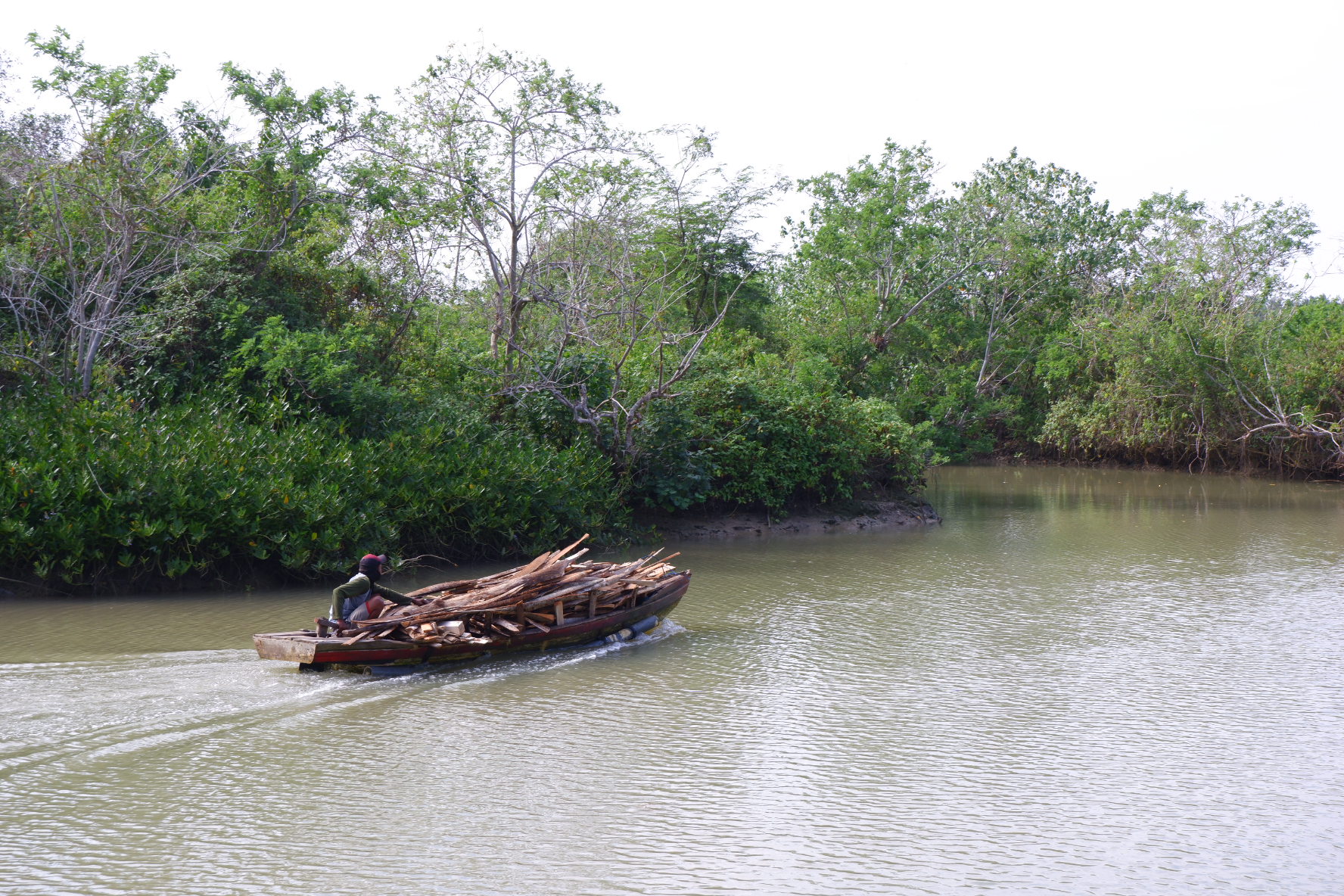
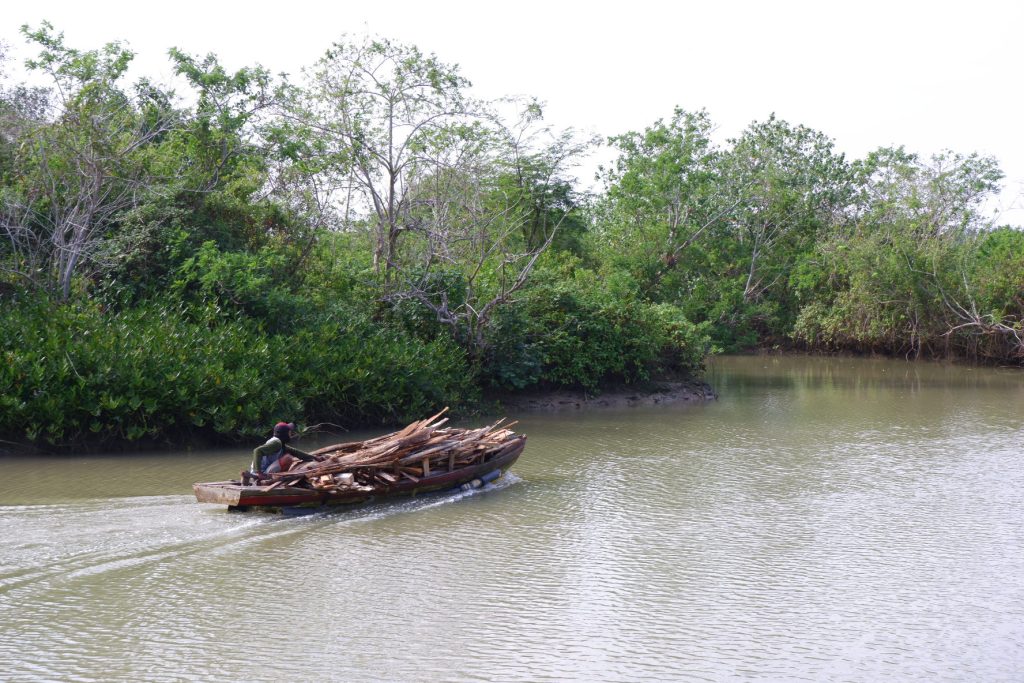
Mangrove wood can be used as fuel, charcoal, and building materials. Additionally, these plants are raw materials for industries such as paper, food, cosmetics, and more. The cool and serene mangrove ecosystem also makes it an ideal spot for tourism, research, and education. Despite the numerous benefits of mangrove plants, their ecosystems are currently under threat.
Threats to the Mangrove Ecosystem
One of the main causes is land conversion, which displaces mangrove ecosystems along the coast. If this continues, it’s not unlikely that one day, when the mangrove forests are completely depleted, the impact will be directly felt: the land area will decrease, and sea levels will rise.
Mangrove Conservation by Chandra Asri Group
The Chandra Asri Group, as a company committed to sustainability, supports the conservation of mangrove ecosystems. One of the company’s tangible actions in mangrove conservation is fostering the Edu-Ekowisata Mangrove or Lembur Mangrove Patikang in Citeureup Village, Pandeglang Regency, Banten. This initiative is also part of the company’s effort to reduce carbon emissions in the air, in line with its commitment to Environmental, Social, and Governance (ESG) principles.
Reference: