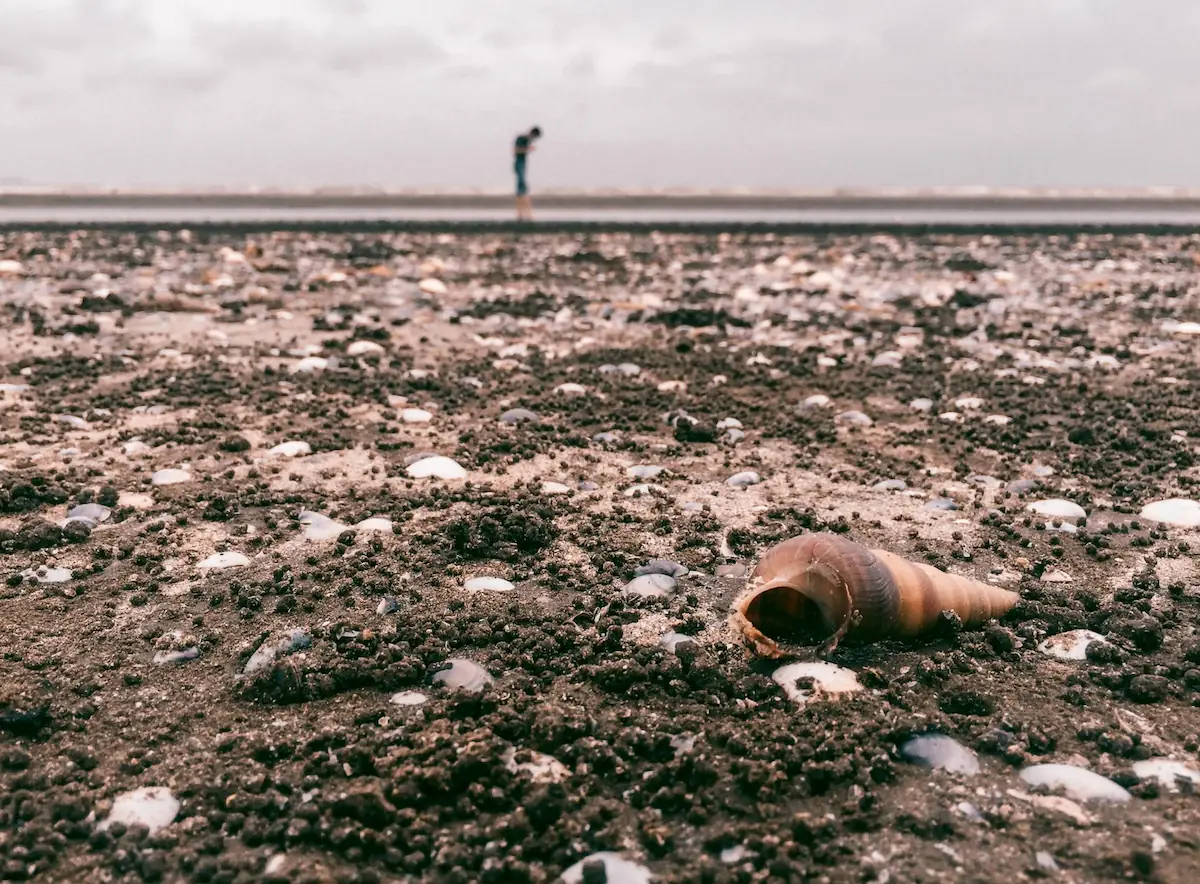
Without us realizing it, some of our daily activities can cause soil pollution. Among the causes are less eco-friendly agriculture, littering, mining, and illegal waste dumping. This pollution damages the soil, impacting the environment and human health.
Want to know more about the causes of soil pollution and how to tackle them? Let’s dig deeper into simple efforts you can make to maintain healthy and clean land here!
Causes of Soil Pollution
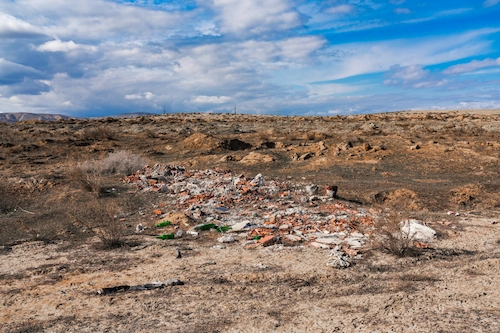
There are many factors causing soil pollution, ranging from municipal waste to industrial and agricultural activity. Here are some common causes of soil pollution:
1. Municipal Waste
Municipal waste comes from daily activities. Along with household waste, pollutants also come from shops and offices, food waste, and other materials. If they are not managed properly, all of them can pile up and damage the soil quality.
The impact is already evident in various regions. According to GoodStats, in 2024, approximately 131 coastal villages were affected by soil contamination, with about 61 of those cases stemming from household waste. This demonstrates that waste from everyday activities can also have a significant impact on environmental conditions.
2. Radioactive Pollutants
Radioactive substances are typically produced by human activities related to nuclear energy or the use of radioactive materials, including nuclear power plants, scientific research using radioactive isotopes, or the disposal of nuclear waste from certain industries.
These substances can contaminate surrounding plants, animals, and people if they are not properly managed and seep into the soil and water.
The Fukushima incident is one example of radioactive contamination that shows how natural disasters can worsen the spread of radioactivity from a nuclear reactor. The 2011 Tohoku earthquake and tsunami caused the nuclear accident at Fukushima Daiichi.
The massive tsunami damaged three reactors, leading to a nuclear meltdown. Subsequently, the water used to cool the debris became contaminated with radioactive nuclides.
It was estimated that 80% of this radioactive water settled in the Pacific Ocean and several rivers around the Fukushima Daiichi nuclear power plant. It is known that this leak was not acknowledged until 2013.
3. Agricultural Activity
Farmers and gardeners often use chemicals for plant growth and better crops, such as pesticides, chemical fertilizers, herbicides, chalk, and compost. Yet, if you overuse them, the substances can spoil the soil and endanger human health.
4. Biopolutant
Biopollutants come from living organisms, including human, bird, or other animal waste. Although some organic matter can be used as compost for plants, if it accumulates or is not managed properly, these materials can contaminate the soil.
5. Industrialization
Another major cause of soil pollution is industrial activities. More industries are being established to meet the population’s needs for food, housing, and other goods.
As a result, the amount of waste is also increasing. Even though industry helps the economy, improper waste disposal, the use of hazardous chemicals, and a lack of strict regulations lead to periodic soil contamination.
Read also: What Is Sanitary Landfill? Modern and Eco-Friendly Waste Management Explained
How to Reduce Soil Pollution
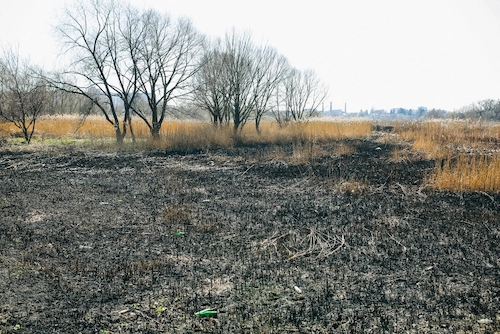
To maintain soil health, here are some strategies to reduce soil pollution:
1. Reforestation
Reforestation involves replanting trees in areas that have been deforested or damaged. This method is effective in reducing soil pollution because it makes the soil more fertile. In addition, the surrounding environment looks greener, and the air becomes cleaner and healthier for us to breathe.
Read also: 6 Ways to Mitigate Soil Pollution, Easy and Effective
2. Remediation
Remediation cleans up contaminated soil and restores its fertility, making it safe for being used. This approach is particularly important in areas affected by industrial waste, chemicals, or other pollutants that do not break down naturally.
There are two types of remediation: in situ and ex situ. In situ involves cleaning the soil directly at the site without moving it, such as by adding substances that can neutralize pollutants or using specific microorganisms to break down hazardous substances on-site.
Meanwhile, ex situ involves excavating the contaminated soil and transporting it to another location for specialized cleaning. This ensures the soil is no longer contaminated and poses no threat to the surrounding environment. It helps prevent pollution from spreading further and maintains good soil quality.
3. Bioremediation
Bioremediation is similar to remediation, aiming to clean the polluted soil. Yet, bioremediation uses microorganisms, like fungi or bacteria, during the process. The microorganisms break down the harmful substances in the soil, restoring its fertility and safety.
Those are the causes of soil pollution and how to reduce it. By learning the causes and ways to tackle it, we can be more responsible for the environment.
Through simple habits, such as reducing waste, planting trees, and cleaning up polluted soil, we help keep the soil fertile and the environment safe for all living creatures.
To expand this positive impact, you can join Indonesia Asri. This program encourages everyone to actively contribute to protecting the environment through various concrete actions.
One way you can get involved is by joining Jejak Asri, where you can share your experiences and the concrete actions you’ve taken for the environment.
Jejak Asri runs until October 16, 2026, so do not miss your chance to win prizes worth millions of rupiah. Sign up now and be part of the effort to create a cleaner, healthier Earth!
Read also: 10 Effective Efforts to Overcome Environmental Pollution