Air pollution has become a serious problem that is increasingly affecting our daily lives. Without realizing it, many of the activities we encounter every day contribute to declining air quality. The consequences are real, ranging from health issues to environmental damage.
So, what exactly are the causes of air pollution that you need to be aware of? By understanding the sources, you can become more conscious of the issue and start taking simple steps to reduce it. Let’s take a look at the full explanation below!
What Is Air Pollution?
Air pollution is a condition where the air is contaminated by harmful substances that can endanger human health, living organisms, and the environment. These air pollutants may take the form of gases, fine particles, or chemicals resulting from various human activities.
According to the World Health Organization (WHO), approximately 99% of the world’s population lives in areas where air quality does not meet recommended health standards. This means that nearly the entire global population is exposed to air that may negatively impact their health daily.
In Indonesia, the impact is also significant. Based on data from the Global Burden of Disease (GBD) study compiled by Our World in Data, the mortality rate due to air pollution in Indonesia remains notably high. Between 2021 and 2023, the number of deaths attributed to air pollution was recorded at approximately 82–90 deaths per 100,000 people.
At the national level, air pollution contributed to nearly 10% of total deaths in Indonesia in 2021. Even at the city level, such as in Jakarta, air pollution is estimated to cause more than 10,000 deaths per year, according to the National Library of Medicine Journal.
Causes of Air Pollution
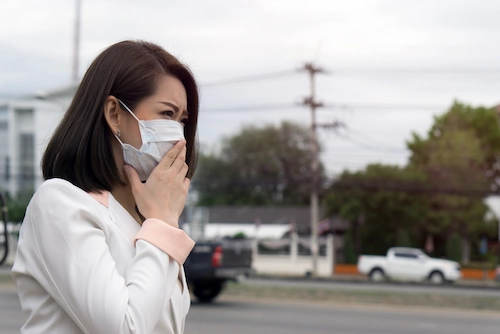
Air pollution does not happen suddenly, but is triggered by various daily activities. Here are some causes of air pollution you should know:
Motor Vehicle Emissions
Did you know that motor vehicle emissions are one of the most dominant sources of air pollution, especially in large cities with heavy traffic? Every day, cars, motorcycles, and trucks release harmful gases such as carbon monoxide (CO), nitrogen oxides (NOx), hydrocarbons (HC), and fine particles into the air we breathe.
Long-term exposure to these pollutants is a serious concern. These substances can enter the respiratory system and increase the risk of various serious illnesses, ranging from shortness of breath to heart disease.
Read also: Waste-to-Energy Power Plants: Mechanisms & Challenges
Industrial Activities
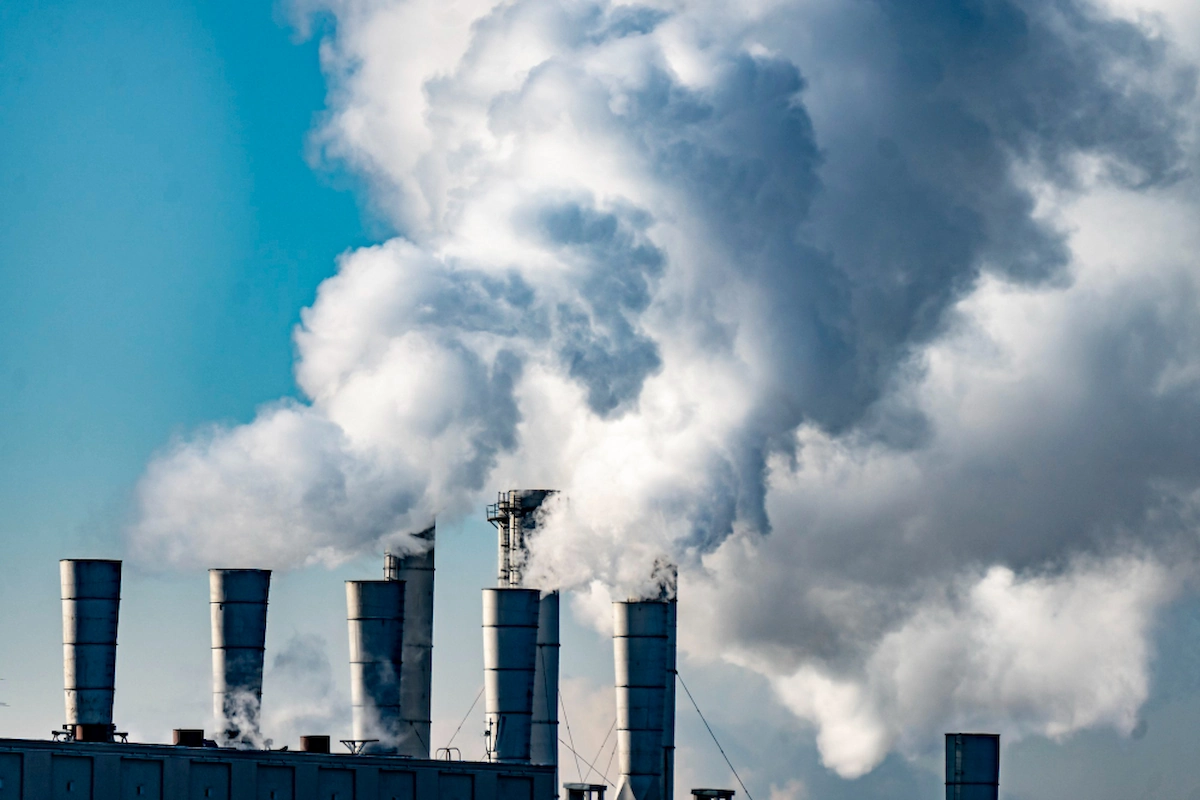
In addition to the transportation sector, another major cause of air pollution is the increasing emissions from industrial production processes.
Industrial activities release various hazardous substances, such as sulfur dioxide (SO₂) and carbon dioxide (CO₂), into the atmosphere. These emissions not only pollute the air but also contribute to global warming and health issues for living beings that breathe them in.
Waste Incineration
Waste incineration is often taken for granted. In reality, however, this practice is a major contributor to air pollution, which has a direct impact on health.
When waste is burned, it releases hazardous substances such as dioxins, carbon monoxide (CO), and fine particulate matter (PM2.5) that are easily inhaled. Exposure to these substances can trigger respiratory issues, irritation, and even increase the risk of serious illnesses if exposure is prolonged.
Forest and Land Fires
Did you know that forest fires not only produce smoke but also release various harmful pollutants? When forests burn, substances like nitrogen dioxide (NO₂), ozone, aromatic hydrocarbons, and lead can be released into the air and endanger our health.
The impacts do not stop there. Forest fires also contribute to climate change by increasing greenhouse gas emissions. As a result, weather patterns can shift, and dry seasons may arrive earlier and last longer.
Agricultural and Livestock Activities
Many people might assume that agricultural and livestock activities are always environmentally friendly. However, without realizing it, this sector can also contribute to air pollution.
The use of chemical fertilizers and pesticides, for example, can release ammonia into the atmosphere, affecting the surrounding air quality. Not only that, but livestock waste produces methane gas (CH₄), a greenhouse gas that plays a role in global warming.
Fossil Fuel-Fired Power Plants
Most of the electricity used in daily life still comes from the combustion of fossil fuels such as petroleum and coal. In the process, this combustion generates energy while releasing various harmful pollutants into the air.
This combustion produces emissions such as nitrogen oxides (NOx), carbon dioxide (CO₂), fine particulate matter (PM), and sulfur dioxide (SO₂), which can pollute the air. Long-term exposure to these pollutants poses a risk of triggering respiratory health problems.
Read also: Causes of Greenhouse Gases and How to Prevent Them!
How to Reduce Exposure to Air Pollution
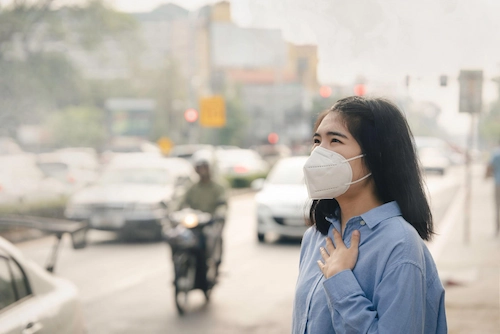
As discussed earlier, exposure to air pollution can have serious health consequences. Therefore, you need to take simple steps to protect yourself from polluted air. Here are some simple things you can do:
- Monitor air quality regularly.
- Wear an N95/KN95 mask when outdoors.
- Use an air purifier to filter indoor air.
- Limit outdoor activities when the air quality is poor.
- Ensure your home is well-ventilated to maintain healthy air circulation.
- Avoid burning trash.
- Limit the use of air fresheners.
That is the whole explanation of the causes of air pollution, ranging from various contributing factors to its impacts on health and the environment. By understanding this, you can be more mindful in reducing sources of pollution and help keep the air clean.
The small steps you take every day also play a major role in reducing the impact of air pollution. From choosing more eco-friendly transportation and reducing waste burning to supporting the use of clean energy, all of these actions can make a real difference if done consistently.
If you want to get more involved in taking concrete action to protect the environment, you can join the environmental movement with Indonesia Asri.
You can share your experiences and showcase the contributions you have made toward adopting an eco-friendly lifestyle through the Jejak Asri campaign.
Every story you submit has the chance to win prizes worth up to millions of rupiah if selected. So, let’s register now and share your inspiring story before October 16, 2026!
Read also: Simple Ways to Improve Air Quality