

Table of Contents
It is no longer a secret that improper waste management, especially solid waste, is a significant cause of environmental pollution and flooding. Given its high volume, solid waste requires special handling to prevent negative impacts from spreading.
Has Warga Asri understood the examples of solid waste and its environmental impacts? Let’s review the article on the definition, examples, impacts, and effective ways to manage solid waste here!
What Is Solid Waste?
Solid waste is residual material from human activities and natural processes that exists in solid or semi-solid form. This residual material may come from residential areas, schools, offices, agriculture, industry, or similar facilities.
In addition to its solid form, there are several characteristics of solid waste that Warga Asri should be aware of. However, we need to divide it by waste type in advance.
Based on their characteristics, solid waste is classified as organic or inorganic. The following are some characteristics of organic solid waste:
- Comes from living organisms.
- Does not easily change shape.
- Can be decomposed by microorganisms.
- Relatively harmless.
Meanwhile, inorganic solid waste has the following characteristics:
- Originates from human industrial activities.
- Difficult, if not impossible, to decompose by microorganisms.
- May contain toxins or other hazardous substances.
Read also: What Is Electronic Waste and What Are the Impacts on Nature?
Examples of Solid Waste

After understanding what solid waste is in general, it’s time to check the examples based on the classification above. Here are some forms of organic solid waste:
- Food scraps.
- Vegetables.
- Fruit peels.
- Tea and coffee grounds.
- Eggshells.
- Animal bones.
- Dry leaves and twigs.
- Human and animal waste.
- Agricultural waste.
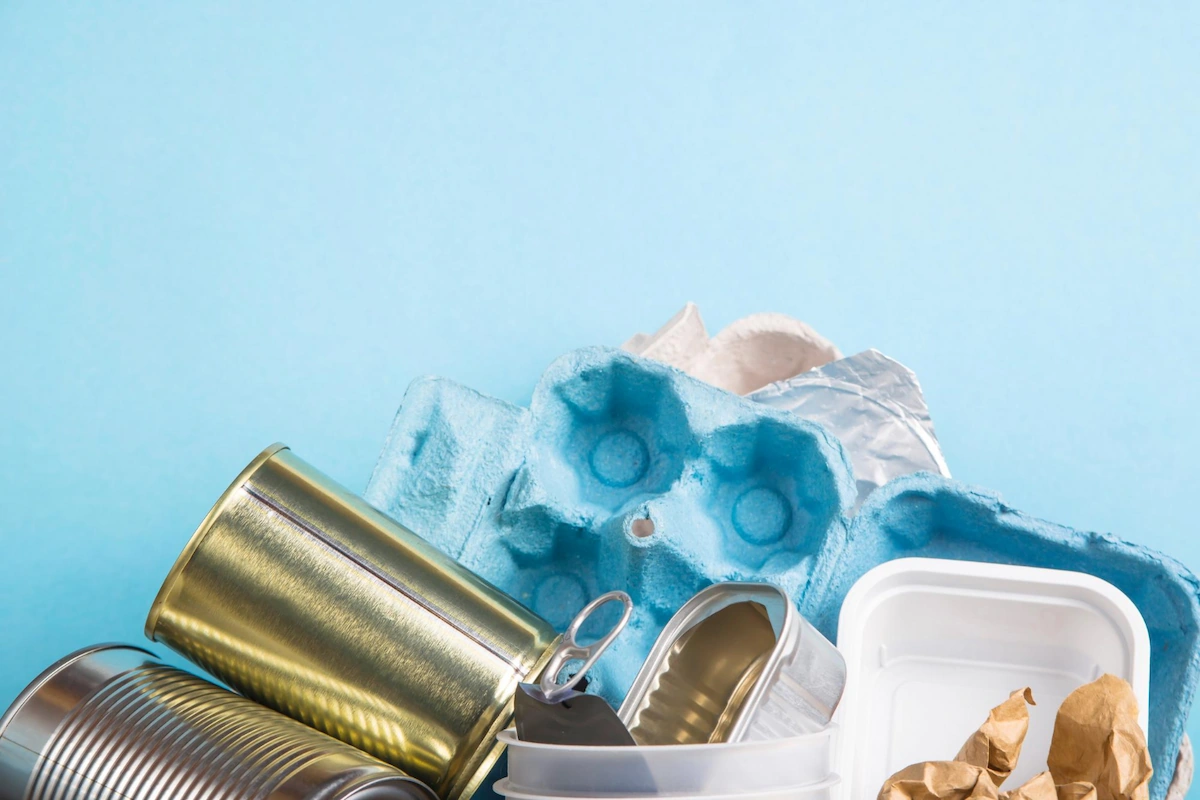
Examples of inorganic solid waste include:
- Glass.
- Metal.
- Wood.
- Paper.
- Cans.
- Batteries.
- Broken toys.
- Asbestos.
- Car batteries.
- Ceramic fragments.
- PVC pipes.
Impacts of Solid Waste
Solid waste that is not managed correctly can trigger various serious problems, such as:
Declining Water Quality
It is not uncommon for solid waste to be disposed of directly into bodies of water or carried along in wastewater flows. When solid waste enters drainage systems, rivers, or lakes, the water becomes contaminated with chemical substances, causing changes in color, taste, and odor. This condition is a clear signal of declining water quality.
An article in the Journal of Development Economics reports that changes in population growth negatively affect the water quality index. In fact, this effect is significant and widespread at both the regional and national levels.
The Emergence of Toxic Gases
Organic solid waste buried in the ground will decompose. This process occurs when soil microorganisms break down organic matter into other compounds, which then produce various gases.
These gases include toxic hydrogen sulfide (H₂S), ammonia (NH₃), which can irritate the respiratory tract; methane (CH₄), which is highly flammable; and carbon dioxide (CO₂), which can worsen the greenhouse effect.
Damage to Soil Structure
If inorganic solid waste is left scattered on the soil surface, its chemical substances can be carried by water flow and seep into the soil structure. As a result, pollutants accumulate, damaging the soil’s natural structure and disrupting its ecological functions.
This can lead to negative impacts, including disruption of soil microorganisms and a decline in soil fertility.
Read also: 6 Ways to Mitigate Soil Pollution, Easy and Effective
Increased the Risk of Disease
Health impacts are closely linked to soil damage, as explained previously, because soil is the habitat for plants consumed by humans.
If contaminated plants are consumed, the risk of serious diseases such as nerve damage, developmental disorders, and even cancer can increase.
Declining the Quality of Life
Ultimately, improperly managed solid waste can have multidimensional impacts on health, economic conditions, and social well-being.
Decomposing waste produces foul odors that reduce comfort and can cause respiratory problems. Contaminated water can minimize access to clean water, disrupting daily activities.
If parks, beaches, or other open spaces become polluted, people will find it difficult to access comfortable places for recreation or social interaction. All of these factors contribute to a decline in overall quality of life.
How to Manage Solid Waste
There are several solid-waste management approaches you can use to address the impacts above. Some of them include:
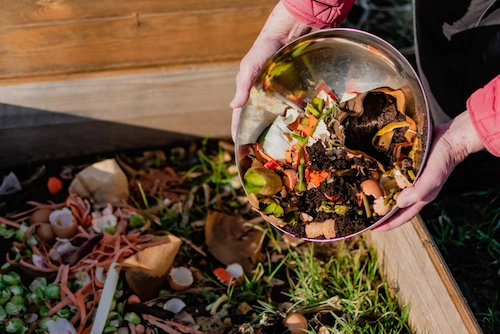
Composting
Composting is a natural process of recycling organic materials into fertilizer. Commonly composted organic materials include rotten fruit, fresh vegetable scraps, and dry leaves.
This process involves various organisms, including fungi, bacteria, actinomycetes, and earthworms. Composting begins with separating organic waste from inorganic waste, followed by chopping, mixing, decomposition, and harvesting.
As the name suggests, the final product of this process is compost fertilizer, which can enrich soil and plants.
Implementing Sanitary Landfills
A sanitary landfill is a method of disposing of solid waste in the ground using specific technical systems to prevent environmental pollution. In the process, a clay layer is required as a water barrier to prevent leachate from seeping directly into the soil.
This method is primarily intended to reduce the risk of soil contamination. In addition, sanitary landfills are considered beneficial because they can prevent methane gas explosions and also produce gas that can be used as fuel to drive turbines.
Processing Plastic into Plastic Asphalt and Pyrolysis Oil
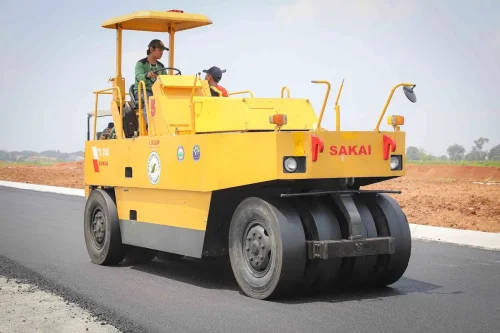
Plastic asphalt is an asphalt mixture that contains shredded plastic. This mixing method can also increase resistance to deformation and cracking. Road stability can increase by up to 40%.
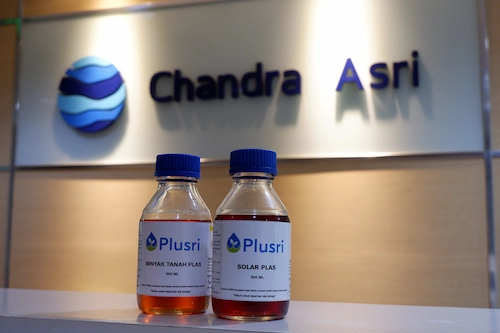
Meanwhile, pyrolysis oil is produced by breaking down waste into an environmentally friendly fuel. It can take the form of gas, liquid, or solid residue. The process requires high temperatures and a limited-oxygen or oxygen-free environment.
Speaking of plastic asphalt and pyrolysis oil, Chandra Asri Group has successfully produced both. In fact, Chandra Asri’s plastic asphalt has been used on more than 120 km of roads across Indonesia.
Another initiative from Chandra Asri is PLUSRI pyrolysis oil. This oil is a renewable fuel produced through plastic pyrolysis and is used by various local industry players.
One MSME that has already utilized PLUSRI is Batik Krakatoa Cilegon. This batik MSME uses PLUSRI as fuel to heat wax and dye its batik products.
After learning about different types of solid waste and how to manage them, take an active role in waste management efforts to help reduce their negative impacts.
Beyond the three methods above, you can also demonstrate your commitment to the environment by joining Indonesia Asri. The community offers a variety of environmental conservation programs in fun and engaging formats, including #AksiAsri.
Ready to make a difference for the future of our beloved Earth? Sign up and become Warga Asri today!
Read also: Benefits of Eco-Enzymes and How to Make Them Easily at Home