
Organic waste from leftover food and leaves can actually be turned into something useful. One of them is by turning it into compost, a natural fertilizer made from organic waste. This fertilizer can be used to enrich the soil and support plant growth in your garden.
The best part is, you can easily make organic waste compost at home using simple materials and steps that are easy to follow. Now, before you get started, let’s take a closer look at what compost is, its benefits, and how to make it in the article below.
What Is Compost?
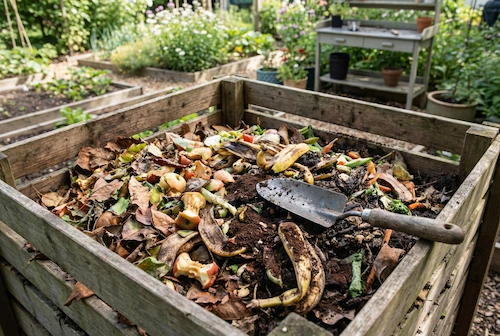
Compost is the result of decomposing organic materials that can be used to help improve soil quality and fertility. The organic materials used to make compost can come from food scraps, dry leaves, grass, or other garden waste.
During the composting process, microorganisms break down organic materials and turn them into nutrient-rich matter. The process duration varies, usually around 2 weeks to 6 months, depending on the method, the amount and type of organic materials, and the surrounding environmental conditions.
Once fully decomposed, it usually has a darker color, crumbly texture, and an aroma similar to fresh soil. These characteristics can help you tell when the compost is ready to use.
Making organic waste compost is also a simple way to manage organic waste while giving it new benefits. With the right process, you can use it to support plant growth while also managing household waste.
Benefits of Compost
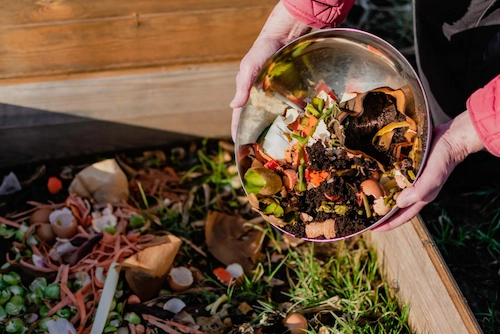
Compost has many benefits for both plants and soil. Here are some compost benefits you should know:
- Improves soil fertility: Compost contains essential nutrients that plants need to support their growth, including nitrogen, phosphorus, and potassium. These nutrients help nourish plants while creating healthier conditions for root development.
- Improves soil structure: Adding compost can make the soil looser and have a better structure. This allows roots to grow more easily while creating better spaces for air and water to move through the soil.
- Helps retain soil moisture: Compost can hold water and help keep the soil moist for longer. This prevents water from draining away too quickly, so plants can get the water they need to support their growth.
- Helps protect plants from pests and weeds: Using compost can support the balance of the soil ecosystem and help plants grow healthier, making them stronger and better able to withstand common problems caused by pests (organisms or animals that damage plants or crops) and weeds (plants that harm other plants).
Worth Reading: Organic and Inorganic Waste: 6 Differences You Can’t Miss!
Tools and Materials for Making Compost
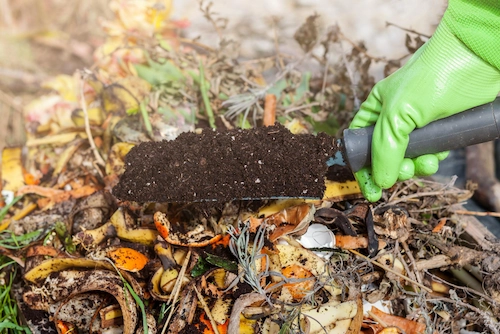
Before you start making organic waste compost, make sure you have prepared the following tools and materials to make the process easier:
Tools:
- A composter container or bucket that has air circulation holes.
- Gloves to keep your hands clean during the process.
- A small shovel to mix and stir the compost materials.
- A knife or cutting tool to chop up the organic materials.
Materials:
- Leftover vegetables and fruits that are no longer used.
- Dry leaves or grass.
- Soil, as one of the decomposition media.
- Water as needed to maintain moisture.
- Brown materials, like dry leaves or small twig pieces, are used as a carbon source.
- Compost activator if needed, to help the decomposition process.
How to Make Organic Waste Compost
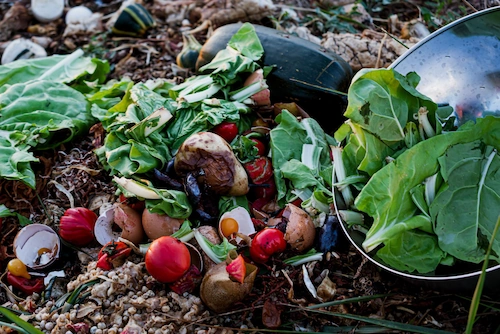
Making organic waste compost at home is actually quite simple, as long as you have the right materials and follow the process properly. Here are the steps you can follow:
1. Separate Organic Waste
Separate compostable organic materials, such as vegetable scraps, fruit scraps, dry leaves, and other plant materials. Avoid materials that take a long time to decompose, like fish bones or eggshells, to help the composting process run more efficiently.
2. Chop Materials into Smaller Pieces
Once you have sorted the materials, cut or chop them into smaller pieces. By doing this, you can increase their surface area, making it easier for microorganisms to break them down and helping speed up the composting process.
3. Prepare a Compost Bin
Next, get a bucket or compost bin with holes for proper airflow and drainage. Then, place the bin in a shaded area protected from direct rain so that the compost inside stays in good condition.
4. Add Materials in Layers
Once the organic materials are chopped, put them into the compost bin in layers to create a balanced mix. You can start making layers with moist materials, like vegetable scraps and fruit peels, then add dry materials like dry leaves or grass.
Try to keep each layer relatively thin to allow enough air to circulate through the mixture. After that, continue alternating between wet and dry materials until everything has been added to the compost bin.
5. Keep It Moist
It is also important to keep the compost moist without making it too wet or waterlogged. If the mixture looks dry, add a little water. On the other hand, if it becomes too wet, add more dry materials and mix everything thoroughly.
Related Posts: 8 Ways of Organic Waste Management, Easy and Eco-Friendly!
6. Add Soil or Activator if Needed
You can also add a small amount of soil to help provide decomposing microorganisms. A compost activator can also be added according to the product instructions to help speed up decomposition.
7. Stir the Compost Regularly
Stir the mixture regularly to add oxygen and even out moisture so that the decomposition process goes more efficiently.
8. Let the Decomposition Process Happen
Once all the materials are mixed, let the microorganisms naturally break it down in the compost bin. The time needed for the compost to be ready usually ranges from 2 weeks to 6 months, depending on the conditions and composting method.
9. Make Sure the Compost Is Ripe
Mature compost is typically dark brown or nearly black, has a crumbly texture, a stable temperature, and smells like soil. If the original materials are hard to recognize and the compost has these characteristics, it is likely ready to use.
Signs of Mature Compost
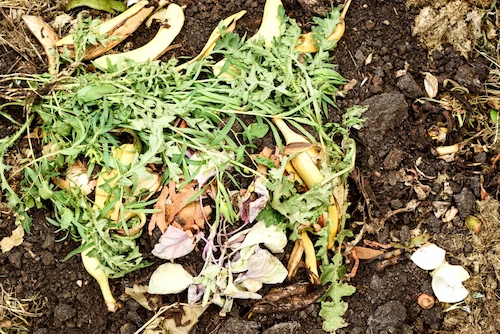
Mature compost has several characteristics you can look out for before using it for your plants. Here are the signs:
- Dark brown or black in color, resembling soil.
- Crumbly texture so that the original ingredients are no longer easily recognizable.
- Smells like soil, not the strong odor of decomposing organic material.
- Has a stable temperature, not feeling hot during the decomposition process.
- Does not release excess liquid because the moisture level is more balanced.
- Organic materials have broken down, so the original forms like leaves or food scraps are hard to identify.
Let’s Share Your Sustainable Lifestyle Through Jejak Asri!
Turning organic waste into compost is one simple step toward living a more sustainable lifestyle. You can also continue this good habit by choosing more eco-friendly options in your daily life, including using vehicles that are more environmentally friendly.
Want to inspire others to do the same? Share your story through Indonesia Asri’s Jejak Asri campaign. Through Jejak Asri, you can share the small but meaningful actions you’ve taken to care for the environment and inspire others to help create a greener Indonesia.
Submit your story by October 16, 2026, in a long-form format of at least 700 words. Tell your story in your own style, and feel free to make it more engaging with photos or videos.
Your story will be evaluated by a panel of judges and through votes from visitors to the Indonesia Asri website. Selected participants will have a chance to win prizes worth millions of rupiah and have their stories featured on the Indonesia Asri website, subject to the applicable terms and conditions.
So, what are you waiting for? Share your good deeds now and let your story inspire other Warga Asri to take action for a greener future!
Explore More: What Is Organic Waste? Find Out the Types and Benefits!