Key Takeaways
- Flooding occurs when the volume of water exceeds the capacity of the soil, rivers, and drainage systems to absorb or carry away the water.
- The causes of flooding can be related to rainfall, regional topography, land-use changes, river conditions, and suboptimal drainage systems.
- Climate change can increase the risk of flooding, while its impacts can disrupt the environment and community activities and cause economic losses.
Heavy rain falls for quite some time, and then puddles begin to form in several spots. This situation isn’t solely influenced by the amount of rainfall. There are various interrelated factors that contribute to flooding in a given area.
From environmental conditions to human activities, everything can affect how water flows and is contained. So, to better understand the causes of flooding, check out the full explanation below!
Causes of Flooding
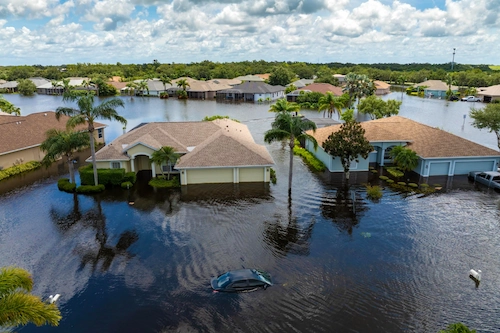
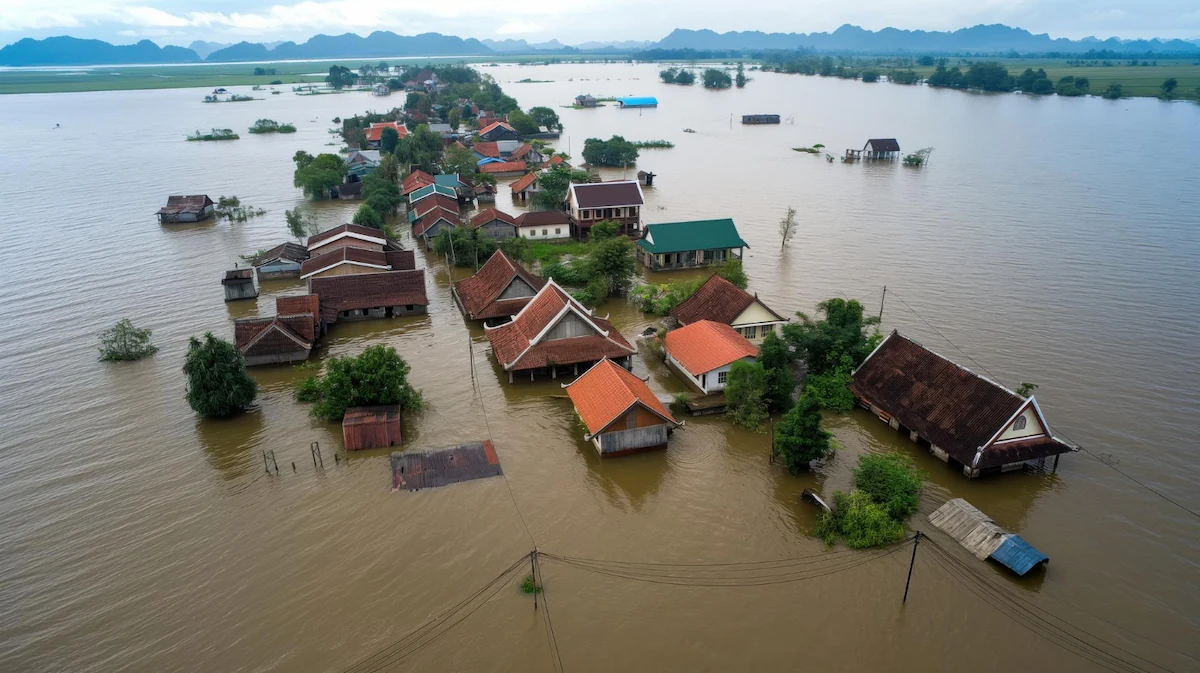
Flooding can occur when the volume of incoming water exceeds the capacity of the soil, rivers, or drainage systems to contain it. These conditions are influenced by various factors, ranging from rainfall to changes in environmental conditions.
Each region may have different triggers for flooding, such as natural conditions and human activities in the surrounding area. Here are some causes of floodsing that you should be aware of:
Heavy Rainfall
Heavy rainfall is one of the causes of flash floods because the volume of water entering an area increases rapidly within a short period of time. When the amount of water exceeds the capacity of the soil, rivers, and drainage channels to absorb it, standing water can form.
This situation is more likely to occur when rain falls continuously for several hours or even days. Soil that is already saturated with water cannot absorb additional water effectively, causing more water to flow over the surface.
Deforestation
Deforestation can be a cause of flooding when vegetation cover is significantly reduced. Trees and plants help slow the flow of rainwater and promote water absorption into the soil.
Plant roots also help maintain the soil’s structure so it can continue to absorb and store water. When vegetation is reduced, rainwater can flow more quickly over the surface and carry soil particles to lower-lying areas.
These conditions can increase surface runoff into rivers and waterways. In the long term, soil will be deposited under the banks and reduce the room for water flow.
More to explore: 7 Examples of Water Pollution & Its Environmental Impact
Topography of Lower-Lying Areas
Areas that are lower than their surroundings tend to become collection points for water flow. During heavy rain, water from higher-elevation areas can flow into these areas and cause puddles to form more easily. Topographic conditions are indeed one of the main factors that put an area at risk of flooding.
Land-Use Change
Land-use change can reduce the area that previously served as a water infiltration zone. When open land or green spaces are converted into residential areas and built-up areas, more rainwater flows over the surface, increasing the potential for puddles and flooding.
Settlements Along Riverbanks
Settlements located too close to rivers face a higher risk when water levels rise. The river’s flow channel may also become more restricted, making it easier for water to overflow into surrounding areas.
River Siltation and Narrowing
Sediment buildup on the riverbed can reduce the river’s capacity to hold and carry water. A narrowing river also restricts flow, increasing the risk of overflow when water levels rise.
Inadequate Drainage Systems
Drainage systems are designed to channel water from the surface into drains or bodies of water. If their capacity is limited or the drains are not functioning optimally, rainwater can become trapped and form puddles on the roads and in residential areas.
What’s the Correlation Between Flood and Climate Change?
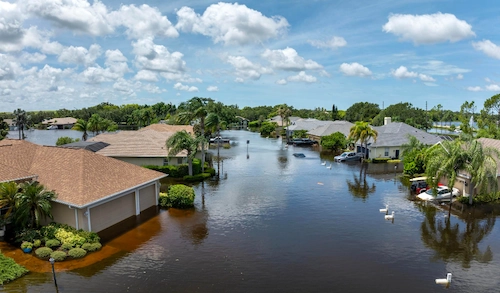
Climate change can increase the risk of flooding by altering rainfall patterns and intensity. Warmer temperatures allow the atmosphere to hold more water vapor, which can lead to heavier extreme rainfall and increase the potential for flooding.
However, climate change is not the only cause of flooding. Land conditions, drainage systems, river characteristics, and land-use planning also determine the extent to which rainfall contributes to flood risk.
Related article: Environmental Problems: Causes, Impacts, and Solutions
The Impact of Floods on Community Life
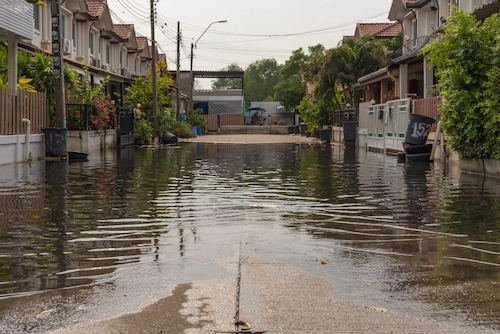
Floods not only cause waterlogging but can also disrupt various aspects of community life. Some of these impacts include:
- Damage to homes and public facilities, such as housing, roads, bridges, and educational and health facilities.
- Disruption of community activities, including mobility, learning, work, and economic activities, which can lead to material losses.
- Health risks, such as an increased risk of certain diseases.
- Environmental damage, such as water pollution, soil erosion, and ecosystem damage, which also affect the aesthetics of the environment.
Take Your First Step in Protecting the Environment through #AksiAsri!
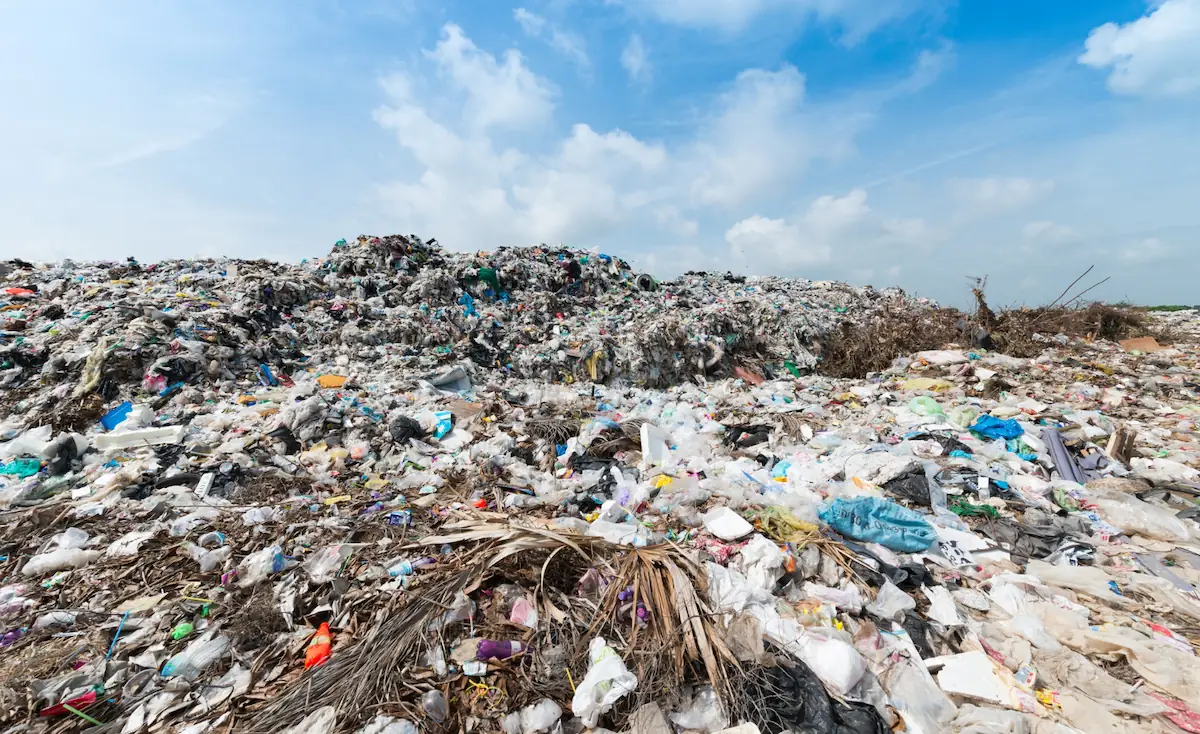
Flooding is not only caused by rain but also by environmental conditions and how we care for our shared living spaces. The practice of littering can also cause flooding by blocking waterways. That’s why it’s important to sort waste by type and dispose of it properly or repurpose it to prevent it from becoming a pile of trash.
Ready to contribute? Don’t hesitate to join Indonesia Asri and take part in the #AksiAsri programs.
You can join Jejak Asri, participate in Operasi Semut activities, or join other programs available through #AksiAsri. Every small step you take alongside other Warga Asri can be part of the movement to protect our planet. Come on, sign up now and start doing good with Indonesia Asri!
Discover more: River Rehabilitation: Real Steps to Protect Water Ecosystems
Frequently Asked Questions (FAQ)
To better understand the causes of and ways to address flooding, check out the following frequently asked questions:
1. What Are the Human-Caused Factors Behind Flooding?
Excessive deforestation, development that reduces water absorption areas, suboptimal management of waterways, and the accumulation of trash in waterways.
2. What Are the Solutions to Flooding?
We can preserve water absorption areas, carry out reforestation, maintain waterways regularly, and make it a habit to sort and process trash properly to prevent flooding.
3. What Are the Worst Floods in Indonesia?
The 2007 Jakarta flood was one of the worst floods ever to occur in Indonesia. It was caused by rainfall reaching approximately 340 mm per day, combined with runoff from upstream areas and the limitations of the drainage system.