Recently, environmental problems remain common and are influenced by both human activities and natural factors. These conditions can lead to environmental damage, including pollution and a decline in the quality of the natural environment.
If not properly addressed, the impacts of environmental problems can continue to worsen. So, what steps are being taken to address them?
Read on for a discussion of environmental problems in Indonesia, along with possible solutions, in this article.
What Are Environmental Problems?
Environmental problems refer to a range of challenges occurring around the world, such as climate change, pollution, and excessive energy use. These problems stem from both natural factors and human activities.
All of these are interconnected and affect the overall state of the environment. Ecosystems actually possess a natural ability to recover from disturbances such as floods or wildfires. However, this capacity is limited and will continue to diminish as human activities that cause environmental damage become more frequent.
The impacts of environmental problems are evident not only in the damage to nature but also in human health and daily activities. A damaged environment can lower the quality of life.
This can be seen from several real-life examples throughout human history. Since the Industrial Revolution, the use of fossil fuels has increased, resulting in greenhouse gas emissions that have triggered global warming. Additionally, unwise land use, mining, and waste disposal have also worsened environmental conditions.
What Environmental Problems Are Currently Occurring?
Various environmental problems continue to occur frequently today and are interconnected. These conditions not only affect nature but also directly impact human life. Here are some environmental problems currently unfolding around us:
1. River Pollution
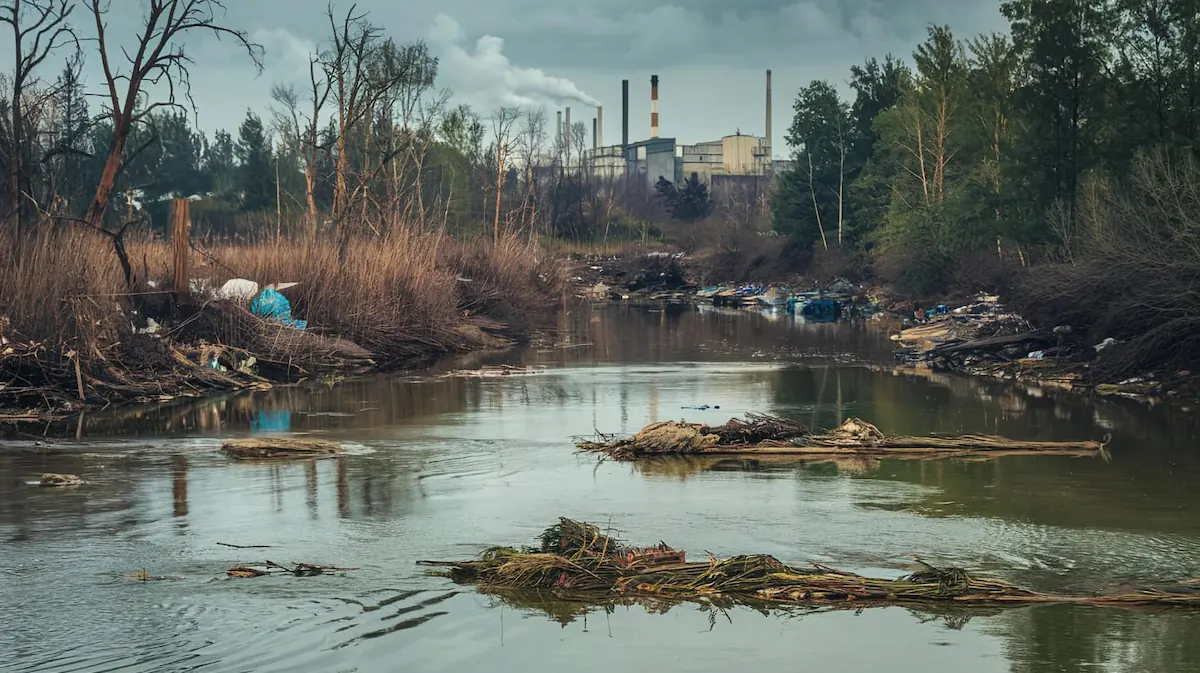
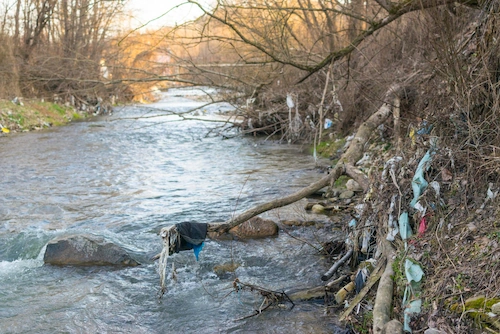
Many rivers in Indonesia are already polluted and no longer clean. The water becomes contaminated by untreated waste from factories, households, and agricultural activities that flow directly into rivers.
This disrupts the river’s ecosystem and degrades water quality. Consequently, river water can no longer be safely used for daily needs, even though rivers are vital as a water source and habitat for the living creatures within them.
2. Deforestation
Forests in Indonesia are suffering extensive damage due to illegal logging and burning to clear land. Furthermore, some forests are being converted into plantations, mining areas, and settlements.
If this situation continues, the consequences could be severe. Animals lose their habitats, the soil becomes drier, and the risk of floods and landslides increases.
3. Flooding
Flooding frequently occurs in many cities across Indonesia, especially during the rainy season. This is usually caused by waterways clogged with waste and the decreasing number of water absorption areas.
As a result, flooding disrupts daily life. Houses, roads, and public facilities can become submerged. Furthermore, the dirty water from flooding can lead to various diseases.
Read also: Knowing Environmentally-Friendly Lifestyles & Their Benefits
4. Air Pollution
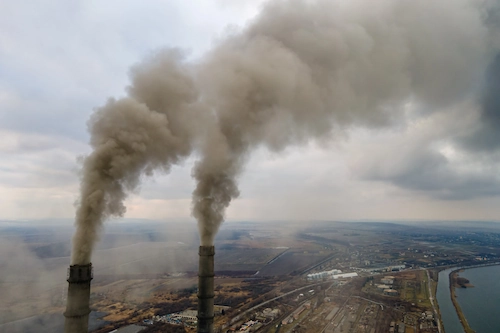
Clean air is becoming increasingly hard to find, especially in major cities. This is caused by vehicle exhaust, factory smoke, and the burning of trash, which continuously produce pollution. Additionally, the lack of green spaces prevents the dirty air from being properly filtered.
The impacts of air pollution are quite serious, ranging from respiratory issues to rising air temperatures to long-term environmental damage. Children and the elderly are the groups most vulnerable to these effects.
5. Soil Pollution
Healthy soil is essential for sustaining life. However, today, much of the soil is already contaminated by household and industrial waste, excessive use of fertilizers and pesticides, and environmentally harmful mining activities.
Contaminated soil becomes difficult to cultivate, groundwater quality degrades, and it can adversely affect human health. If left unchecked, this situation can also disrupt food security and the balance of nature in the long term.
6. Waste Accumulation
Waste remains one of the most common environmental challenges. High levels of consumption drive this, along with low public awareness and practice of waste sorting and waste management systems that are not yet fully optimized in some areas.
If not managed properly, waste accumulation can negatively impact environmental cleanliness and public health. Therefore, proper waste management is crucial for keeping the environment clean and comfortable.
7. Reliance on Fossil Fuels
Most of Indonesia’s energy still comes from fossil fuels such as gasoline, diesel, and coal. This reliance generates high carbon emissions, accelerates global warming, and leaves Indonesia vulnerable to fluctuations in global energy prices.
In fact, Indonesia has significant potential for renewable energy sources such as solar, wind, and hydropower. However, the utilization of these resources remains limited due to the need for substantial initial investment and insufficient policy support.
8. Ocean Health
The oceans face several serious threats. The oceans absorb large amounts of carbon dioxide from the atmosphere, but if the amount is excessive, seawater will become more acidic.
This condition can disrupt marine life and damage the balance of the ecosystem, ultimately impacting food availability.
The oceans are also polluted by industrial and human waste. Global warming is also causing polar ice to melt, leading to rising sea levels and potentially triggering flooding and coastal erosion.
9. Loss of Biodiversity
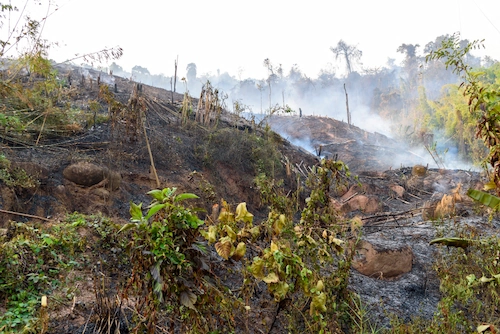
Biodiversity refers to the variety of living organisms on Earth, such as animals, plants, and microorganisms. This diversity is crucial for maintaining ecological balance across various regions, from rainforests to cold climates.
If biodiversity declines, some species may go extinct. This can also affect food and water availability, as well as nature’s ability to absorb carbon, which helps mitigate climate change.
Human activities, such as deforestation, agricultural expansion, land-use changes, and pollution, are largely driving the decline in biodiversity. The use of pesticides can also harm other non-target organisms.
10. Climate Change
Climate change refers to long-term shifts in temperature, precipitation, and weather patterns on Earth. These changes are largely driven by human activities, particularly the burning of fossil fuels, which produces greenhouse gases.
These gases trap heat in the atmosphere, causing Earth’s temperature to rise gradually. As a result, weather patterns become unstable, and the effects of these changes on the natural world are increasingly evident.
The impacts are evident in the melting of polar ice, rising sea levels, ecosystem disruption, and an increase in extreme weather events, including floods, droughts, heat waves, and wildfires.
Read also: Carbon Footprint: Definition, Causes, and How to Reduce It
Ways to Address Environmental Problems

The various environmental problems occurring today need to be addressed with appropriate measures and the involvement of many parties. Here are some ways to address environmental problems:
1. Research and Education
Research and development help us better understand the causes of environmental problems and ways to mitigate their impacts. For example, fields such as ecology and environmental science explain the effects of human activities on the Earth.
From this, new, more environmentally friendly technologies emerge, such as renewable energy and more energy-efficient systems to reduce carbon emissions.
Additionally, public education is crucial for raising awareness of the environmental impacts of certain habits, also encouraging more mindful and sustainable behaviors.
2. International Cooperation
International efforts are carried out through collaboration among nations to address environmental problems occurring worldwide. Since the impacts extend beyond a single country, collective solutions are needed to ensure more effective outcomes.
Many environmental, health, and safety organizations play a role in protecting the Earth from pollution and damage through research, environmental monitoring, and providing recommendations to reduce the impact of human activities.
Additionally, international agreements such as the Paris Agreement help countries collaborate to mitigate climate change and share knowledge and best practices for protecting the environment. Efforts to preserve the Earth are more focused and sustainable.
3. Corporate Responsibility
Addressing environmental problems also involves the companies’ role. Many companies have begun to fulfill their social responsibilities by paying closer attention to the environmental impacts of their business activities.
Steps that can be taken include reducing carbon emissions, conserving water and energy, and managing waste more effectively to prevent environmental contamination. These efforts help mitigate environmental damage caused by industrial activities.
Additionally, companies must transparently report their environmental impacts so the public can assess how eco-friendly their operations are. In this way, companies can act more responsibly while helping to preserve the environment.
4. Economic Incentives
Governments can help address environmental problems by providing economic incentives, such as tax breaks and subsidies. The goal is to encourage both the public and companies to engage in eco-friendly activities.
For example, carbon taxes are implemented to reduce pollution-generating activities. Additionally, subsidies are provided to make environmentally friendly technologies, such as electric cars or solar panels, more affordable.
The government is also investing in more environmentally friendly infrastructure, such as public transportation and energy-efficient buildings. This approach not only helps reduce environmental impact but also provides long-term benefits for society and the economy.
5. Individual Actions
Some people are beginning to adopt a more environmentally conscious lifestyle to reduce environmental damage. This can be achieved through simple actions in daily life.
Examples include conserving electricity, sorting and managing waste, using eco-friendly products, and reducing water usage. These small habits, if practiced consistently, can help protect the environment.
Additionally, the public can help raise awareness about the importance of environmental protection and support more sustainable policies and businesses. In this way, the public’s role in protecting the Earth becomes even more significant.
That concludes the information on environmental problems, from their definition to their solutions. Various environmental problems can arise due to human activities or natural factors. Therefore, collective awareness is needed to maintain the health of the environment.
In addition to individual efforts, environmental awareness can also be demonstrated by participating in various positive community activities.
As more people become aware of the need to protect the environment, it will be easier to create a cleaner, more comfortable world.
If you want to participate in environmental initiatives, you can join Indonesia Asri through various programs that encourage the public to adopt eco-friendly habits in their daily lives.
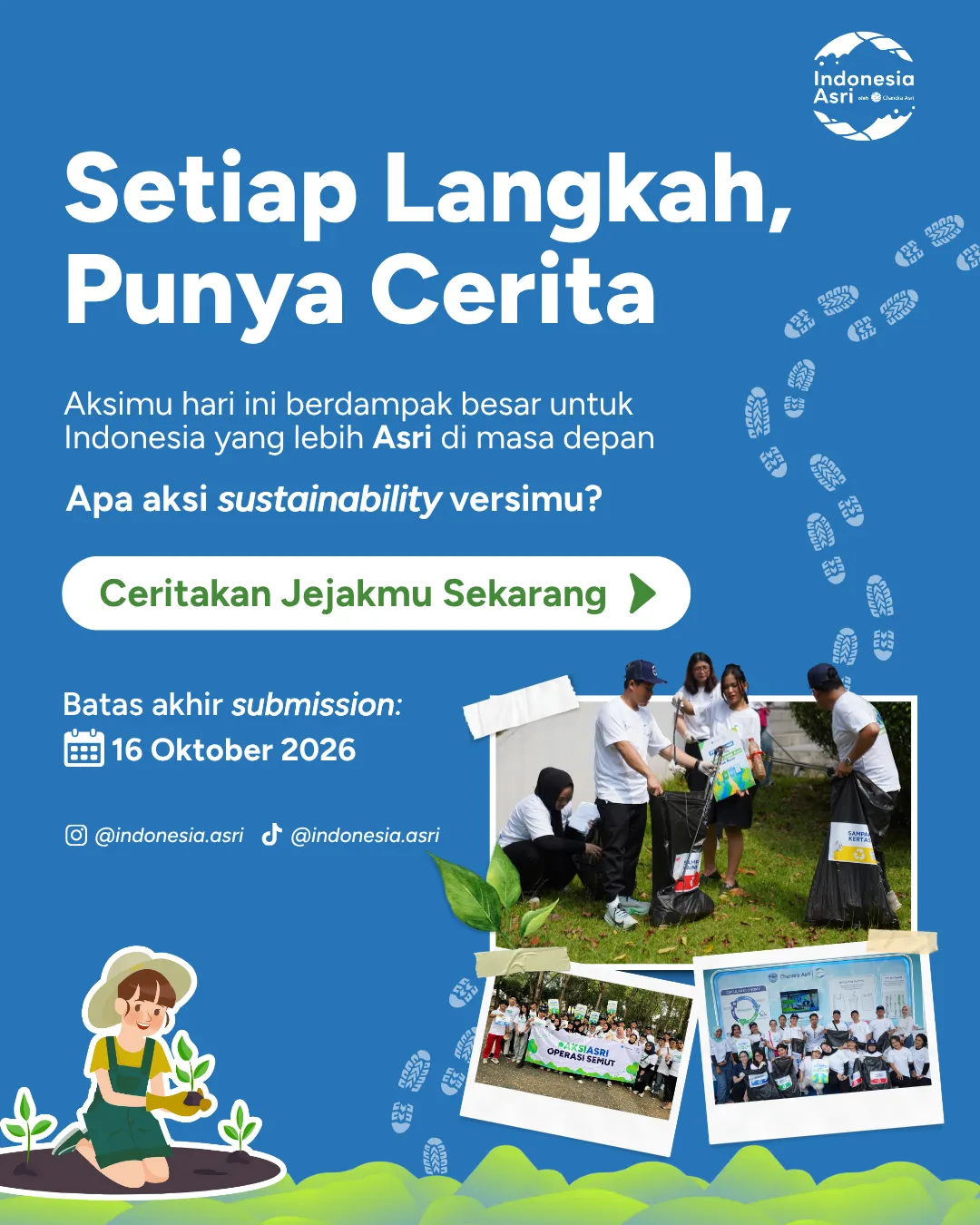
You can also share your experiences or inspiring stories about environmental conservation efforts through the Jejak Asri campaign. Through this campaign, the public can showcase the simple contributions they have made to keep the environment clean and comfortable.
If your story is selected, you will receive a prize of up to millions of rupiah. So, register now and share your inspiring story before October 16, 2026.
Read also: What Is Zero Waste? Learn the Benefits and How to Apply It