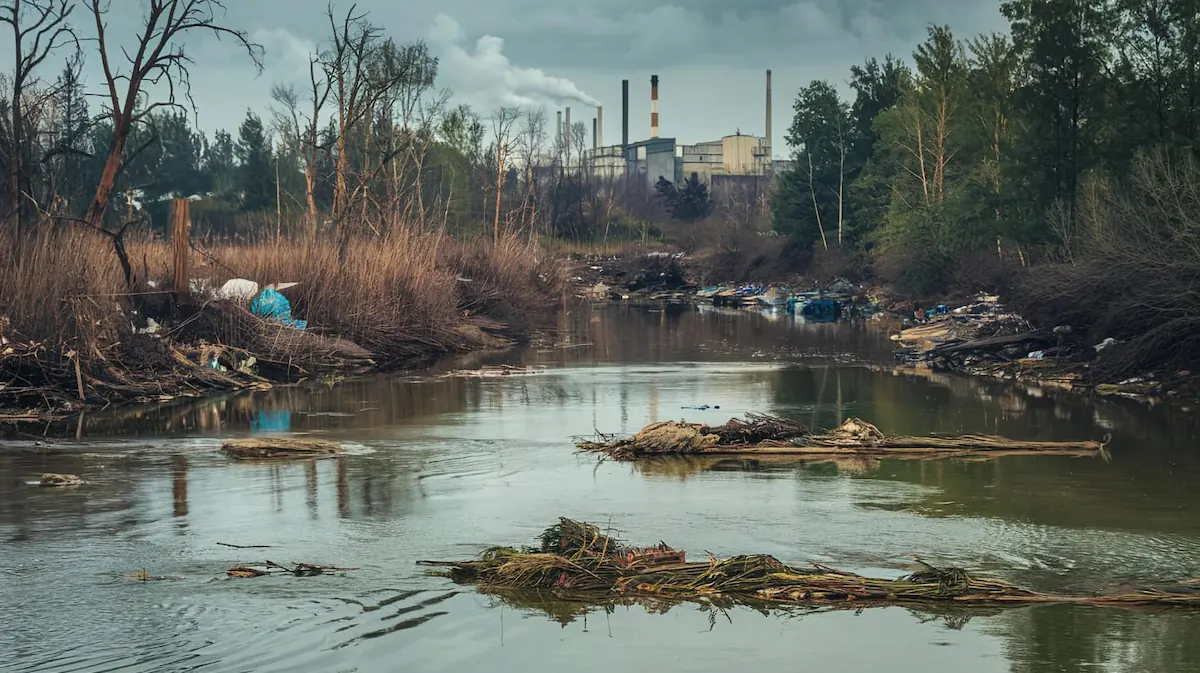
Amid growing environmental degradation, planting trees is often seen as the primary solution. However, some people are not yet aware that each tree plays a different role in supporting nature conservation.
Among the many types of trees, some play a far more vital role in preserving nature. Let’s take a look at the full explanation below!
Types of Trees
In reality, many trees are growing around the world. However, certain tree species play a vital role in nature conservation and must therefore be preserved. Here are a few of them:
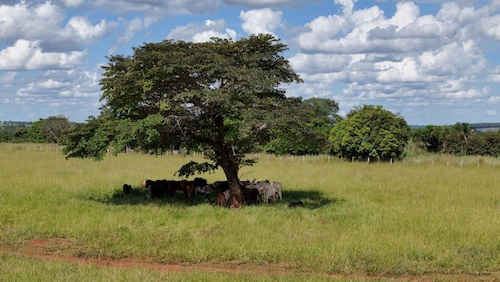
The Trembesi Tree (Samanea saman)
The trembesi tree is widely found in Indonesia. It is large, has a broad umbrella-shaped canopy, and its roots penetrate deeply into the soil. This tree is one of the best at absorbing carbon dioxide.
In an article titled “Estimation of Above Ground Carbon Sequestration in Trembesi (Albizia saman) and Johar (Senna siamea) at PT Multi Harapan Utama, East Kalimantan,” published in the Journal of Tropical Biodiversity and Biotechnology (2020), it is stated that a single trembesi tree is known to absorb approximately 28,000 kg of carbon dioxide annually.
Moreover, this tree has a very long lifespan, living for hundreds of years. This means that over its lifetime, a trembesi tree is estimated to absorb nearly 3 million tons of carbon dioxide.
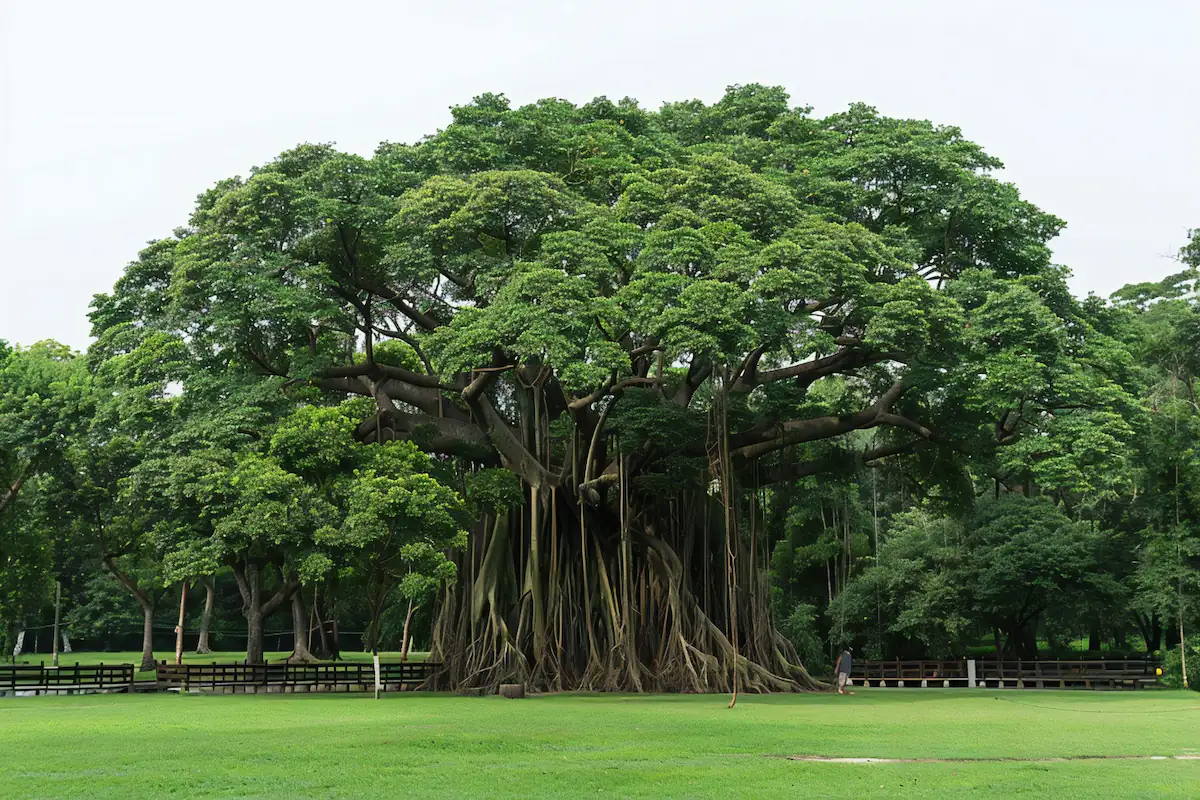
The Banyan Tree (Ficus benjamina)
The banyan tree, or banyan fig, is known as a conservation tree. This is because its morphology supports all conservation functions, from producing oxygen and preventing erosion and landslides to storing and maintaining groundwater reserves.
The banyan tree is also a primary food source for many wild animals, such as birds, insects, and mammals. In addition to benefiting the surrounding organisms, this famously shady tree is often the main attraction in town squares or city parks. Many people use the banyan tree for shade and for fresh air.
Water Apple Tree (Syzygium aqueum)
This tree, whose fruit is red, green, or white, is commonly found in residential yards. Most water apple trees grow near water sources, thereby helping to maintain water availability and preserve its quality.
Their strong roots help stabilize the soil, particularly in areas prone to erosion. This finding is supported by research published in EKSAKTA: Jurnal Penelitian dan Pembelajaran MIPA.
The study revealed that the presence of water apple trees in the Namorambe subdistrict of Deli Serdang helps prevent soil erosion around hills prone to landslides.
Read also: Carbon Capture and Storage: Technology to Reduce CO2 Emissions
Kepuh Tree (Sterculia foetida)
The kepuh or kelumpang tree typically grows tall, has a large trunk circumference, and features sturdy roots that penetrate deep into the soil. In Java and Bali, this tree is commonly found in cemetery areas.
The kepuh tree is known for its ecological, economic, and even medicinal benefits. Its ecological benefits stem from its sturdy roots and wide canopy, which protect the surrounding water and soil.
As for its economic benefits, they come from various parts of the tree. For example, the leaves can be used as livestock feed, and the seeds can be processed into oil, which is then used in the soap and cooking oil industries. Certain parts of this tree can also be utilized in traditional medicine.
Gayam Tree (Inocarpus fagifer)
The gayam tree, also known as the Tahitian chestnut, is now becoming rare, so many people may not be familiar with it. The gayam tree has a hardwood trunk, thick leaves, and dense, compact roots.
Gayam roots act as soil biopores, facilitating rainwater infiltration and preventing soil erosion. Thus, it is no surprise that this tree is often chosen as an erosion control measure in river basins (DAS) and aids in the rehabilitation of degraded land.
When cultivated, the gayam tree can provide various economic benefits, including using its fruit extract as a source of energy and food. Meanwhile, extracts from its leaves and roots can help address inflammation and digestive issues.
The Areca Palm (Arenga pinnata)
The areca palm is native to tropical Asia. It can grow up to 25 meters tall, with a trunk diameter of up to 0.5 meters. This tree plays a vital role in environmental conservation efforts. Its long, elegantly curved fronds allow the soil’s microecosystem beneath them to thrive, while the soil itself remains fertile.
Conserving the areca palm also benefits a variety of wildlife. Areca palm flowers, for example, provide food for birds and serve as breeding grounds for pollinating insects.
Read also: 5 Environmental Greening Initiatives and Their Benefits
The Benefits of Trees for Life
Trees are not merely natural objects but fundamental elements for the sustainability of the environment and the survival of other organisms. Upon closer examination, here are the benefits of trees for life:
Maintaining Soil Quality
Trees help maintain soil quality through the roles of their leaves, branches, and roots. The presence of these elements prevents rainwater from directly hitting the soil surface.
Leaves and branches serve to catch and break up falling water, resulting in smaller, slower droplets. This effectively reduces the risk of soil erosion.
On the other hand, roots help bind soil particles, create pores, and reduce surface water flow. As a result, more water seeps into the soil rather than running off the surface. With the support of these three components, the soil becomes more stable, while preserving its nutrients and fertility.
Reducing Greenhouse Gases
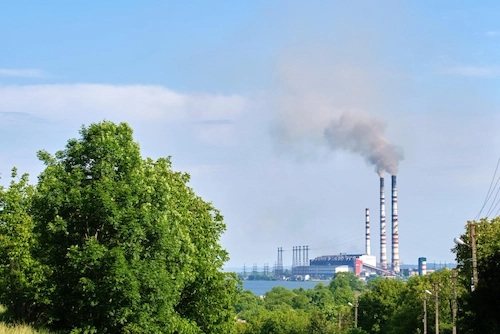
Greenhouse gases are gases in Earth’s atmosphere that have the ability to absorb and emit infrared radiation. One of the primary greenhouse gases is carbon dioxide (CO2). If its concentration increases excessively, global warming and climate change will occur.
This is where trees become crucial, as they can absorb and store carbon dioxide, a primary driver of global warming. The stored carbon dioxide is used in photosynthesis, which in turn produces oxygen.
Maintaining Air Quality
It is common knowledge that industrial activities can increase air pollution by emitting pollutants such as carbon dioxide and sulfur dioxide. If these substances mix with rainwater, acid rain forms, which is harmful to human skin and causes corrosion.
With trees present, the risk of acid rain can be reduced because trees absorb air pollutants through their leaves, filter out harmful particles, and lower the concentration of polluting gases in the atmosphere.
After understanding the various types of trees and their benefits, the commitment to caring for them needs to be further strengthened. Trees are not just for planting, but also for ensuring their sustainability.
Stop deforestation, as it can cause flooding during the rainy season and droughts during the dry season. Instead, we should promote reforestation to repair the damage already done. Protecting trees is a simple step that shows your commitment to preserving our beloved Earth.
If you want to contribute to other environmental conservation programs, join Indonesia Asri. Currently, Indonesia Asri is running the Jejak Asri campaign, which you can participate in by sharing stories and concrete actions you’ve taken for the environment. This campaign runs until October 16, 2026.
Selected stories will not only inspire others but also have the chance to win prizes worth millions of rupiah. Register now and become an agent of change for the Earth’s sustainability!
Read also: 8 Ornamental Plants That Can Grow in Water & Their Benefits