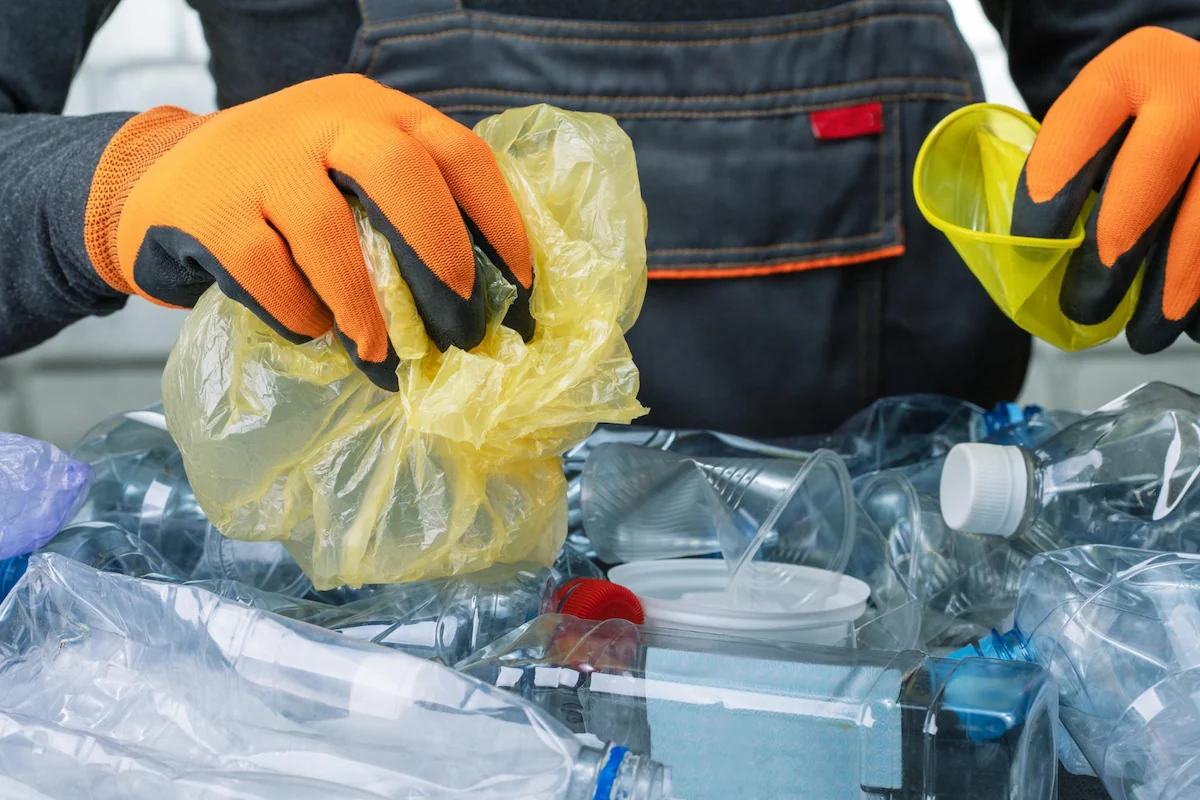
Before we dispose of plastic products, let’s have a moment to think. The material might still have value if we process it properly. Appropriate plastic waste processing can result in valuable products for households and industry. There is a lot of stuff we can make from plastic waste processing.
Do you want to know about the processing steps, advantages, and product examples? Read the complete information below!
Plastic Waste Processing Steps
In general, you can process plastic waste following these steps:
- Collect plastic waste from households or industries.
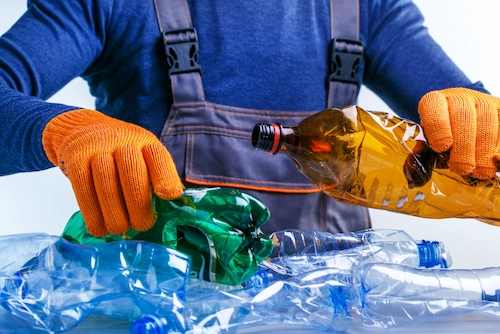
- Sort plastic waste based on the materials, colors, resin compositions, or production process.
- Wash it thoroughly from label, adhesive, and food remains.
- Cut the waste into shreddings to make it easier to process.
- Test the density. When the shreddings float on water, they are less dense. Meanwhile, dense particles will submerge.
- Test the air classification (separation using airflow). Place the particles into an air-filled chamber to separate them based on their physical and aerodynamic characteristics. Larger particles will float lower, while smaller particles will float higher.
- Crush and melt plastic shreds into plastic pellets, then bring them to manufacturing companies as recycled building blocks for new products.
You may also like: Why Is Waste Sorting Important? Learn How to Do It at Home!
Benefits of Plastic Waste Processing
Here are some benefits you can take from plastic waste processing:
- Reducing environmental pollution: Proper processing prevents excessive amounts of plastic waste from ending up in landfills. As a result, the risk of soil, water, and environmental pollution can be minimized.
- Conserving natural resources and energy: Plastic waste processing allows materials that can still be utilized to be reused. Thus, the need to extract new raw materials and use energy in the production process can be reduced.
- Creating new jobs: Plastic waste processing involves several types of workers to handle collection, processing, and production.
- Supporting sustainable development: Plastic waste processing helps keep materials in the cycle of use so they do not immediately become waste.
Examples of Plastic Waste Processing Products
There are many products or crafts you can make from plastic waste. Below are some of them:
Pyrolysis Oil from Plastic Waste
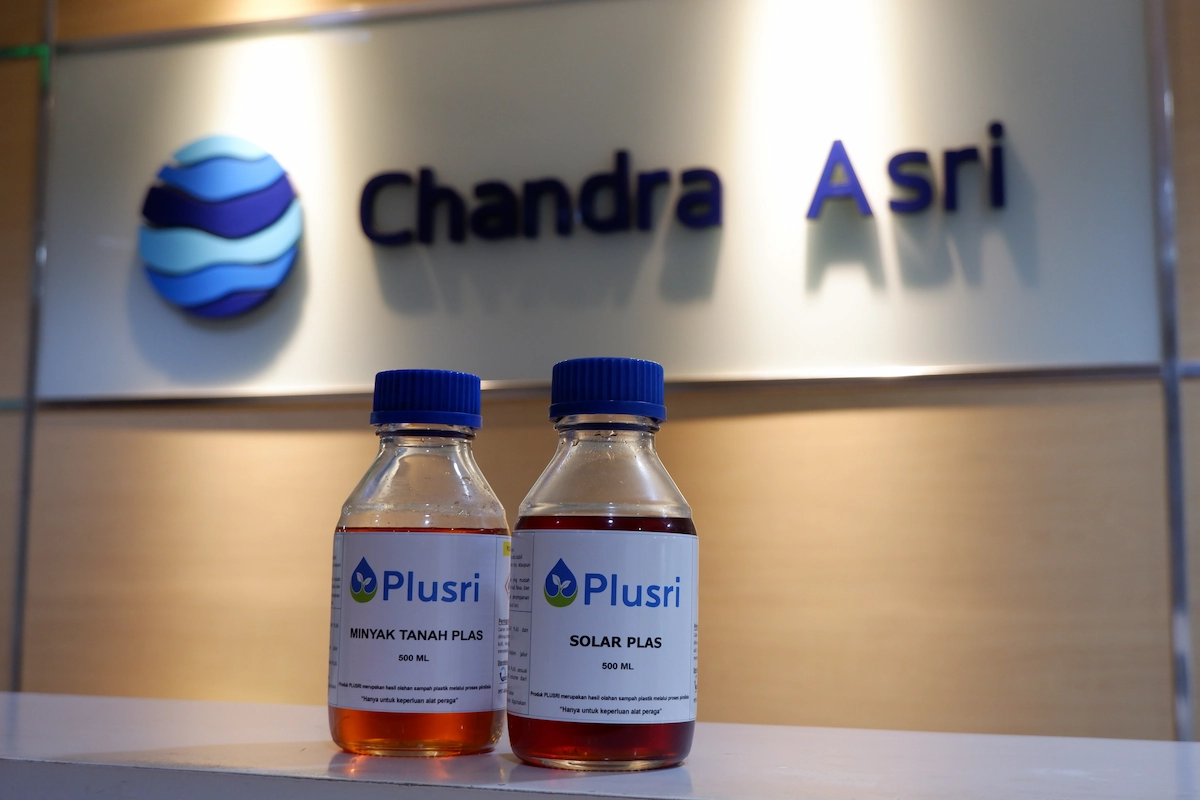
Plastic waste can be processed into alternative fuels like pyrolysis oil. Pyrolysis is the process of heating a material to high temperatures, typically ranging from 300 to 900 ℃, in the absence of oxygen. This process produces gas, charcoal, and pyrolysis oil.
The Chandra Asri Group has implemented pyrolysis oil production as part of PLUSRI’s product innovation. In addition to helping reduce waste generation, PLUSRI also supports the needs of small and medium-sized enterprises (SMEs) around its operational areas, particularly as a substitute for diesel and kerosene.
Since 2023, PLUSRI has been used as a blended fuel for the fleet of PT. SCG Barito Logistics (SBL), a subsidiary of the Chandra Asri Group. To date, tens of thousands of kilograms of plastic waste have been successfully processed into tens of thousands of liters of PLUSRI oil, exemplifying circular economy-based waste management.
Ecobrick
If you have seen crafts made from plastic waste-filled bottles for tables, partitions, or decorative installations, those are ecobricks. This craft can be a building material that can be marketed or used for education.
To make an ecobrick, you must sort the valuable plastic waste, then wash and dry it. After that, cut it into smaller pieces and put it in compact bottles. Next, weigh the ecobrick and make sure it has a standard weight, which is 200 grams for a 600 ml bottle. Lastly, use adhesive to stick every bottle together.
More on this topic: 8 Environmental Actions in School You Must Try, Take Note!
Plastic Asphalt Mix
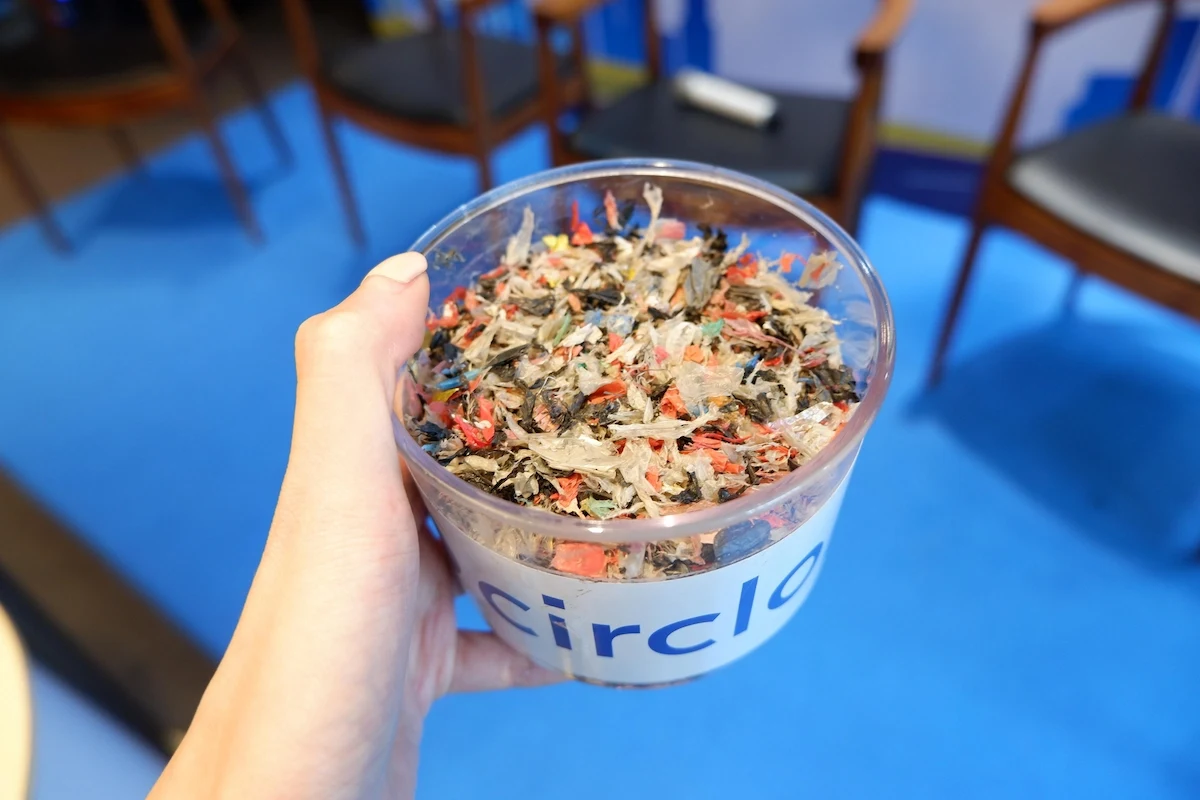
In addition to PLUSRI, the Chandra Asri Group is also collaborating with Garut Regency and Yayasan Bakti Barito to process plastic waste into asphalt raw materials. The plastic asphalt produced through this collaboration has been used on hundreds of kilometers of roads throughout Indonesia.
Another equally interesting product is CIRCLO, a plastic asphalt mixture made from shredded plastic bags that meets PUPR specifications and thus complies with applicable technical requirements. To ensure optimal use, Chandra Asri also trains contractors on how to mix CIRCLO with the asphalt to be used.
Hydroponic Pots
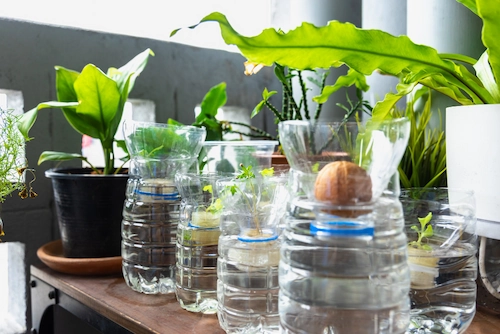
If you enjoy gardening, try using plastic waste as a hydroponic pot. To do this, cut a used bottle in half. Then, turn the top half of the bottle upside down and insert it into the bottom half. Lastly, place the plant so that its roots go into the hole in the bottle cap.
This method can support a simple hydroponic system. The inverted bottle design allows the top half to serve as a plant container, the bottom half to hold the nutrient solution, and the hole in the bottle cap to help the roots access the solution.
The reuse of plastic waste through this initiative is supported by an article in Jurnal Pelayanan dan Pengabdian Masyarakat (2020), which found that training in hydroponic gardening using plastic bottle waste can promote economic self-reliance among participants by reducing daily household expenses, particularly for vegetables.
Keychains
Plastic waste processing can also produce products with high aesthetic value, like a keychain made from plastic bottle caps. First, gather a reference image, some paint, and plastic bottle caps. Next, clean the bottle caps. Then, decorate the surface with permanent markers, acrylic paint, or glitter. You can follow the reference image or design provided, or let your creativity run wild. Lastly, punch a hole along the edge to attach a keychain ring. The finished keychains can be sold, used personally, or given as souvenirs.
In the end, recycling plastic waste can have a significant positive impact across various sectors, from the environment and the economy to agriculture. This effort also embodies the practice of sustainable living, a lifestyle focused on minimizing negative impacts on the environment.
Share Your Actions in Preserving the Environment & Get Rewards of Millions of Rupiah!
Processing plastic waste can be the beginning of environmental preservation actions. Moreover, you can implement sustainable living by choosing more eco-friendly transportation. This simple action can reduce carbon emissions, contributing to several environmental issues.
If you have interesting stories of other simple green actions, please share them with Indonesia Asri through Jejak Asri. Through your story, other people might be inspired to do many positive actions for a greener Indonesia.
Share a story of at least 700 words about your experience or efforts toward environmental conservation. You can add photos and videos to complement your story. The submitted stories will be judged by a panel based on votes from visitors to the Indonesia Asri website.
Not only will they inspire others, but the selected stories will also have the chance to win prizes worth millions of rupiah and be published on the Indonesia Asri website (terms and conditions apply). So, sign up now and submit your story about environmental conservation before October 16, 2026!
Must-read: Waste Management System: Types, Stages, and Methods