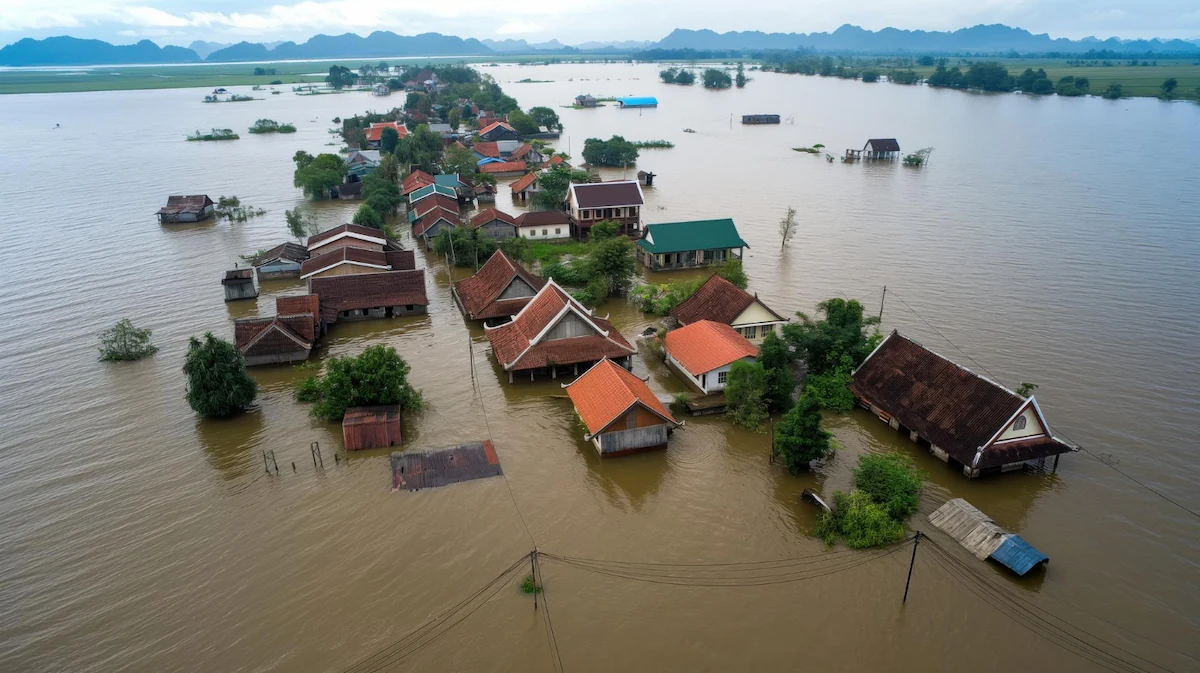
Damaged and polluted rivers harm life. It can cause flooding, drought, and damage to the surrounding ecosystem in overwhelming amounts.
The condition of damaged rivers can affect the community’s welfare, including health and economic activities. Therefore, river rehabilitation is an essential step to restore water flow and ensure proper functioning.
To learn more about river rehabilitation and how to address river siltation, read this article to the end.
What Is River Rehabilitation?

River rehabilitation is an effort to restore rivers to a healthier and more functional state. This process involves various actions, including repairing blocked waterways, reshaping damaged rivers, improving water quality, as well as restoring the surrounding flora and fauna.
With these steps, rivers can once again support ecosystems and human needs in a balanced manner. According to an official report from the Ministry of Environment and Forestry (KLHK/KLH) in 2024, the quality of river water in Indonesia still requires serious attention. Approximately 63.7% of rivers are classified as slightly polluted, indicating some disturbances in water quality, although not yet severe.
A total of 25% of rivers are of good quality or meet class two water quality standards, while 10.6% are classified as moderately polluted and require more intensive intervention. Only 0.7% of rivers are classified as heavily polluted, but this condition still serves as a warning for future river management.
This data emphasizes that river rehabilitation is not merely an effort to improve rivers’ physical condition, but also to preserve ecosystems, enhance the quality of life for surrounding communities, and ensure that rivers remain a valuable resource for the future.
The Consequences of Neglecting River Rehabilitation
Neglected rivers that receive little attention in the rehabilitation process not only have a direct impact on water quality but also contribute to broader environmental problems. The following is a more detailed description of these impacts:
1. Prolonging Pollution
If river rehabilitation is not carried out properly, river pollution will continue and may even worsen. As a result, many aquatic animals will be threatened, and the river ecosystem will be damaged, disrupting the food chain.
Pollutants, including heavy metals, pesticides, and hazardous chemicals, usually cause the death of aquatic animals. Some pollutants can damage fish gills, making it difficult for them to absorb oxygen, and ultimately causing them to die in large numbers.
2. Increasing Sedimentation
Sedimentation is the process of sand, mud, and organic matter accumulating at the bottom of a river. This process can occur naturally, for example, as water flow carries material downstream, or through human activities such as construction and deforestation.
Rivers without rehabilitation are at increased risk of erosion and sedimentation. Generally, erosion is the process whereby soil is loosened or carried away, causing it to settle in certain places. Excess soil deposits that remain in the river are called sedimentation.
If no efforts are made to control erosion and sedimentation, soil and mud will continue to accumulate. As a result, rivers become shallow, water storage capacity decreases, water flow is blocked, and the risk of flooding increases, especially during heavy rains.
Read also: 5 Environmental Greening Initiatives and Their Benefits
3. Habitat Damage
If the natural habitats in rivers are not properly restored, many plants and animals living there are at risk of local extinction. Additionally, nutrient pollution, such as nitrogen and phosphorus, can promote the growth of dangerous algae.
For your information, harmful algae include blue-green algae (cyanobacteria), which can release toxins and affect living things in the surrounding environment. These algae can also cover the water surface, block sunlight, and reduce dissolved oxygen levels. As a result, animals and other organisms in the river struggle to breathe and can die.
4. Increased Risk of Natural Disasters
Rivers with high sediment levels are more prone to floods, droughts, and landslides. Floods occur when shallow riverbeds cannot hold water during heavy rain, causing water to overflow.
The narrowing of river flow and damaged embankments can also exacerbate flooding, causing property damage and loss of life. Remaining water in shallow rivers evaporates more quickly, reducing water supplies. Additionally, rapid water flow can damage riverbanks, making the soil unstable and prone to landslides.
5. Triggering Climate Change
River damage not only destroys ecosystems but can also alter the microclimate in the surrounding area. When rivers are damaged, the natural water cycle is disrupted because the processes of evaporation, cloud formation, and rainfall become unbalanced.
As a result, rainfall around rivers can become more frequent or less frequent, and air temperatures can rise or fall dramatically. These affect air humidity and wind direction, increasing the risk of drought or flooding, and changing the types of plants and animals that can live in the area.
Read also: What Is Deforestation? Definition, Impact, & How to Combat It
How to Address River Siltation

To improve river conditions, cooperation from various parties with a comprehensive approach is needed. Here is a guide on how to effectively rehabilitate rivers:
- Controlling pollution, for example, through monitoring waste disposal and imposing sanctions on violators. This measure is fundamental to preventing further pollution-related damage to rivers.
- Conserving soil and water through activities such as tree planting, terraced fields, and infiltration wells helps reduce erosion while increasing water infiltration into the soil. This ensures smooth river flow and reduces the risk of flooding.
- Restoring the river ecosystem, such as replanting vegetation on the riverbanks, not only improves water quality but also provides habitat for various animals. A healthy ecosystem supports the life of the surrounding flora and fauna.
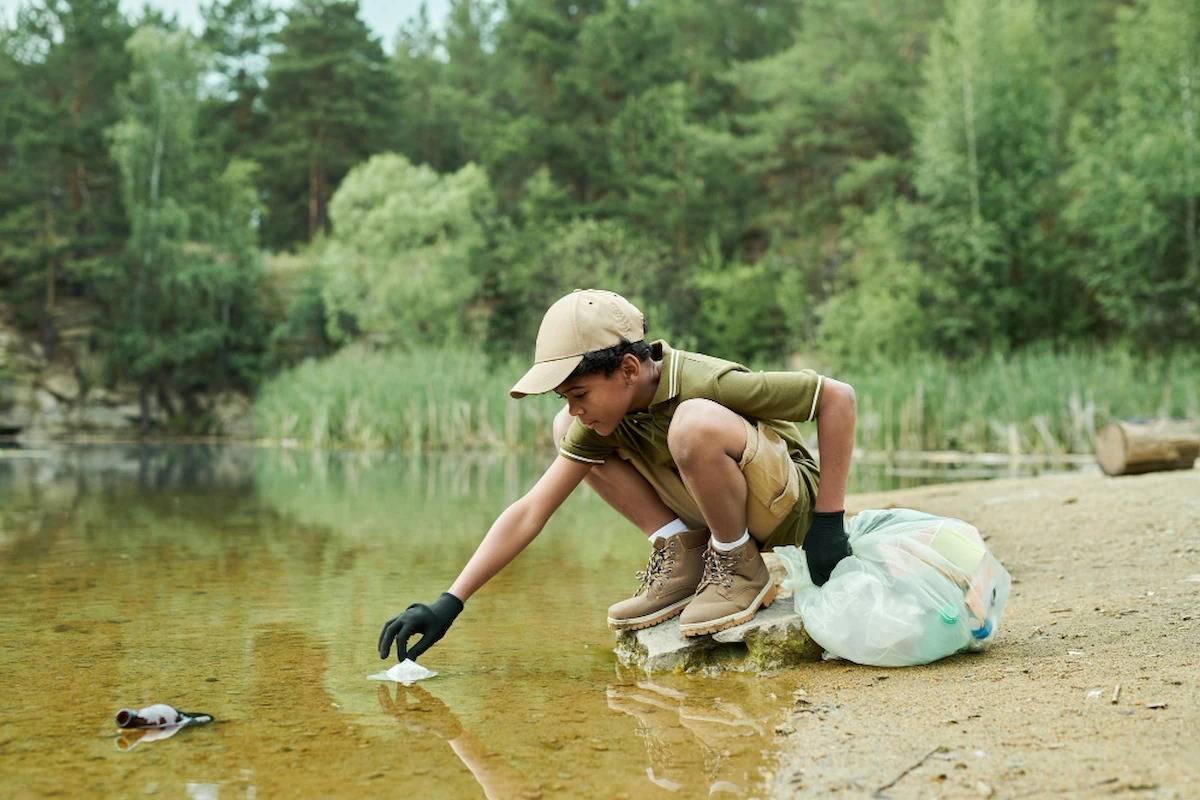
- Raising public awareness through education and socialization, the community can be directly involved, for example, by participating in river clean-ups or forming river care groups. Active community participation is the key to successful rehabilitation efforts.
That concludes the information on river rehabilitation and how to address river siltation. Understanding the causes and impacts can provide insight and foster awareness of the importance of maintaining clean, healthy rivers.
Collective efforts, ranging from pollution control, soil and water conservation, and ecosystem restoration to active community participation, are essential for rivers to function effectively as sources of life and to prevent environmental disasters.
You can also take part in efforts to preserve the environment with Indonesia Asri. Through the #AksiAsri program, you can take part in many exciting and rewarding activities, including planting trees along rivers, learning about the environment, and directly helping preserve aquatic ecosystems.
Let’s register as Warga Asri, and together we can keep our rivers clean, our water healthy, and our environment sustainable for the future!
Read also: Why Is It Important to Conserve Water and How We Can Contribute to Save It