
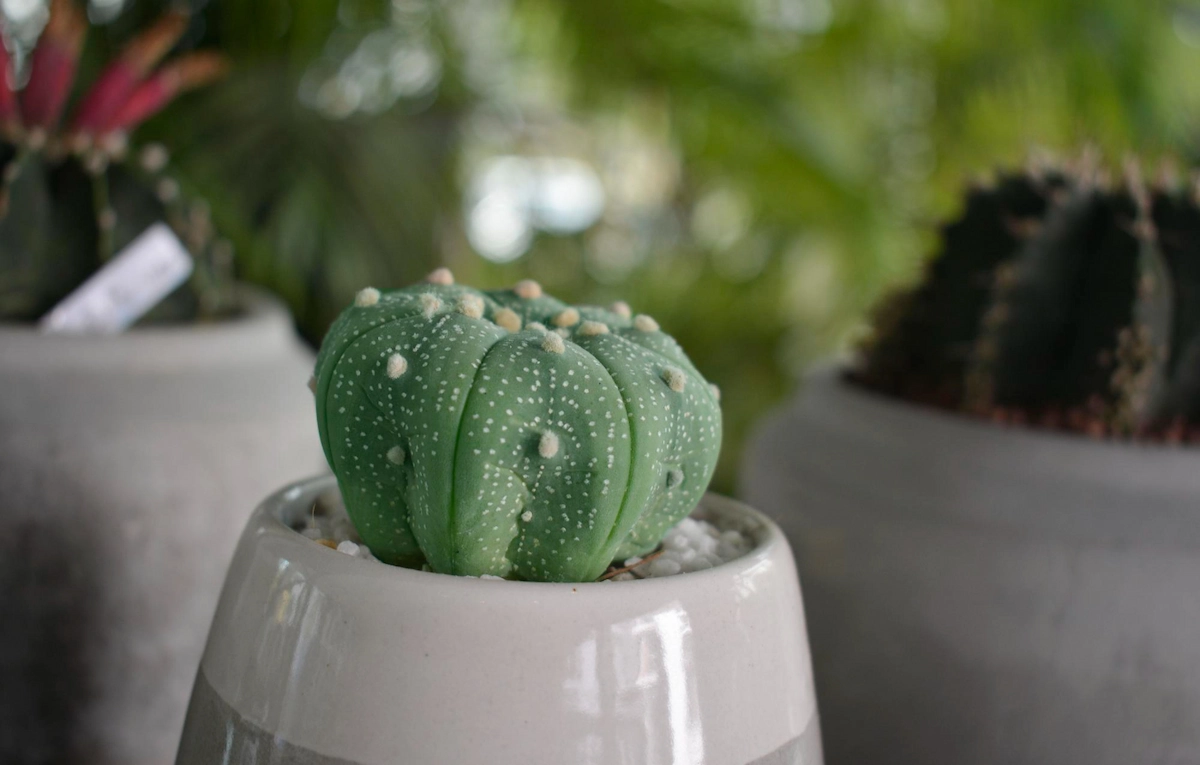
Succulent cacti are among the most popular houseplants because of their unique appearance, relatively easy care, and versatility in various corners of the home or workspace.
Although known for their tolerance to dry conditions, these plants still require proper care to grow healthily and avoid damage.
Let’s take a look at the following guide to learn the care steps that will keep your beloved succulent cactus beautiful and growing optimally!
How to Care for Succulent Cactus
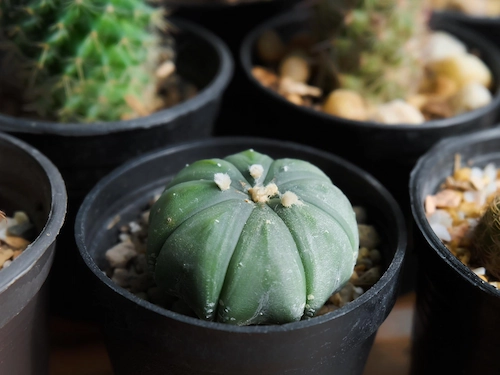
Caring for succulent cactus is actually not difficult once you understand their basic needs. Routine care not only helps keep the plant healthy but also makes it look even more beautiful and live longer.
Curious about how to care for them? Here are some steps you can try to care for your succulent cactus so they can thrive better:
Choose a Well-Draining, Porous Growing Medium
The first step in caring for a succulent cactus is to choose a growing medium with good porosity and rapid drainage. This is important because the roots of succulent cactus do not thrive in soil that remains too damp for long periods.
You can use a mixture of coarse sand, charcoal, perlite, humus-rich soil, or pumice to ensure good drainage at the bottom of the pot and prevent the roots from rotting.
Use Pots with Drainage Holes
In addition to choosing the right potting mix, using pots with drainage holes is just as important. The holes at the bottom of the pot allow excess water to drain away after watering, so the potting mix does not remain wet for too long.
You can also choose clay pots, as their pores allow water to evaporate more quickly than in some other types of pots.
However, plastic or ceramic pots can still be used as long as they have adequate drainage holes and are paired with a porous growing medium.
If using a saucer, do not let water pool in it for too long. It is best to immediately pour out any excess water after watering to maintain the proper moisture level of the growing medium.
Water Succulent Cactus Moderately
Succulent cactus do not require daily watering because they can store water reserves in their leaves, stems, or roots. Therefore, watering should only be done when the potting mix is completely dry.
The watering frequency for a succulent cactus can vary depending on the weather, the plant’s size, the potting mix, and its location.
During the summer or when the weather is dry, succulent cacti may need water more often than in the rainy season or in cooler indoor environments.
Read also: Types of Trees That Play a Vital Role in Nature Conservation
Place Them in a Spot That Gets Enough Sunlight
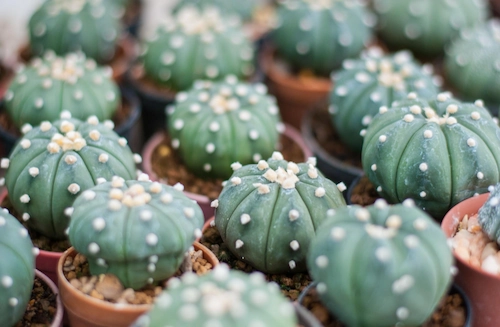
Succulent cacti generally grow well in spots that get bright sunlight. Sunlight helps the plants photosynthesize properly.
If you place a succulent cactus indoors, choose an area near a window or a spot that receives sunlight for several hours each day.
Meanwhile, for plants placed outdoors, try to ensure they get morning sunlight or at least 4–6 hours of bright light a day.
Fertilize as Needed
Although known as low-maintenance plants, succulent cactus still require additional nutrients for optimal growth. Fertilizer can support root development, strengthen stems, and keep leaves healthy and vibrant.
Choose a fertilizer with a lower nitrogen content and higher phosphorus content. You can apply the fertilizer in small doses mixed into the water during watering or hydration.
Avoid fertilizing too frequently, as the nutritional needs of succulent cactus are relatively low compared to other houseplants. To maintain a balanced nutrient supply, fertilize every 6–8 weeks.
Clean Dust Off from Leaves and Stems
Dust that accumulates on the surface of leaves or stems often goes unnoticed. However, this can prevent the plant from receiving optimal light.
If left for too long, a layer of dust can also interfere with photosynthesis, preventing succulent cactus from growing to their full potential.
You can regularly clean off dust using a soft-bristled brush, a slightly damp soft cloth, or a low-pressure blower.
Do this carefully, especially with cactus varieties that have dense spines or a natural waxy coating on their surface, to avoid damaging the plant.
Prune Dry or Rotten Parts of the Plant
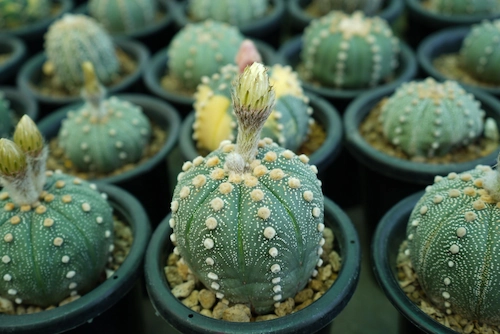
If any part of a succulent cactus is dry or rotten, you should prune it immediately to prevent the condition from spreading to other parts. If left untreated, the damaged area can become a breeding ground for mold or affect the health of the entire plant.
You can use clean, sharp scissors or a small knife to ensure a clean cut. After pruning, let the cut area dry out first before watering the plant again to ensure better recovery.
Read also: 9 Ways to Take Care of Plants, Easy and Effective!
Watch for Signs of Pests and Diseases
Even succulent cacti can still be affected by pests and diseases. So you need to monitor their health diligently. Common signs of disease usually include spots, discoloration, softening stems, or small insects on the plant’s surface.
If you notice any of these symptoms, immediately isolate the plant from the rest of your collection to prevent the problem from spreading.
Adjust Care Frequency According to the Season
Caring for succulent cactus is not the same year-round, as seasonal conditions affect their needs. When the weather is hotter and drier, the plants may need slightly more regular watering than when the air is humid or when it rains frequently.
However, this doesn’t mean you need to overwater them. What is more important is adjusting your care schedule to environmental conditions so the potting mix does not become too wet and the plants remain in ideal conditions.
Repot When the Plant Has Outgrown Its Pot
Another equally important aspect to consider when caring for plants, especially succulent cactus, is repotting. Repotting is necessary when the cactus has outgrown its pot or the potting mix begins to degrade.
Additionally, plants with roots that have filled the pot typically grow more slowly and have limited ability to absorb water and nutrients. When repotting, choose a slightly larger pot and a well-draining potting mix to allow the roots to develop properly.
That concludes the explanation of how to care for succulent cactus that you can apply at home. With proper care, from choosing the potting mix and managing watering to regularly monitoring the plant’s condition, succulent cactus can grow healthily and remain a green element that beautifies your home.
Keeping plants healthy is also a simple way to foster environmental awareness.
If you want to do more to create a greener and more sustainable environment, you can join Indonesia Asri. At Indonesia Asri, you can participate in a range of inspiring programs through #AksiAsri.
Additionally, there are many other educational activities and environmental initiatives you can join to make a positive impact.
Register now as a Warga Asri and start taking concrete action for a more sustainable environment with Indonesia Asri!
Read also: 13 Types of Aesthetic Indoor Air-Purifying Plants