
Deforestation is one of the most serious environmental issues globally due to its widespread impact on the climate and human life. The loss of forest cover not only damages ecosystems but also accelerates the global climate crisis.
In Indonesia, deforestation is closely related to land clearing, forest fires, and increasing construction pressure. To better understand what deforestation is, its causes, impacts, and mitigation efforts, read this article to the end.
What Is Deforestation?
Deforestation is the removal of forest cover due to human activities or natural factors, resulting in the conversion of forest areas into non-forest land.
Deforestation includes not only the cutting down of trees, but also changes to the forest ecosystems that prevent them from performing their natural functions.
Causes of Deforestation

Deforestation occurs due to various factors, primarily caused by large-scale human activities, weather changes, and natural conditions. Some of the most common causes of deforestation are:
- Land clearing for agriculture and plantations: Deforestation is often caused by clearing forests for large-scale agriculture, such as palm oil, rubber, and other commodity crops. This process converts forests into permanent land.
- Logging: Logging for industrial needs, construction materials, and export is the main cause of deforestation. Illegal logging exacerbates the damage because it is not accompanied by efforts to restore the forest.
- Mining: Mining activities, whether mineral or coal, often clear large areas of forest. In addition to removing forest cover, these activities also damage the soil and pollute the surrounding environment.
- Infrastructure and settlement construction: The construction of roads, dams, industrial areas, and settlements requires the clearing of forest land. New road access often triggers further deforestation in the surrounding area.
- Forest fires: Forest fires, whether caused by natural factors or human activities, are a significant cause of deforestation. Burning land to clear new areas is often done because it is cheap and quick.
- The impact of climate change: Climate change worsens deforestation through increased temperatures, prolonged droughts, and extreme weather. These conditions make forests more vulnerable to wildfires and vegetation death, accelerating the loss of forest cover.
Read also: What Is Biodiversity? Understand Its Examples & Benefits
Impacts of Deforestation
Deforestation activities can have serious consequences for the environment, the climate, and human life. In 2024, Indonesia recorded a net deforestation of approximately 175.4 thousand hectares.
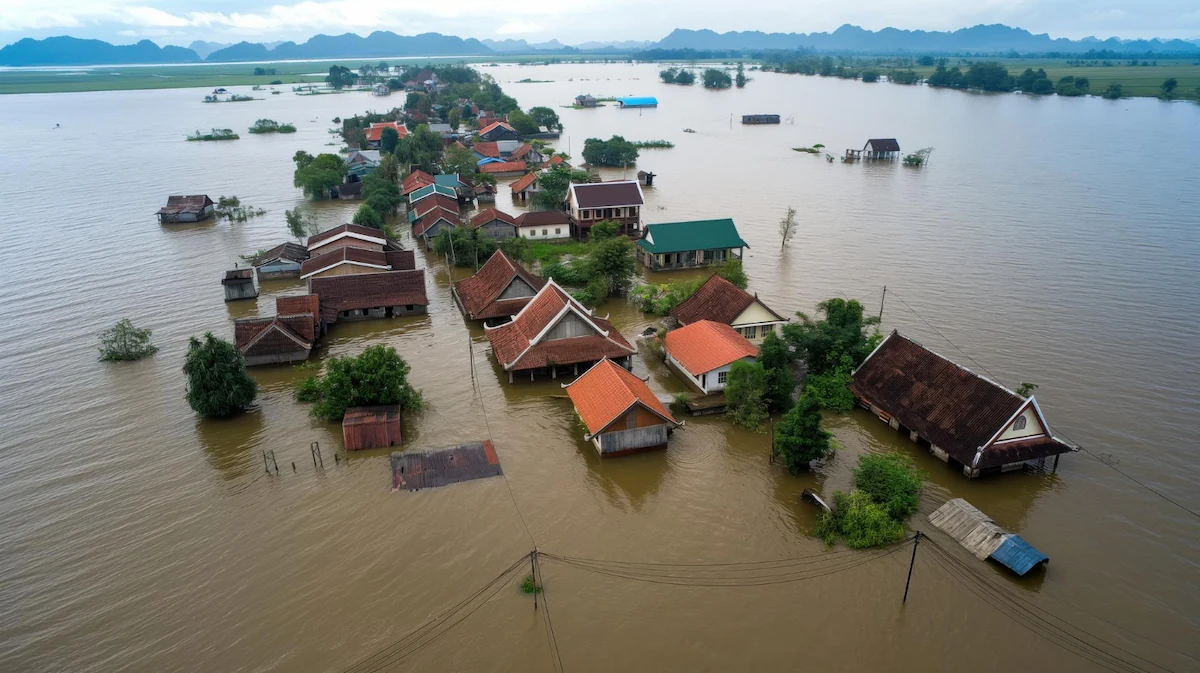
The permanent loss of forest cover causes an ecosystem imbalance that is difficult to restore. One example of a natural disaster that often occurs is flooding. The National Disaster Management Agency (BNPB) stated that flooding was the most common disaster in January 2025 in Indonesia, accounting for 80.79% of all disasters.
Other disasters caused by deforestation in January 2025, according to BNPB data, include landslides, extreme weather, and forest and land fires. Furthermore, here are some other impacts of deforestation that you need to know:
Loss of Biodiversity
Deforestation causes the loss of natural habitats for various types of flora and fauna. Native species in the area will lose their homes and food sources. Moreover, their breeding grounds are also threatened with extinction. This damage is often permanent and difficult to restore in a short period of time.
Climate Change and Global Warming
Forests play an important role in absorbing carbon dioxide from the atmosphere. Logging or burning forests will release the carbon stored in tree biomass back into the atmosphere, increasing greenhouse gas emissions. This condition accelerates global warming and worsens climate change.
Water and Soil Cycle Degradation
Forests play a role in maintaining the balance of the water cycle through the process of evapotranspiration. Deforestation can cause a decrease in rainfall in an area and trigger drought. This has a detrimental impact on the agricultural sector and the availability of clean water.
Social and Economic Impact
Communities that depend on forests, such as indigenous peoples and local communities, often lose their livelihoods due to deforestation. The loss of access to non-timber forest products, farmland, and living space leads to increased poverty and social vulnerability.
Declining Quality of Life
Deforestation causes soil degradation, air pollution, and a decline in the overall quality of the ecosystem. The environment becomes less healthy for humans and other living creatures. This has a direct impact on the quality of life and health of the community.
Read also: Net-Zero Emissions: The Concept and How to Achieve It
Examples of Deforestation in Indonesia

Indonesia is one of the countries with the largest tropical forest areas in the world. However, our country also faces a fairly high rate of deforestation. Here are some examples of deforestation in Indonesia that are often in the spotlight:
Deforestation of the Kalimantan Forest
Kalimantan has experienced massive deforestation due to land clearing for oil palm plantations, mining, and other industries that continue to expand their concession areas.
Throughout 2024, Kalimantan lost approximately 128,358 hectares of production forest to degradation, with East Kalimantan recording the highest deforestation rate at 44,483 hectares.
These figures indicate that industrial land clearing, including for palm oil and mining, remains the main contributor to the loss of tropical forest cover in this region, further reducing the habitat of endemic species such as the Bornean orangutan.
Deforestation on the Sumatra Island
Deforestation in Sumatra remains a serious problem. Data from the Ministry of Forestry shows that the area of deforestation on Sumatra Island in 2024 reached approximately 78,030.6 hectares, with Riau being the largest contributor at approximately 29,702.1 hectares.
Activities such as forest clearing for oil palm plantations, land encroachment, and illegal logging continue to be the main causes of forest cover loss across various regions of Sumatra, including North Sumatra, Aceh, and West Sumatra.
This deforestation has also been linked to an increased risk of massive flooding and landslides due to the destruction of water catchment areas and upstream river ecosystems in the mountains of Sumatra.
Forest and Land Fires in Riau
The province of Riau is recorded as one of the epicenters of forest and land fires (karhutla) in Indonesia, with high intensity throughout 2025.
Data from the Riau Province Regional Disaster Management and Fire Department (BPBD-PK) shows that from the beginning of the year to the end of October 2025, approximately 1,947 hectares of land were burned across all districts and cities.
The most affected areas include Rokan Hilir, Kampar, and Rokan Hulu, each with hundreds of hectares burned.
Efforts to Combat Deforestation in Indonesia
Combating deforestation in Indonesia requires integrated action involving the government, the private sector, and us as part of society. Several efforts can be made to reduce the rate of deforestation, including:
- Enforcement of laws against illegal logging and forest clearing.
- Implementation of sustainable forest management and selective logging.
- Reforestation and restoration of damaged forest areas.
- Protecting forests by establishing conservation areas.
- Educating and empowering communities living near forests.
- Reducing the consumption of wood and palm oil products.
That concludes our discussion on deforestation, from its definition and causes to its impact on the environment and human life. Deforestation poses a serious threat to forest sustainability and ecosystem balance if left unconstrained.
To help reduce the impact of deforestation, you can take part in efforts to protect forests and the environment with Indonesia Asri. Through the #AksiAsri program, you can get involved in various real-world environmental conservation actions, including activities that support forest protection and prevent deforestation.
Every contribution, from using recycled products to participating in sustainable environmental programs, is important for the future of the Earth. Come on, register now and start becoming a Warga Asri who helps preserve Indonesia’s forests!
Read also: Deforestation: Causes, Effects, & How to Deal With It