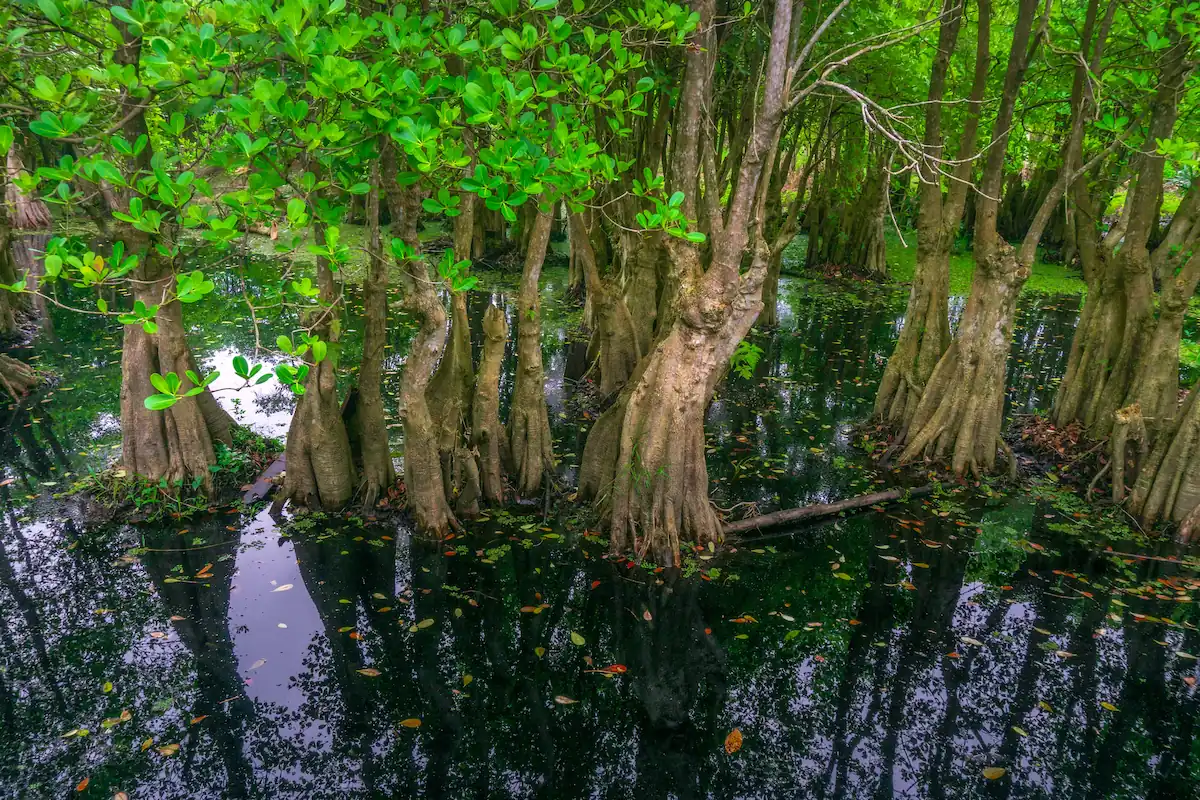
Mangrove forests play many roles in the ecosystem, such as maintaining environmental balance and protecting the habitats of coastal animals. In Indonesia, there are many mangrove ecotourism spots worth visiting.
Want to know the role of mangrove ecotourism and where to go in Indonesia? Read this article to the end!
What Is Mangrove Ecotourism?
Mangrove ecotourism is a type of tourism that combines environmental conservation efforts with nature exploration activities. Interestingly, Indonesia boasts an extensive expanse of mangrove forests. In fact, about 20% of the world’s mangrove forests are located in Indonesia. Our country’s mangrove forests also host the most diverse range of mangrove species.
Mangrove ecotourism is built on several principles, including empowering local communities, environmental education, and environmental conservation.
The hope is that this form of nature tourism can preserve ecological functions, provide tourists with insights into the importance of mangrove forests for the ecosystem, and empower coastal communities.
Read also: Mangrove Forest, Coastal Ecosystems With Countless Benefits
Why Are Mangrove Forests Important?
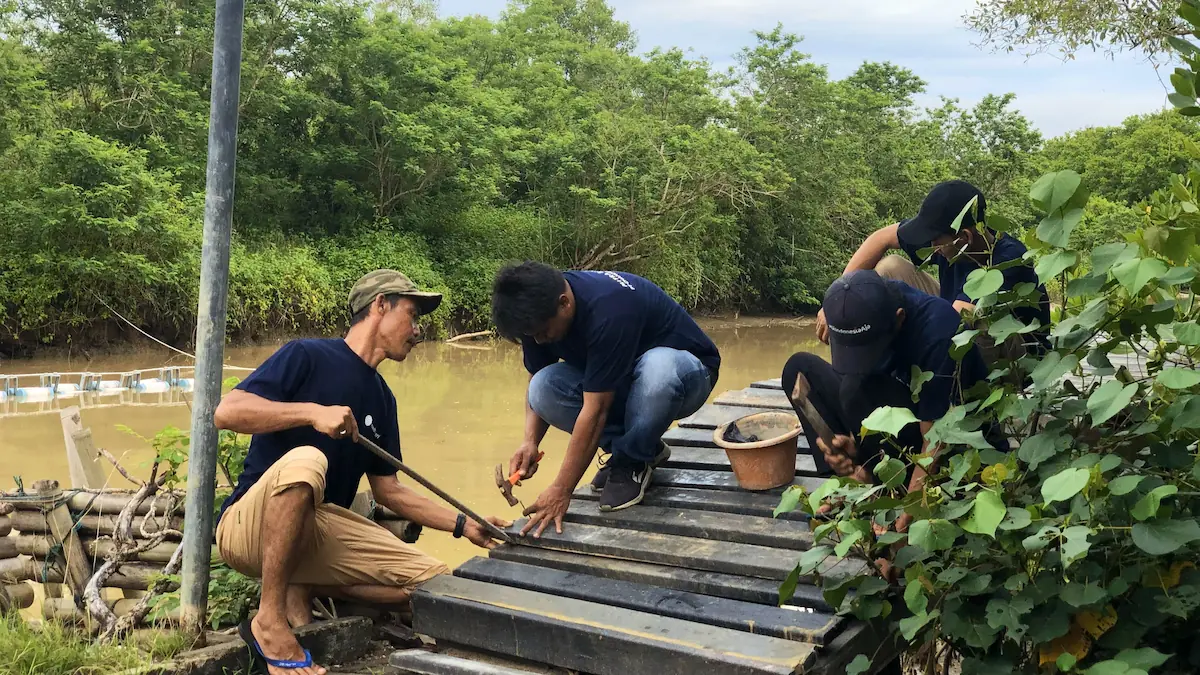
Mangrove forests have roots that can slow erosion, stabilize the soil, and protect coastlines from tsunamis and storms. Additionally, the mangrove trees in these forests can also absorb carbon emissions.
According to the World Bank, mangrove forests can store 3.1 billion metric tons of carbon, equivalent to the emissions produced by 2.5 billion private cars (driven for one year), compared to ordinary tropical forests.
Additionally, these forests serve as breeding grounds for various marine species, provide habitats for animals and plants, and protect the coastline.
From an economic perspective, mangrove ecotourism can provide business opportunities for local residents and communities. The World Bank reports that mangrove ecosystems contribute approximately 1.5 billion dollars annually to the national economy.
The economy in coastal areas can also grow, as local communities can create job opportunities, such as running food stalls and souvenir shops, as well as getting involved in managing mangrove ecotourism.
Mangrove Ecotourism Destinations in Indonesia
Indonesia has 3 million hectares of mangrove land with 92 native mangrove species. So, if you want to learn about mangrove ecosystems, the following mangrove ecotourism recommendations should be on your vacation list:
Patikang Mangrove Edu-Ecotourism Area
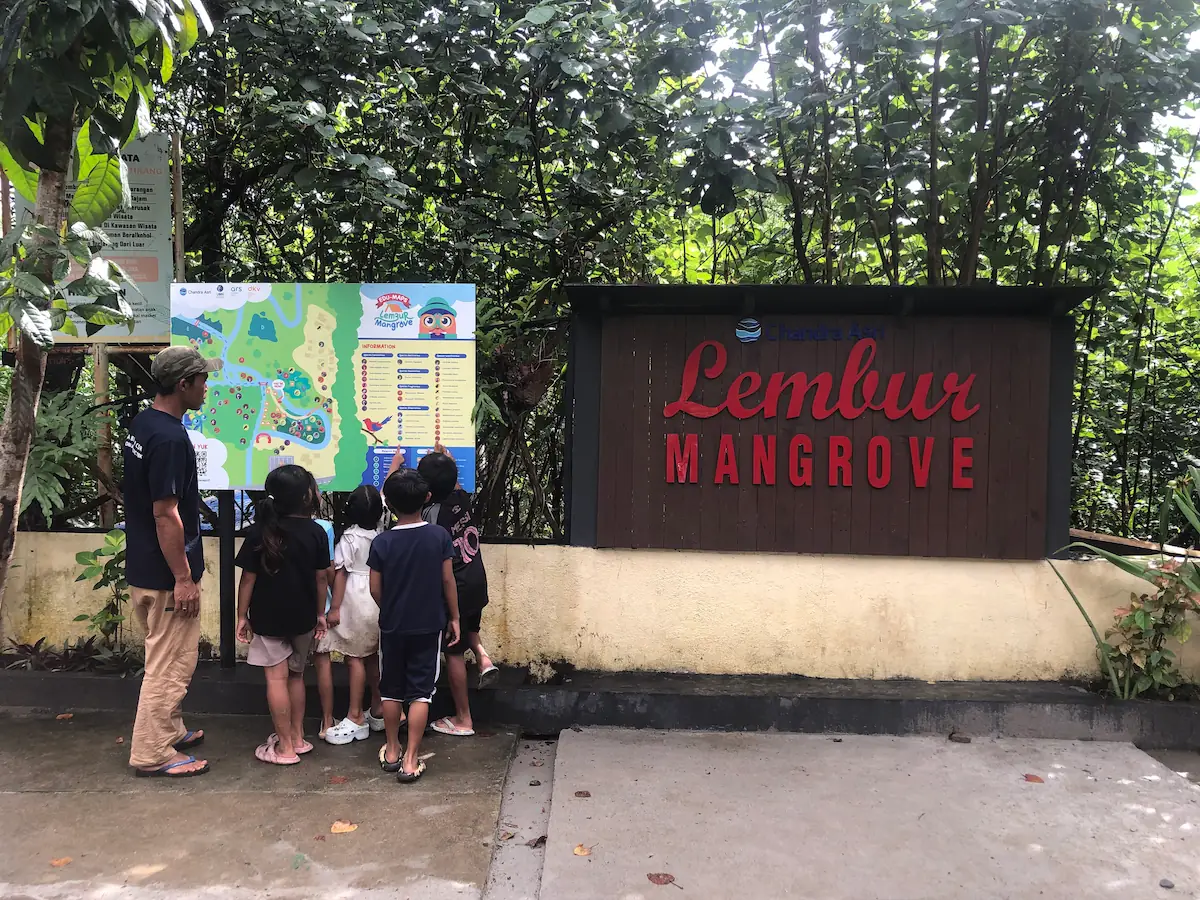
This ecotourism area is located in Citeureup Village, Pandeglang Regency, Banten. Spanning 9,500 m², the area was officially inaugurated on August 30, 2022, as part of the Chandra Asri Group’s commitment to ESG principles and achieving net-zero emissions in Indonesia.
Chandra Asri Group, in collaboration with stakeholders and other foundations, is not only developing the ecotourism area but also conducting research on vegetation and biodiversity within it.
Jakarta Mangrove
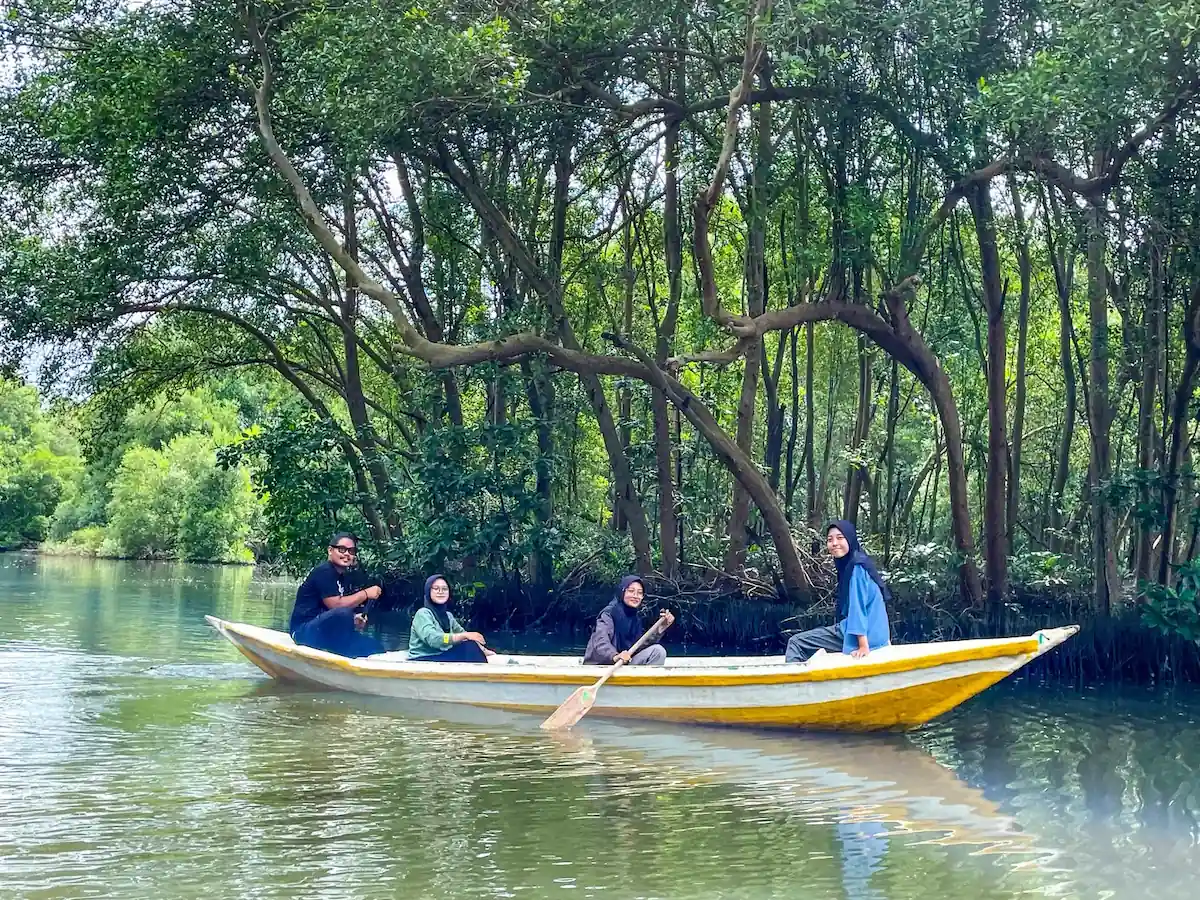
Jakarta Mangrove is located within the Taman Wisata Alam (TWA) Angke Kapuk nature reserve in North Jakarta. This PIK mangrove ecotourism area spans approximately 99 hectares. It is home to a coastal ecosystem as well as unique flora and fauna.
Jakarta Mangrove can be a sweet escape from the hustle and bustle of the metropolis. And why not? This mangrove ecotourism site also offers other exciting activities, such as exploring the mangrove forest by canoe, kayak, speedboat, or rowboat, planting mangrove seedlings, stopping by charming villas, and much more. This ecotourism site is open daily, including national holidays, starting at 7 a.m.
Muara Gembong Mangrove Beach, Bekasi
For those living in the Greater Jakarta area, there is another mangrove ecotourism site you can add to your must-visit vacation list: Muara Gembong Mangrove Beach in Bekasi Regency, West Java. Here, you can enjoy the refreshing beach atmosphere and the beauty of the mangrove forest.
Not only will you be treated to lush scenery, but you can also enjoy beach cuisine, such as grilled fish, and watch the birds that call the mangrove forest home.
Read also: 12 Benefits of Mangrove Forest for Humans and Nature
Pekalongan Mangrove Forest, Central Java
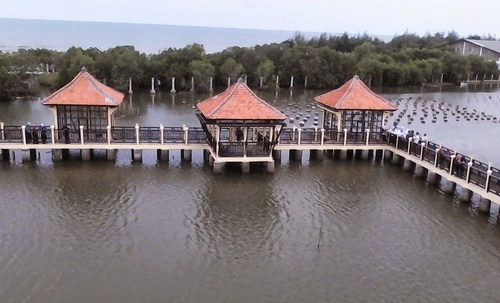
The Pekalongan Mangrove Forest is located in Wonokerto Village, Wonopringgo Subdistrict, Pekalongan Regency, Central Java. This mangrove forest covers an area of approximately 1,500 hectares and consists of two types of mangrove forests: Avicennia and Rhizophora. The forest is home not only to terrestrial wildlife but also to marine life such as fish and crabs.
Kulon Progo Mangrove Forest, Yogyakarta
The Kulon Progo Mangrove Forest is situated alongside the Bogowonto River at Congot Beach. Here, you can go trekking while taking in the serene atmosphere of the forest. You can also take photos on the bamboo bridge over the water.
Admission is very affordable, at around 5,000 IDR per person. This mangrove forest area is open from 6 a.m. to 6 p.m. WIB.
Wonorejo Mangrove Ecotourism, East Java
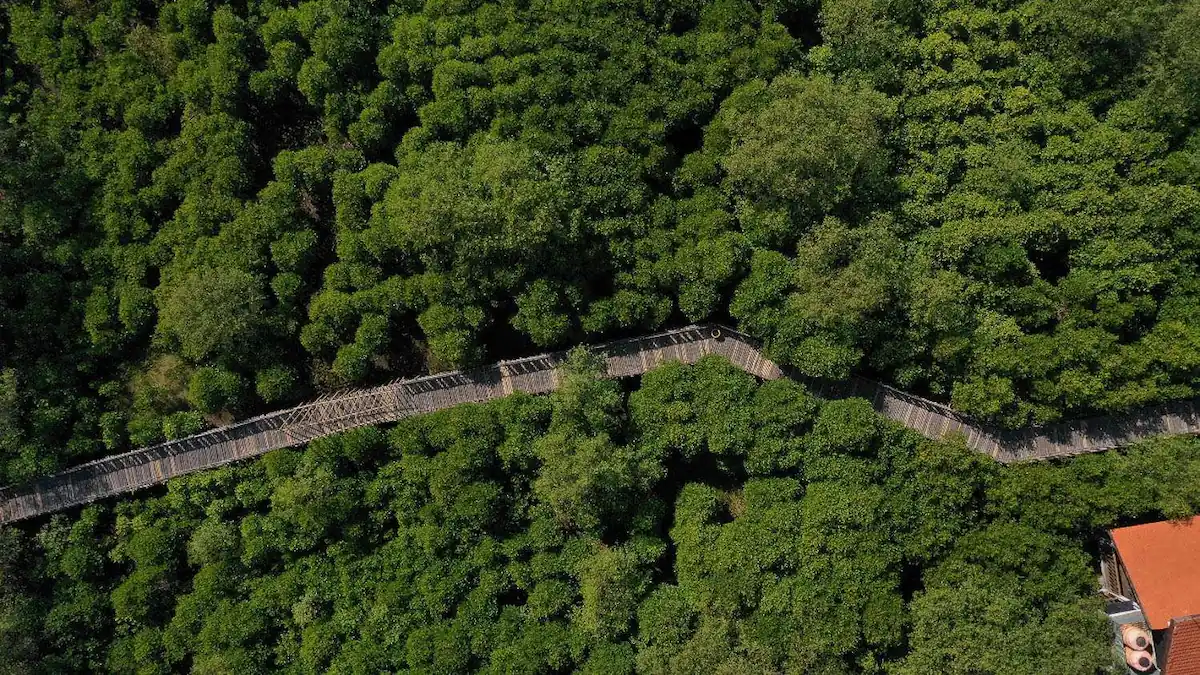
If you are on a trip to Surabaya, do not forget to stop by the Wonorejo Mangrove Forest Park. In the middle of the forest, there is a wooden bridge that you can walk along while enjoying views of the ocean and the beach.
Bale Mangrove Ecotourism, West Nusa Tenggara (NTB)
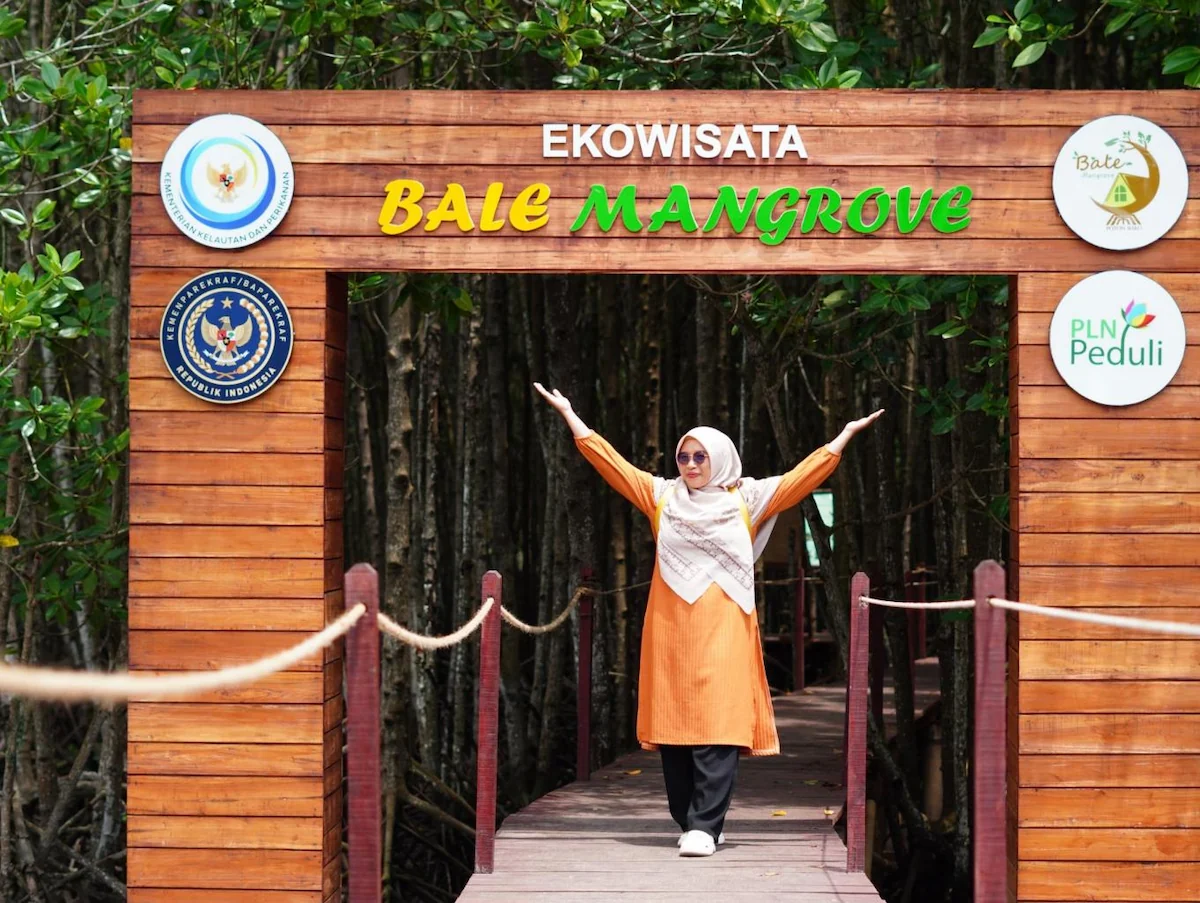
Bale Mangrove Ecotourism is located in Poton Bako Village, Jerowaru Subdistrict, East Lombok, NTB. The area features about six gazebos where you can relax. You can also go fishing in the front area. Admission to this mangrove ecotourism site is quite affordable, starting at 5,000 IDR.
That concludes the information on mangrove ecotourism, including its definition, role, and recommendations for places you can visit with your family or loved ones.
Mangrove forests play a vital role in environmental conservation, particularly in preserving habitats for flora and fauna and capturing carbon emissions. Therefore, let’s do our best to help protect the mangrove forest ecosystem!
In addition to preserving the mangrove forest ecosystem, we also need to keep the surrounding environment beautiful, clean, and comfortable. The good news is that you can help protect the Earth through simple, everyday actions.
For those who want to play a role in environmental conservation, joining a community is a wise choice. One community campaign you can join is Indonesia Asri.
Indonesia Asri offers many programs you can participate in to protect the environment while supporting the movement toward a greener Indonesia, such as the Warga Asri program.
By becoming Warga Asri, you will gain broader access to activities, exclusive environmental information, opportunities to build relationships with the community, and membership points that can be redeemed for exciting merchandise.
Do not hesitate any longer! Register now and show your best contribution to creating a more beautiful environment!
Read also: Reforestation: Benefits & How It Differs From Afforestation