Indonesia has one of the largest forest areas in the world, covering approximately 95.5 million hectares or about 51.1% of the country’s total land area. This area encompasses various types of forest ecosystems, including primary and secondary forests, which serve as one of the Earth’s lungs.
However, forest destruction due to illegal logging, land conversion, and fires has made reforestation a necessity in Indonesia. Reforestation is a crucial step in restoring damaged forest areas and maintaining the balance of ecosystems across the country.
If you want to learn more about reforestation and its benefits for the environment, check out this article for a detailed explanation!
What Is Reforestation?
According to the Food and Agriculture Organization (FAO), reforestation is the replanting of trees on land that was previously forested but lost its forest cover over a certain period, either due to human activity or natural disasters.
Reforestation aims to restore forests’ role in maintaining ecosystem balance, reducing the impact of climate change, and protecting biodiversity.
Historically, reforestation became widely known as a systematic effort in the 19th and early 20th centuries, when large-scale deforestation for agriculture, timber, and development caused significant forest damage in Europe and North America.
Since then, reforestation has become an important activity in many countries to preserve the environment and support sustainable development.
Benefits of Reforestation
Here are some benefits of reforestation for environmental sustainability that you should know:
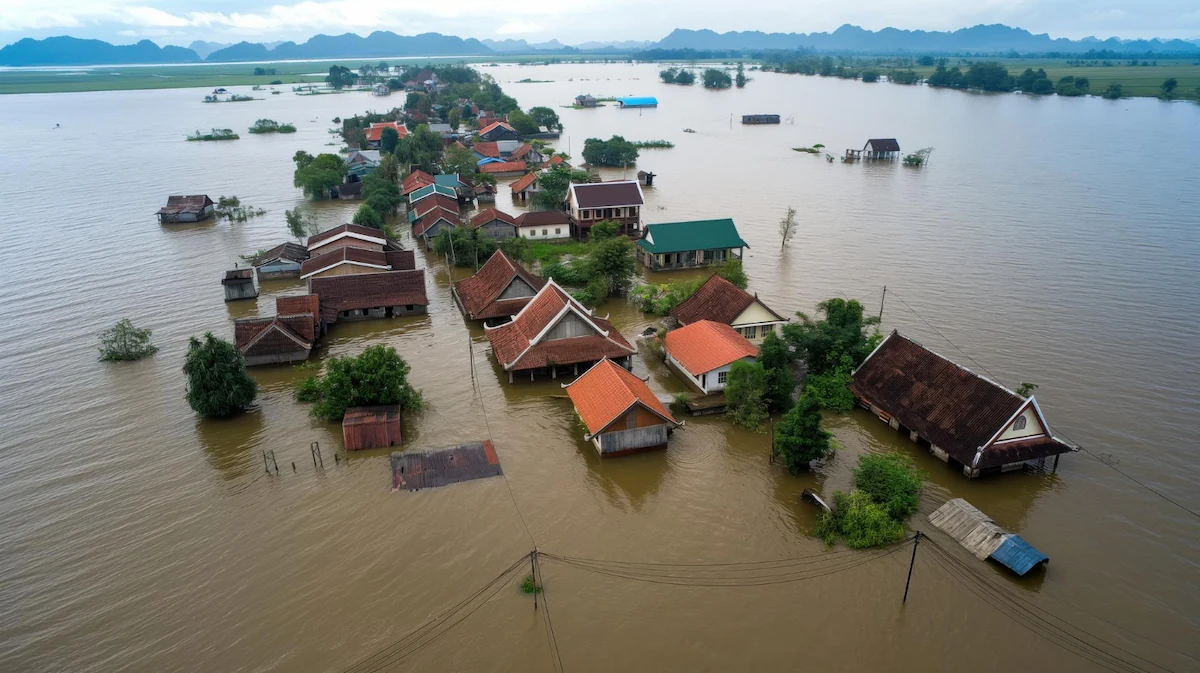
- Reducing soil erosion and preventing flooding.
- Absorbing carbon dioxide to help mitigate climate change.
- Maintaining biodiversity and animal habitats.
- Improving air quality and the surrounding environment.
- Restoring the function of damaged forest ecosystems.
- Becoming a source of sustainable wood and forest products.
- Maintaining hydrological balance and water sources.
Read also: Net-Zero Emissions: The Concept and How to Achieve It
Examples of Reforestation in Indonesia
Various reforestation programs have been successfully implemented in Indonesia to restore damaged and critically degraded forests. Here are some examples of reforestation in several regions that have been successful and provided ecological as well as social benefits to local communities:
Mangrove Forest Reforestation Project in East Java
The mangrove forest reforestation project in East Java focuses on restoring coastal areas affected by abrasion, deforestation, and ecosystem degradation. This program is implemented in various regions, including Surabaya, Banyuwangi, Situbondo, and Probolinggo, by planting millions of mangrove trees.
According to the Ministry of Environment and Forestry (KLHK), Indonesia has restored more than 600,000 hectares of mangrove forests since 2020. These efforts not only protect the health of coastal ecosystems but also support sustainable fisheries and the development of ecotourism for local communities.
Reforestation Project in Jeruklegi Wetan Village, Cilacap
One example of successful reforestation in Indonesia can be found in Jeruklegi Wetan Village, Cilacap. In the past, this area was barren land with a damaged ecosystem.
However, through reforestation involving the community’s active participation, planting various types of trees such as mahogany, albizia, and rain trees to improve soil quality and increase biodiversity, the area has been transformed.
Today, the area is lush and green again, providing habitat for wildlife such as birds and monkeys and bringing economic benefits to the surrounding community.
Riau Ecosystem Restoration Program (RER)
The Riau Ecosystem Restoration Program (RER) is an initiative to restore natural forests and peatlands in the Riau region that have been degraded by deforestation and forest fires. The program focuses on protecting and restoring peat ecosystems by replanting native vegetation and preventing further damage.
In addition to environmental restoration, RER also involves local communities through economic empowerment and conservation education. This approach makes RER an example of reforestation and ecosystem restoration that integrates environmental, social, and economic aspects in a sustainable way.
Read also: 10 Benefits of Protected Forests for All Living Creatures
What Can Be Considered Reforestation?
Many people often confuse what reforestation means on a grand scale. Reforestation is a restoration effort in areas that have been logged or damaged to replace lost trees, helping them return to a green state.
Reforestation is a part of forest restoration efforts. In general, forest restoration involves a more comprehensive approach to restoring the ecosystem. In addition to planting trees, the restoration also focuses on improving soil quality, managing water resources, and supporting biodiversity recovery.
How to Contribute to Reforestation
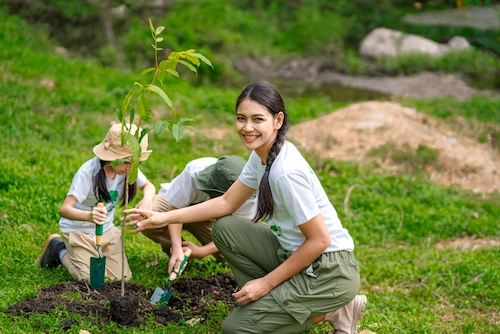
Everyone, including you, can support reforestation through simple steps or collective action. Here are some things you can do:
- Participate in tree planting programs organized by communities or the government.
- Donate or adopt trees to support reforestation.
- Plant trees around your house or vacant land with suitable plant species.
- Support forest protection policies and campaigns.
- Educate and encourage others to care about reforestation.
- Become a volunteer for forest care and monitoring.
That concludes our discussion on reforestation, from its definition and benefits to examples of its implementation in Indonesia. Reforestation is an essential step in restoring damaged forests, maintaining ecosystem balance, and supporting climate change mitigation.
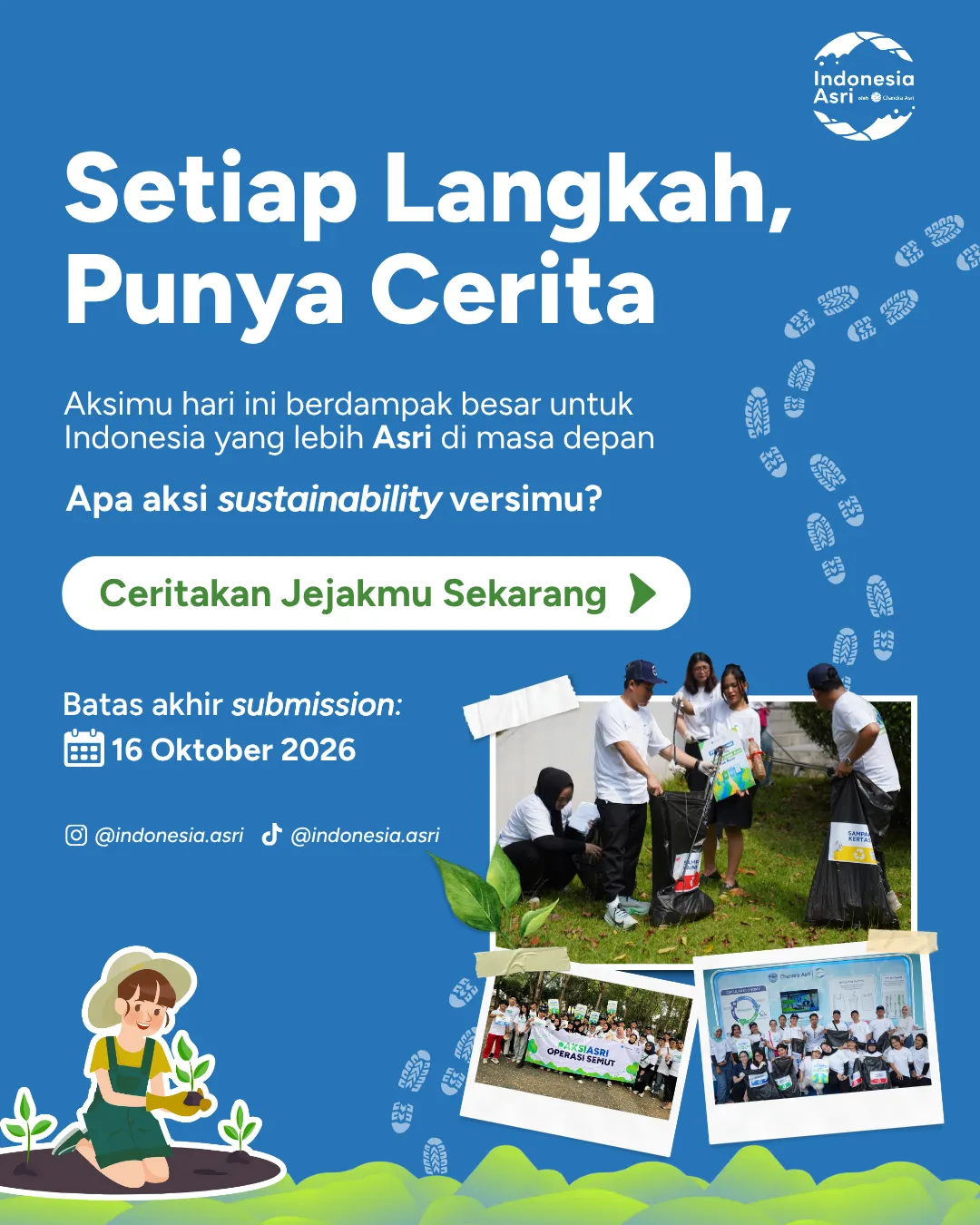
If you want to make a real contribution to environmental conservation, you can join Indonesia Asri through the #AksiAsri program. This program offers a range of inspiring activities, including tree planting, environmental education, and nature conservation initiatives that have a direct impact.
Register now and become an active Warga Asri to support reforestation for a greener, healthier, and more sustainable Indonesian forest. Together, with consistent small steps, let’s protect nature for future generations!
Read also: Mangrove Forest, Coastal Ecosystems With Countless Benefits