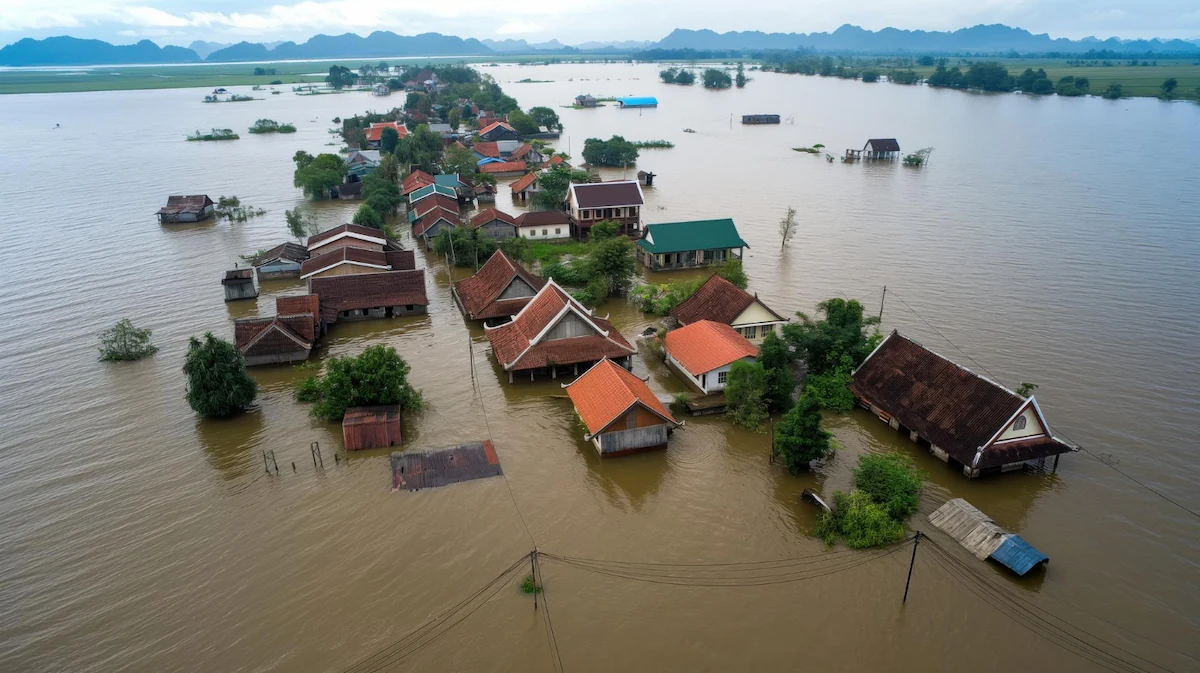
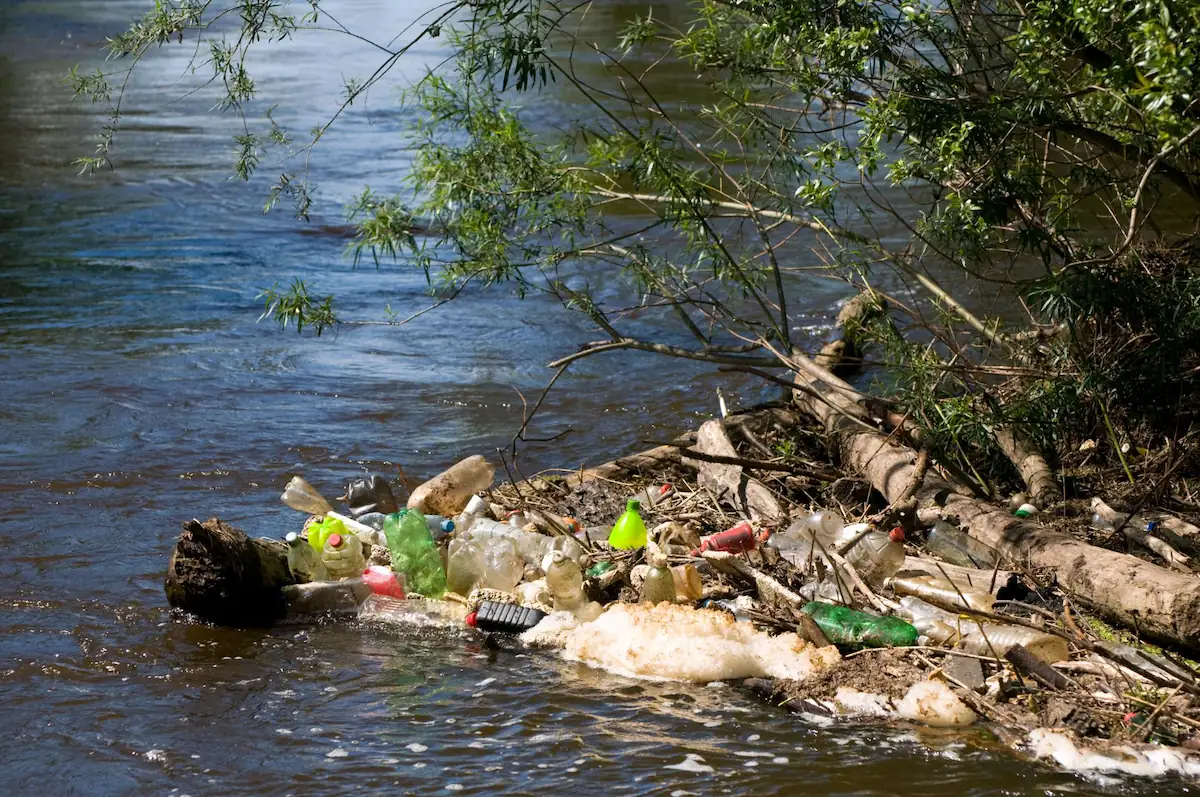
Rivers play an important role as sources of water, for irrigation, for transportation, and for energy. However, river pollution has become a serious problem, including pollution from liquid waste, which can damage ecosystems and endanger human health.
If left unchecked, river pollution can reduce environmental quality and the quality of life for communities. Read this article to learn about its causes, impacts, and how to prevent it.
What Is River Pollution?
River pollution is the contamination of river water by harmful substances and materials, originating from both human activities and natural processes.
These pollutants can take the form of industrial waste, domestic wastewater, agricultural runoff, and improperly disposed household waste.
The entry of these materials into rivers can degrade water quality, threaten the health of people who rely on river water for drinking or bathing, damage the habitats of fish and other aquatic organisms, and disrupt the balance of river ecosystems.
Pollution that is allowed to continue not only has short-term impacts but can also cause long-term environmental damage and reduce the quality of life of surrounding communities.
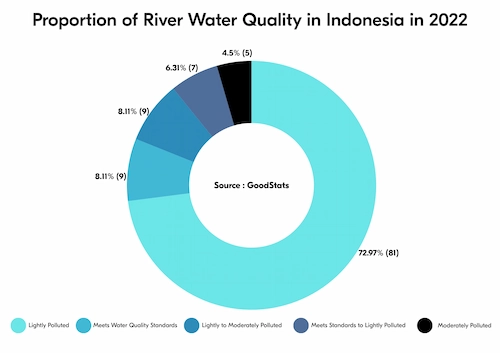
Based on data released by GoodStats from the Indonesian Ministry of Environment and Forestry in the Indonesia Statistics 2023 book, more than half of the rivers in 34 provinces are polluted. (Newly established provinces in Papua are not yet included.)
Of the 111 rivers studied (9 of which flow through two provinces), about 81 rivers, or 73%, are classified as lightly polluted. Around 8% fall between lightly polluted and moderately polluted.
A total of 9 rivers, or 8%, meet the Class II river water quality standards, while another 7 rivers (6%) fall between meeting the quality standards and being lightly polluted.
There are also 5 rivers (4.5%) that are moderately polluted, such as the Ancar, Babak, and Brang Biji rivers in West Nusa Tenggara, the Saddang river in South Sulawesi, and the Citarum river in West Java.
One notable case of river pollution in Indonesia is the Citarum River. The upstream portion of the Citarum River Basin (watershed) contains critical land areas that frequently cause soil erosion to enter the river.
In addition, large amounts of household waste and industrial effluents have further contributed to the poor water quality along the river.
Causes of River Pollution
River pollution can result from various causes. Some of the leading causes are as follows:
Industrial Waste
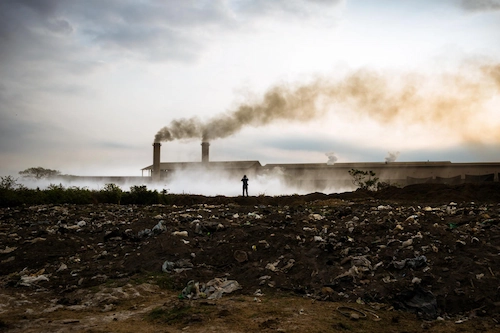
Wastewater from factories contains substances that are harmful to rivers and the surrounding environment. For example, waste from textile and paper factories usually has an unpleasant odor and is classified as organic waste.
This industrial waste consists of materials that can decompose, such as dye residues, paper pulp, and mild chemicals, which can degrade water quality and disrupt the lives of fish and other aquatic organisms when discharged into rivers.
Meanwhile, waste from steel, paint, or pharmaceutical factories has different characteristics. This type of waste is typically a hot, foamy liquid containing sulfuric acid that emits a strong, pungent odor.
Such waste is classified as inorganic waste because it originates from chemical substances that do not readily decompose in the environment. When released into rivers, inorganic waste can damage ecosystems more rapidly, endanger aquatic organisms, and even trigger dangerous chemical reactions in the water.
Read also: Differences between Waste and Garbage, Don’t Misunderstand!
Household Waste
Household waste refers to waste generated from daily activities, including homes, markets, offices, restaurants, and construction sites. This waste is divided into three types.
First, organic waste, such as food scraps, fruit peels, vegetables, and leaves, can decompose naturally through microbial activity, making its environmental impact relatively mild.
Second, inorganic waste, such as glass, aluminum, cans, and Styrofoam, is difficult to biodegrade and, if improperly disposed of, can accumulate in rivers or oceans and disrupt ecosystems.
Third, hazardous waste, such as used oil, batteries, and household and workshop chemicals, can endanger human health, animals, and the environment if not properly managed.
Proper management of all three types of waste is essential to maintain water quality and keep the environment clean and safe for all living beings.
Agricultural Waste
The agricultural sector can also contribute to pollution, especially from the use of fertilizers and chemical substances. One example is insecticides, which are indeed used to eliminate pests.
However, because they are chemical-based, excessive use can have harmful effects on health, such as triggering increased growth of the thyroid gland. Therefore, the use of chemicals in agriculture must be done carefully to ensure safety for humans and the environment.
Impacts of River Pollution
River pollution is not only associated with declining water quality but also with serious consequences. Here are some impacts of river pollution that you should be aware of:
Ecosystem Damage

Water pollution makes it difficult for living organisms in rivers, lakes, and seas. Harmful substances in the water can kill fish and other aquatic animals.
Excess nutrients, such as those from household waste or agricultural fertilizers, can cause algal growth to exceed the carrying capacity of the environment. These algae absorb oxygen from the water, depriving fish and other organisms of oxygen and ultimately causing their death.
Moreover, pollution damages natural habitats such as coral reefs and wetlands, which should serve as homes and breeding grounds for various aquatic species.
Disease
Polluted water can endanger human health. If it contains bacteria, viruses, or parasites, the water can cause diseases such as diarrhea, dysentery, cholera, and hepatitis.
Moreover, water contaminated with toxic chemicals also poses the risk of serious illnesses, including cancer, nerve damage, and other health problems.
Read also: What Is Electronic Waste and What Are the Impacts on Nature?
Clean Water Crisis
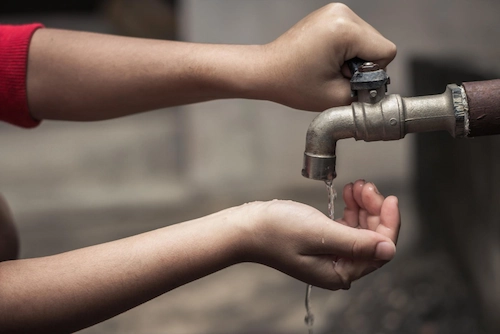
Water pollution reduces the availability of clean water for daily needs such as drinking, bathing, and irrigation.
Contaminated water must be cleaned or treated before it can be used, and this process usually requires high costs. In areas already facing water shortages, pollution can exacerbate the clean water crisis.
Economic Losses
Polluted water can harm the economy in various sectors. Fishermen may lose fish due to death or contamination, reducing their income. Tourist destinations, such as beaches or lakes, also become less attractive to visitors.
Farmers can also suffer losses because dirty irrigation water can damage crops and reduce yields. In other words, water pollution not only harms the environment but also imposes economic burdens on communities that depend on these water sources.
Social Impacts
Water pollution can trigger serious social problems. When clean water becomes scarce, communities may compete for it, leading to conflict. Some people may even be forced to relocate to find safe water.
Moreover, agricultural output and fish catches can decline due to water pollution, thereby reducing incomes and increasing poverty. Thus, poor water quality not only harms the environment but also affects people’s lives and overall well-being.
Solutions to River Pollution
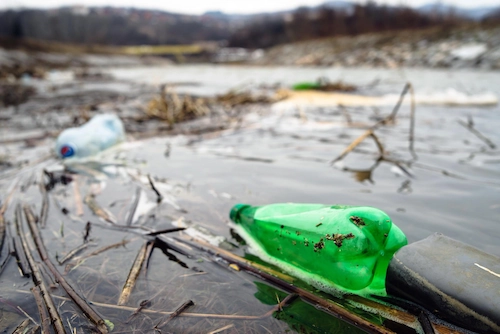
Addressing water pollution requires the efforts of multiple parties, including the government, industry, communities, and individuals.
The approach must be comprehensive, encompassing prevention and control, as well as the restoration of damage. Here are steps that can be taken:
- Waste Treatment: Waste from both industrial and household sources must be treated before discharge into rivers, lakes, or seas. With proper treatment, harmful substances can be removed, making the water safe for humans, animals, and surrounding plants.
- Clean Technology: Companies are encouraged to adopt environmentally friendly technologies to minimize or eliminate waste. This approach also reduces the use of hazardous chemicals and helps conserve natural resources.
- Sustainable Agriculture: Agricultural practices need to be improved to reduce the use of fertilizers and pesticides. For example, using organic fertilizers, controlling pests naturally, and maintaining soil fertility can sustain high crop yields without harming the environment.
- Water Conservation and Management: Reducing water use can reduce waste generation. In addition, wastewater can be recycled and rainwater collected and reused, thereby increasing water-use efficiency and reducing pollution.
- Monitoring and Law Enforcement: The government needs to monitor water quality regularly, ensure that industries and the agricultural sector comply with regulations, and impose strict sanctions on polluters to minimize pollution.
- Education and Public Awareness: Communities must be educated about the importance of protecting clean water through campaigns, training, and school education. This awareness encourages more responsible environmental behavior.
- Ecosystem Restoration: Damaged rivers, lakes, and other aquatic habitats require restoration. This can be achieved by removing pollutants, replanting vegetation, and rehabilitating habitats for fish and other marine organisms, thereby enabling ecosystem recovery.
- International Cooperation: Since water pollution is a global issue, countries need to collaborate by sharing information, technology, and resources to address it more effectively.
This concludes the discussion of river pollution and its solutions. Keeping rivers clean is a shared responsibility for maintaining balanced ecosystems and ensuring that water is safe for daily use.
To participate more actively, you can join Indonesia Asri through the #AksiAsri campaign. This program offers various fun and meaningful activities, such as river clean-ups, community education on waste management, and other eco-friendly challenges.
Register now to become an active Warga Asri in maintaining clean, healthy rivers that are suitable for all forms of life. Through collective action, we can ensure that rivers remain a source of sustainable life.
Read also: Indonesia Textile Waste Problem: Facts You Need to Know