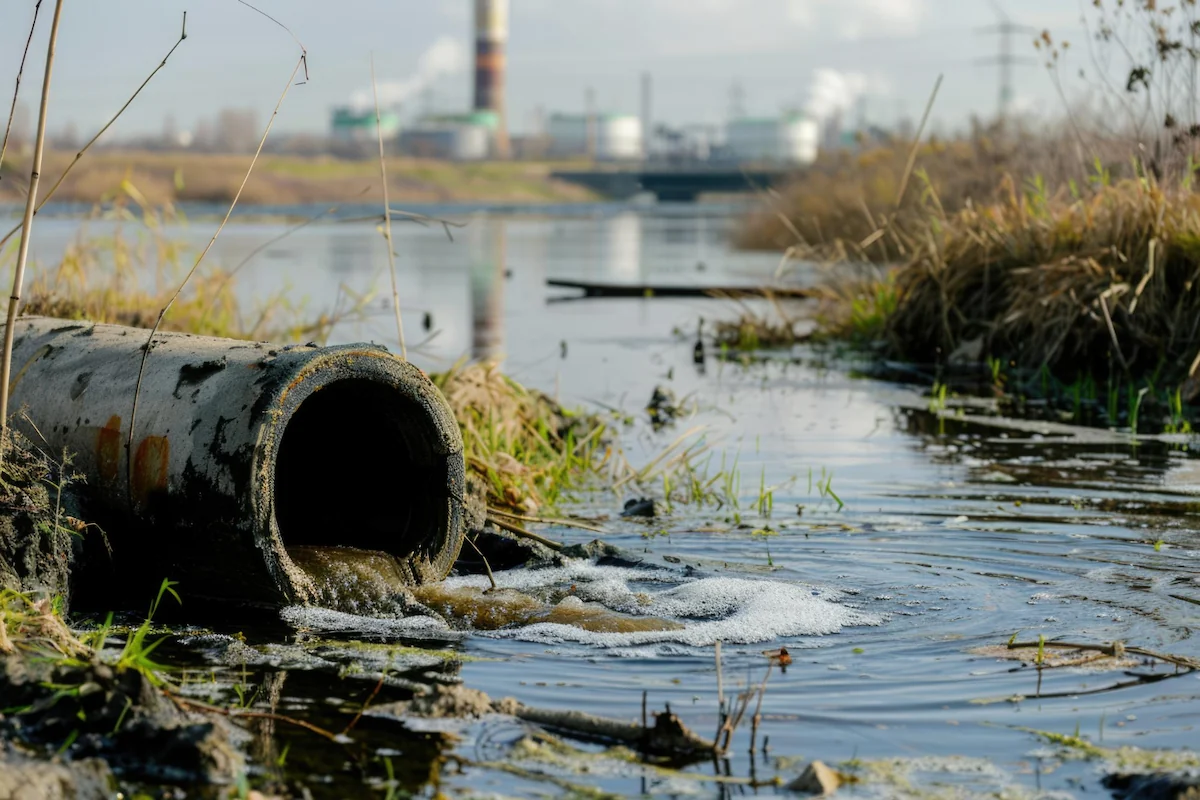
There are many examples of water pollution around us, from household waste and industrial activities to trash carelessly dumped into rivers. Unbeknownst to many, these small habits can have a big impact on water quality and the surrounding ecosystem.
Therefore, it is important to be more aware of the various causes of pollution that are often considered trivial. For more information about the impacts of water pollution and ways to prevent it more deeply, read the complete explanation in this article.
Examples of Water Pollution
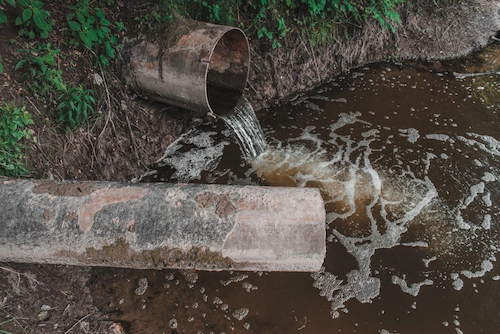
Water pollution remains a serious problem in Indonesia. Based on data from the Ministry of Environment (KLH), which monitored 1,482 rivers at 4,482 locations, around 70.7% of rivers in Indonesia were polluted in 2025.
This condition shows that water pollution can occur in various regions and is often triggered by everyday activities that go unnoticed. Without proper waste management, water quality will continue to decline, impacting health and the environment.
Therefore, you need to understand various common examples of water pollution so that you can be more aware and help protect the surrounding environment. Here are some examples that are often found:
Domestic Waste
Daily activities such as washing, bathing, and cleaning the house generate domestic waste that is often discharged directly into waterways. This waste generally contains detergents, soap, and other chemicals that can pollute water sources.
If not properly managed, domestic waste can reduce water quality and disrupt the balance of the ecosystem. In the long term, this condition also poses a risk to human health for those who use the water for daily needs.
Industrial Waste
Industrial waste generally contains hazardous chemicals such as heavy metals and toxic compounds that can pollute water sources. If this waste is disposed of without proper treatment, the surrounding water can become contaminated and no longer safe to use. The impact not only damages the environment but also endangers living beings that depend on the water.
Read also: 10 Effective Efforts to Overcome Environmental Pollution
Construction and Development
Construction and development activities in urban areas can be a source of water pollution if not managed properly. Materials such as sand, cement, and dust can easily be carried by rainwater into drains or nearby rivers.
As a result, the water becomes turbid, and its quality deteriorates, which can disrupt the lives of organisms in it. In addition, leftover chemicals from the construction process can pollute water if not handled properly.
Surface Runoff
When it rains in urban areas, water can carry various pollutants from the road surface, such as oil, heavy metals, and leftover chemicals from vehicles.
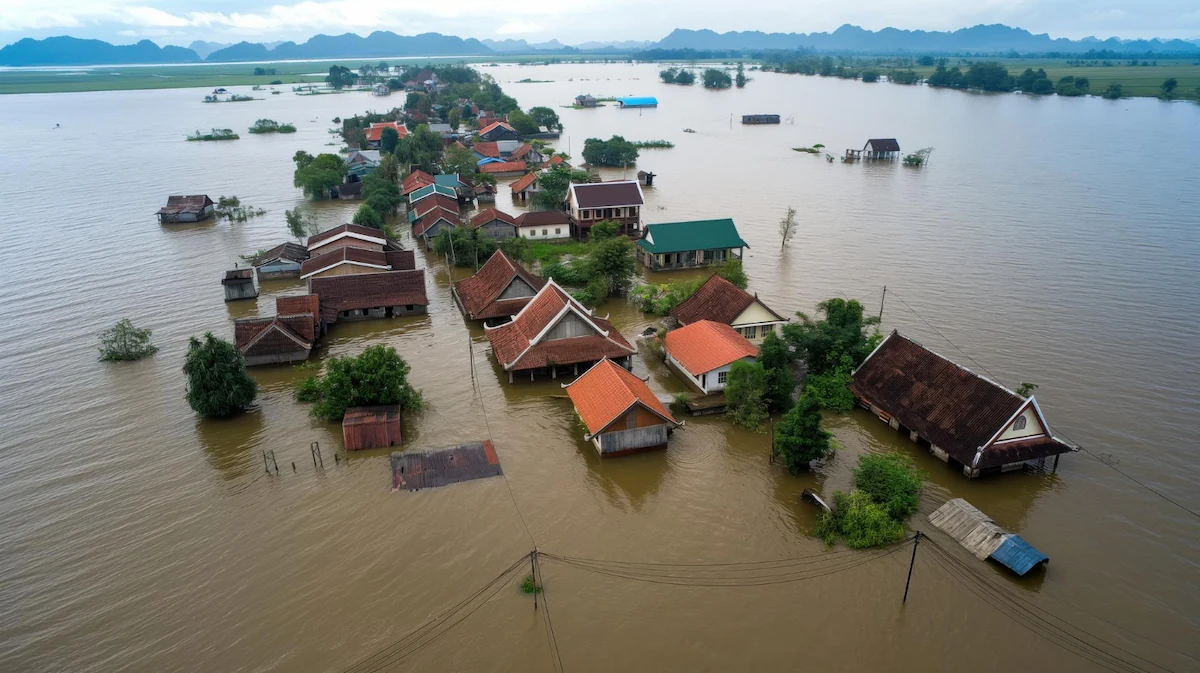
This runoff then flows into drains and eventually enters rivers or lakes. As a result, it affects water quality, and pollution can increase significantly. This condition is often observed during floods, when pollutants from urban areas are carried into rivers.
Pollution from Agriculture
Agricultural activities also contribute significantly to water pollution, particularly through the excessive use of fertilizers and pesticides. These substances can be carried by rainwater into rivers or lakes, contaminating surrounding water sources.
The chemical content in pesticides, herbicides, and fertilizers can trigger excessive algae growth, reducing oxygen levels in the water. As a result, this condition can disrupt ecosystems and threaten the survival of fish and other aquatic organisms.
Oil Spills at Sea
Oil spills at sea usually result from ship accidents or leaks during distribution. Oil floating on the water surface can block the entry of oxygen and sunlight. This can damage marine ecosystems and threaten the life of the organisms within them.
Pollution from Poor Drainage Systems
Inadequate drainage systems can cause waste to flow directly into rivers or other water sources. This often occurs in areas with suboptimal sanitation or poor liquid waste management.
As a result, the water becomes polluted and unsuitable for daily use, potentially causing various health problems.
Read also: How to Reduce Water Pollution to Maintain Water Quality
Impact of Water Pollution
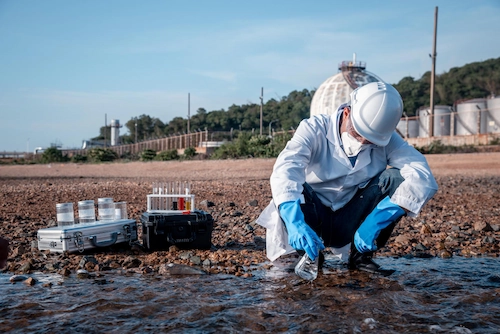
Water pollution not only degrades environmental quality but also has serious consequences for human life and other living beings. Here are some impacts of water pollution that you need to know:
- It causes unpleasant odors and changes in water color.
- It lowers water quality, making it unsuitable for daily use.
- It increases the risk of disease spread from harmful microorganisms.
- It damages aquatic ecosystems and threatens the lives of fish and aquatic organisms.
- It causes excessive algae growth, which lowers oxygen levels in the water.
- Indirectly, it disrupts economic productivity in the fisheries and tourism sectors.
How to Prevent Water Pollution
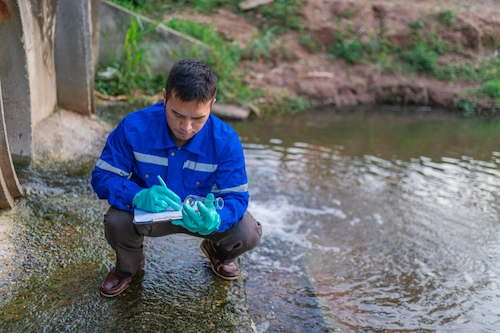
Preventing water pollution can start with simple steps that you take every day. With wiser habits, you can help maintain water quality so it remains clean and safe to use. Here are some ways to prevent water pollution that you can apply:
- Keeping the surrounding environment clean to prevent pollution of water sources.
- Not disposing of chemicals, oil, or hazardous waste into rivers or water channels.
- Supporting good water treatment and sanitation programs in the surrounding environment.
- Using cleaning products in moderation and choose more environmentally friendly ones.
- Reducing the excessive use of fertilizers and pesticides to avoid polluting water sources.
- Supporting environmental conservation efforts, such as participating in river-cleaning activities or environmental education.
That concludes the explanation of examples of water pollution, from causes and impacts to prevention methods. Understanding this is important so that you can be more aware of how to maintain water quality and prevent environmental damage at an early stage.
To advance environmental sustainability, you can contribute more broadly by joining the environmental care movement through Indonesia Asri.
Through the Jejak Asri campaign, you can share stories and real actions you take to practice an eco-friendly lifestyle.
Even more exciting, you have the chance to win prizes worth up to millions of rupiah if the story you share is selected. So, immediately share your experience before October 16, 2026!
Read also: River Pollution: Causes, Impacts, and How to Address It