Key Takeaways
- Littering happens because of bad habits, lack of awareness, limited facilities, and poor waste-sorting practices.
- Other behaviors to avoid include burning waste, throwing it into rivers, burying it, and mixing all waste.
- Sorting waste. Carrying it until you find the right disposal site, as well as keeping public spaces clean, can help reduce littering.
You may have found trash lying on the street, in drains, or other places, but not at waste disposal sites. It makes you wonder: why do Indonesians like to litter?
In fact, this bad behavior doesn’t happen without a reason. It can be influenced by several factors in daily life. So, let’s discover the reasons and how to address it in this article!
Why Do Indonesians Like to Litter?

We may feel familiar watching trash on the street, piling up in corners, or scattered about after an event.
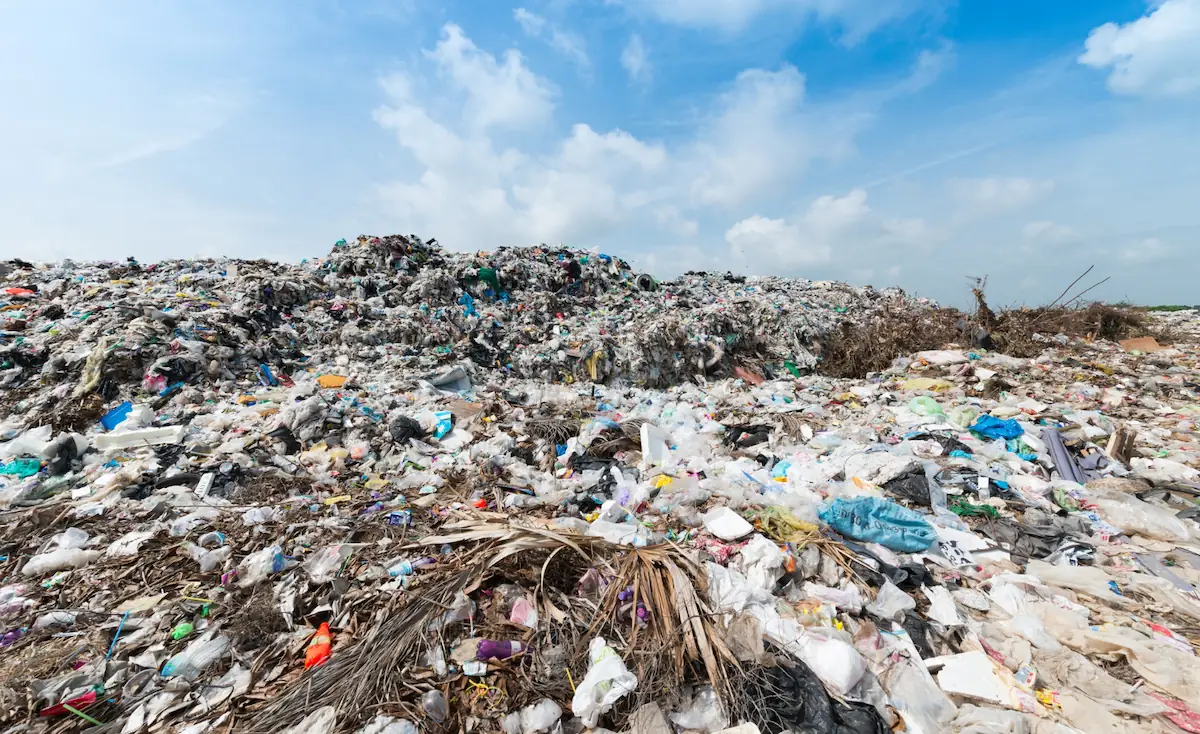
According to the Ministry of Environment’s SIPSN 2026, about 75% of waste generated across Indonesia’s 514 regions and cities is not managed properly; it doesn’t reach processing facilities or landfills and may end up polluting the environment. This shows that waste remains a major environmental management challenge.
What makes it interesting is that this issue is reflected by people’s behavior in everyday life. According to a 2024 GoodStats survey, more than half of the respondents admitted they don’t always dispose of trash in designated bins. About 42.9% of respondents said they do it occasionally or depending on the conditions, 7% said they do it rarely, and 1.2% said they never do it.
On the other hand, awareness of littering remains low. About 83% of respondents are aware that their behavior may negatively impact the environment. Meanwhile, 95.4% supported strict penalties for littering.
This gap between insight and behavior shows that awareness alone cannot make people consistently practice proper waste management habits. Several factors contribute to littering, including:
- Littering has become a habit: Repeated actions can become normal, especially when individuals frequently see those around them doing the same thing.
- Lack of awareness regarding waste management: Some people may not yet fully grasp the importance of managing waste properly, such as sorting waste and ensuring it is handled according to its specific type.
- Waste management infrastructure and facilities are unevenly distributed: The availability of trash bins and facilities for sorting, collection, transportation, and processing varies by region. This situation can help the public manage waste properly.
- Waste sorting has not yet become a daily habit: Waste mixed at the source complicates collection and processing. In contrast, sorting waste earlier ensures it is managed by type and potential.
Read also: Indonesia Waste Management Issues: Challenges and Solutions
Other Bad Waste Disposal Behaviors in Indonesia
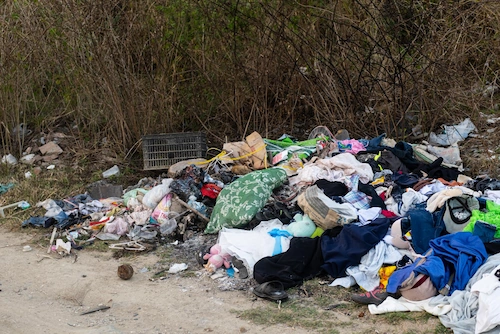
Besides littering, another bad waste disposal behavior that can harm the environment is as follows:
Indiscriminate Waste Burning
Some people still burn waste in open areas because they view it as a practical way to get rid of accumulated trash. However, open burning produces smoke and pollutants that can harm local air quality.
Dumping Waste into Rivers
Rivers are sometimes used as dumping grounds because they are easily accessible, and people assume the current will carry the waste away. It can obstruct river flow, pollute the water, and increase the risk of waste being transported elsewhere.
Burying Inorganic Waste
Burying inorganic waste in yards or vacant lots is also sometimes seen as a practical way to keep it out of sight. However, some waste takes a long time to decompose and can remain in the soil indefinitely.
Mixing All Types of Waste in One Container
Mixing different types of waste in a single container complicates sorting and processing. In contrast, sorting waste at the source ensures each type is handled according to its specific characteristics and potential, while also supporting a circular economy.
Leaving Waste Behind After Activities
Leaving trash behind after social gatherings, exercise, or any activity in public spaces is another habit to avoid. Taking one’s waste away and sorting it after an activity is a simple step toward keeping the environment clean.
Explore more: Beware! Don’t Underestimate This Waste in Your Home!
How to Reduce Littering Behavior
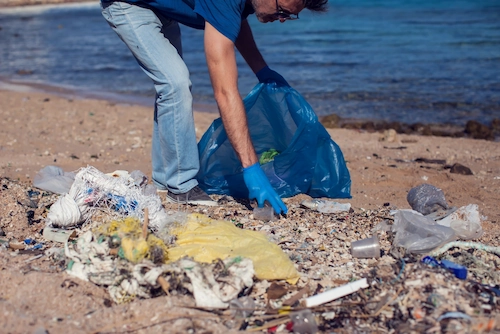
Reducing littering can start with simple actions taken consistently and collectively. Here are some ways to incorporate this into your daily life:
Understanding the Dangers of Littering
Littering does not solve waste problems; instead, it exacerbates them by polluting clean environments with scattered trash. Many Indonesians may not realize this, assuming sanitation workers will eventually clean it up.
If such a habit and mindset persist, trash will accumulate along roadsides, attracting disease-carrying insects. Decaying food waste can also pollute the environment.
Piles of trash create unpleasant odors and detract from the area’s aesthetic appeal. So, maintaining environmental health is not solely the responsibility of sanitation workers, but of everyone.
Carrying Trash until Finding a Proper Disposal Point
If you don’t find a trash bin nearby, don’t leave your waste behind. You can temporarily keep trash in your pocket or bag and dispose of it once you find a suitable bin, ensuring it does not end up on the street or in public spaces.
Cleaning Up after Activities in Public Spaces
After eating, socializing, exercising, or engaging in an activity in a public space, take a moment to check the surrounding area. Leave no trash behind, and sort waste by type before disposing of it or processing it further.
Join #AksiAsri to Help Preserve the Earth!
To reduce littering, start with simple actions such as sorting waste and ensuring it is managed properly. Also implement sustainable living through daily activities, such as choosing an environmentally friendly vehicle.
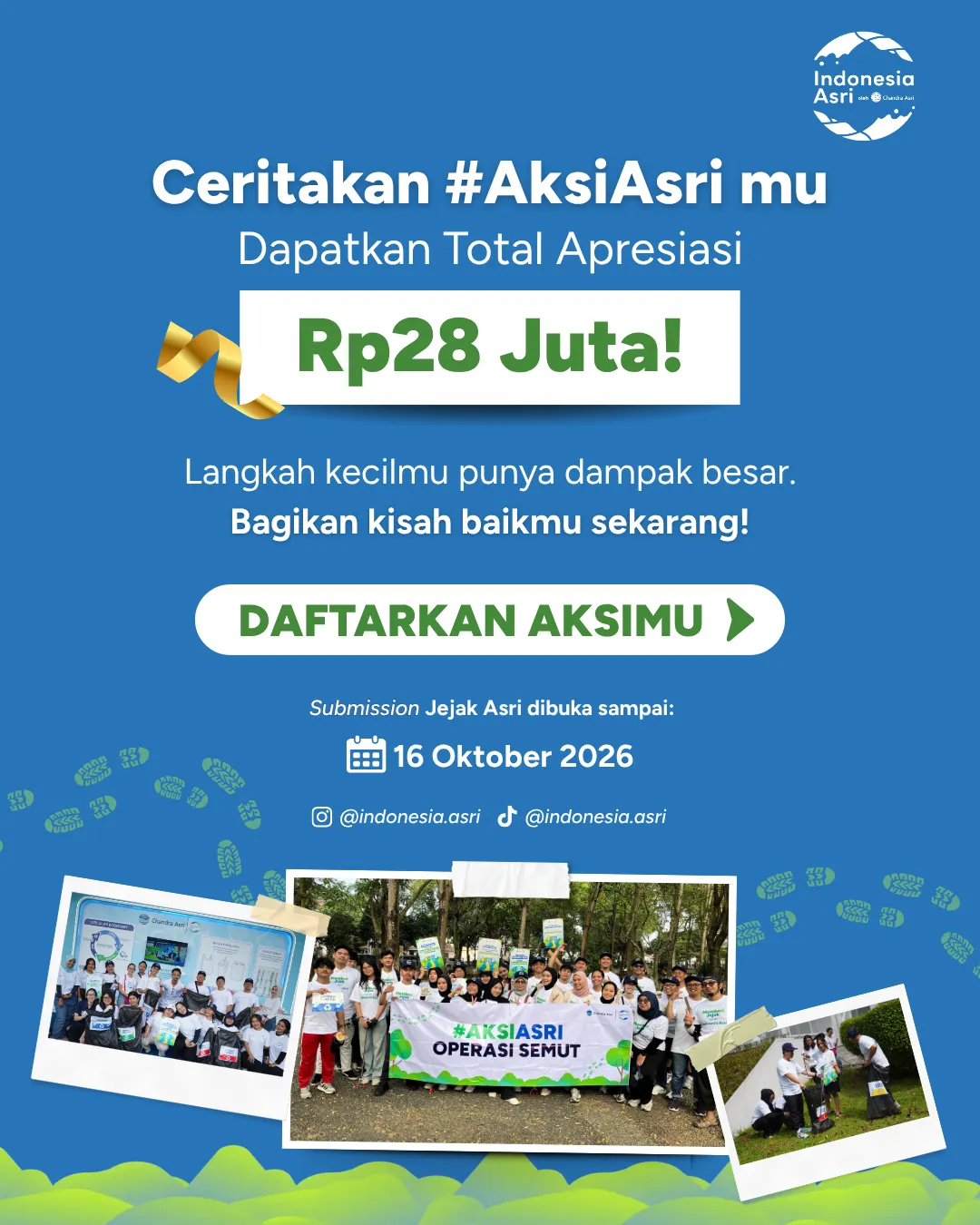
Caring for the environment isn’t limited to picking up trash when you spot it. It should be a part of your daily lifestyle. You can take further action by joining Indonesia Asri and participating in various #AksiAsri activities, such as Operasi Semut #pilahsampah.
So, sign up now and start taking real action to preserve the Earth!
Further reading: Waste Management System: Types, Stages, and Methods
Frequently Asked Questions (FAQ)
Let’s explore the following questions to better understand the waste problem in Indonesia, the impact of littering, and how to reduce it!
1. What Causes the Waste Problem in Indonesia?
Causes include littering behavior, uneven awareness of waste management, limited facilities and infrastructure, and the fact that waste sorting is not yet a common habit.
2. How Should We Fix the Littering Issue?
Start by making it a habit to dispose of trash in designated bins, sort waste at the source, process waste by type, and encourage those around us to maintain cleanliness.
3. What Are Three Environmental Impacts of Waste?
Three environmental impacts of waste are soil and water pollution, ecosystem disruption, and degraded environmental quality.