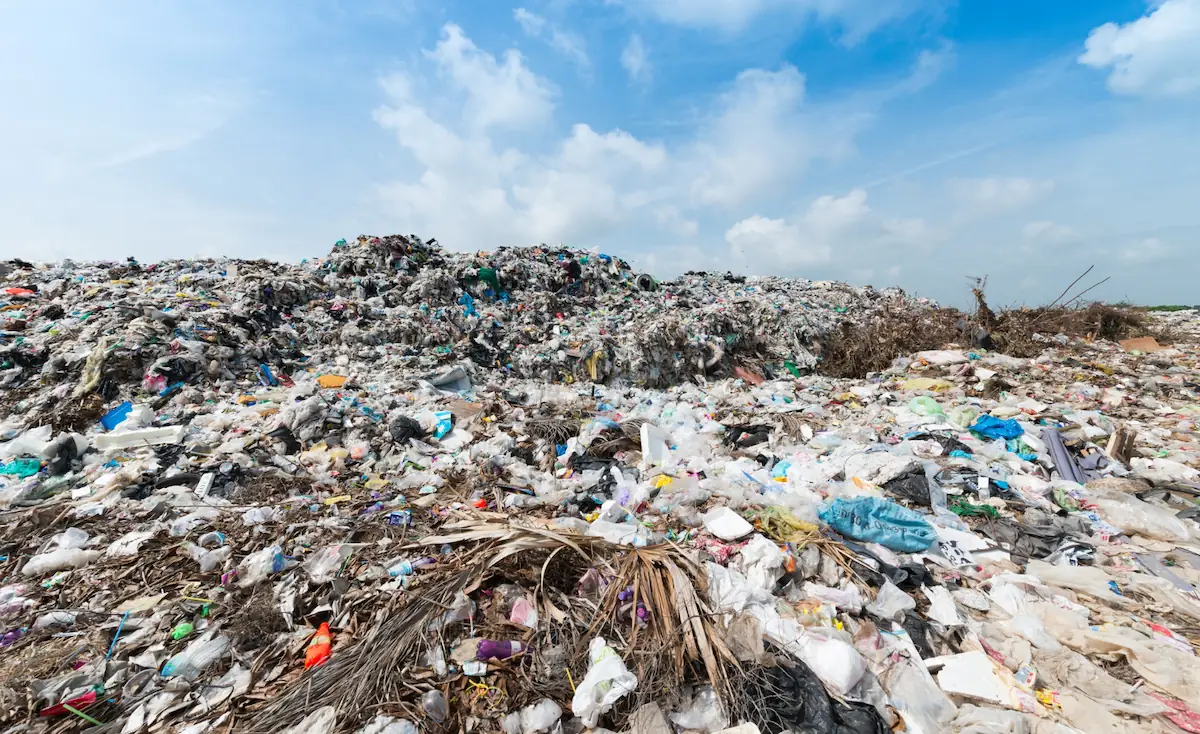

Organic waste, such as food scraps, may seem useless and in need of immediate disposal. In fact, various organic waste management methods can “transform” it into something useful.
So, what kinds of products can be produced, and what are the environmental benefits? Find a complete explanation along with examples of its management below!
The Importance of Organic Waste Management
Organic waste needs proper management because it offers several benefits. Here are several reasons why this process is important:
- Reducing odors and pests: Proper management can minimize unpleasant odors that arise during decomposition. This process also prevents the formation of piles that can become breeding grounds for pests.
- Optimizing the use of nutrients and energy: Organic waste still contains nutrients and can generate energy, including carbon, nitrogen, and minerals. If it is simply disposed of in a landfill, its nutrient content and energy potential are wasted. In fact, these components benefit plant compost.
- Reducing the risk of soil and water pollution: Decomposing organic waste can produce leachate. With proper management, leachate can be prevented from seeping into the soil and polluting water bodies, such as rivers and lakes.
- Reducing the risk of global warming: Organic waste buried in landfills can decompose without oxygen, producing methane, a gas that contributes to global warming. Processing organic waste before landfill disposal can reduce methane production from waste piles.
- Mitigating the risk of biodiversity loss: Proper organic waste management can reduce the risk of soil and water pollution as well as pressure on ecosystems. Consequently, it can minimize the risk of habitat destruction and biodiversity loss.
Examples of Organic Waste
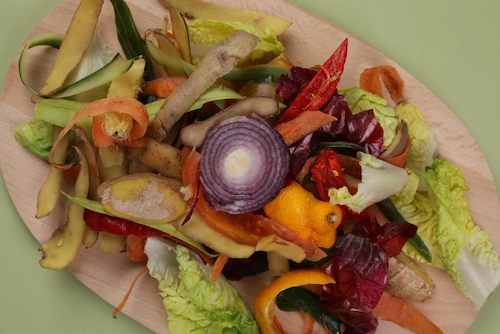
Organic waste is very common in everyday life. Here are some examples of organic waste you should know about:
- Fruit and vegetable peels.
- Dried leaves and flowers.
- Tree branches.
- Grass clippings.
- Food scraps, such as leftover dishes, vegetable cores, leftover rice, and others.
- Eggshells.
- Coffee and tea grounds.
- Newspaper and tissues.
- Animal fur, skin, and feces.
- Human hair and feces.
Explore more: 6 Examples of Alternative Energy & Its Projects in Indonesia
Benefits of Organic Waste Management
If you have a lot of organic waste at home, there are several benefits to be gained from processing it, including:
Reducing the Amount of Waste & Treatment Costs at Landfills
By processing organic waste, you can significantly reduce the amount of waste sent to landfills. As a result, waste will not pile up, landfill capacity will not fill up quickly, and transportation and treatment costs will also decrease.
Supporting Recycling and Waste Management Operators
Sorting waste from the start allows operators to separate organic and inorganic waste. Inorganic waste that still has value will be cleaner and easier to sort. This helps recycling operators because they do not have to handle too much organic waste mixed with the inorganic waste that will be processed.
Additionally, waste management becomes more targeted and efficient, as each waste type can be handled with the appropriate method.
More Environmentally Friendly
Organic waste processing is more environmentally friendly because it supports decarbonization, the effort to reduce dependence on fossil fuels, one of the primary sources of carbon emissions.
This happens when organic waste processing produces biogas that can be used as energy, potentially replacing some fossil fuel use.
Read more: Types of Waste Disposal Sites & What Makes Them Different
Differences Between Organic Waste, Green Waste, and Inorganic Waste
Organic, green, and inorganic waste differ in ways that affect how they are processed. Here is the information:
| Organic Waste | Green Waste | Inorganic Waste | |
| Source | Derived from organic materials and can decompose naturally through biological processes. | Derived from gardening, farming, or the maintenance of green spaces. | Derived from man-made materials and is difficult to decompose, thus requiring special treatment methods. |
| Examples | Food scraps and dry leaves. | Leaves, grass, and plant scraps (still considered organic waste). | Paper, glass, and metal. |
Examples of Organic Waste Management at Home
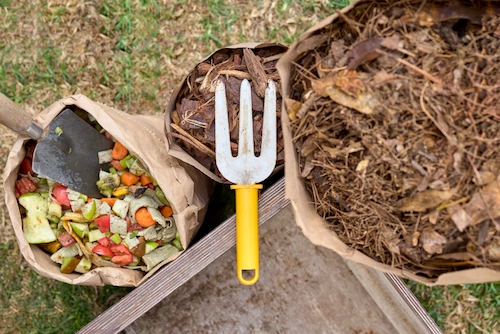
In communities, organic waste management is typically carried out using the following methods:
Composting
Composting is the most popular method of organic waste management. This process involves “green” materials high in nitrogen and “brown” materials high in carbon.
Green materials can include vegetable and fruit scraps, flowers, fresh grass clippings, green leaves, coffee grounds, or livestock manure. Meanwhile, brown materials can include twigs, dry leaves, wood chips, rice husks, ink-free cardboard, shredded paper, or nut shells.
To speed up composting, chop these materials into small pieces, then add supplementary materials such as wood ash, water, and a compost activator.
Turn the mixed materials occasionally to ensure oxygen circulates well throughout the pile and to prevent the waste from clumping together. Ideally, the compost will be ready around 4–6 weeks.
Eco-Enzyme Fermentation
Eco-enzyme is a liquid produced by the natural fermentation of organic waste. You can make this liquid from rainwater, air conditioner condensate, fruit or vegetable scraps, and sugar.
Jurnal Ilmiah Pengabdian kepada Masyarakat (2023) published a study on producing eco-enzyme in Pamulang, South Tangerang, Banten. The study concluded that the resulting eco-enzyme is used as a toilet cleaner, plant fertilizer, and odor neutralizer in drainage channels around the home.
Maggot Farming
Maggots are the larvae of the Black Soldier Fly (BSF) that can be farmed as a method of managing organic waste. These larvae feed on organic waste and can break it down rapidly.
Enzymes and bacteria in the maggots’ intestines support this decomposition process, helping break down organic matter into nutrients they can consume.
In addition to their speed of decomposing organic waste, maggot farming is popular because it doesn’t require much space and is cost-effective. Equally important, maggots do not release a fishy odor as long as you manage humidity and nutrition properly.
That concludes an overview of organic waste management commonly practiced at home, along with its benefits. With proper management, organic waste doesn’t have to end up as waste.
With consistency and a commitment to preserving the Earth, you can transform materials once considered useless into something useful. So, are you ready to compost organic waste at home?
Preserve the Earth & Inspire Others with Your Story Through Jejak Asri!
Composting organic waste is one of the many ways to practice sustainable living, a lifestyle that prioritizes environmental sustainability. You can also adopt this sustainable lifestyle by choosing more environmentally friendly vehicles.
You can also inspire others to create a greener Indonesia. Through the Jejak Asri program on Indonesia Asri, share stories about the concrete actions you have taken!
Through Jejak Asri, you can submit a story of at least 700 words, written in your own creative style. Add photos and videos to support your story. Later, a panel will judge the collected stories based on votes from visitors to the Indonesia Asri website.
Selected stories have the chance to win prizes worth millions of rupiah and be published on Indonesia Asri (terms and conditions apply). So, register now and submit your story before October 16, 2026!
More on this topic: Why Is Waste Sorting Important? Learn How to Do It at Home!