
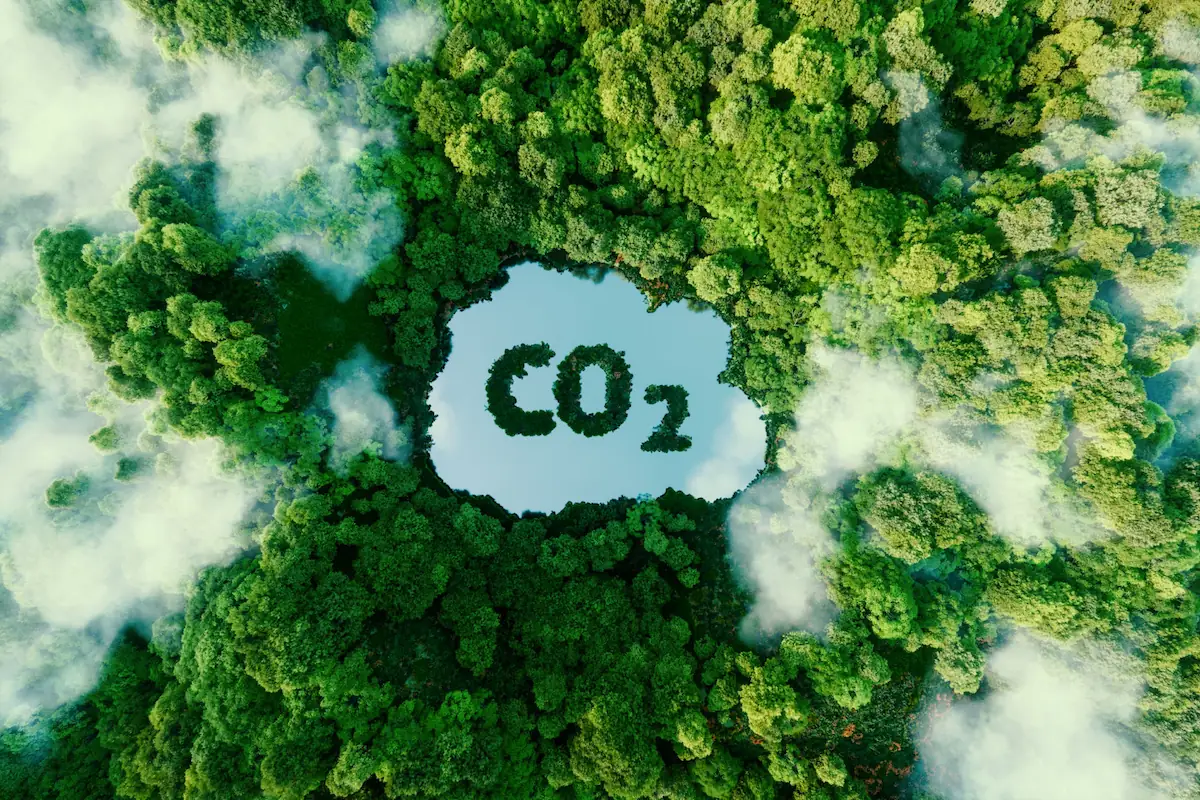
Climate change is becoming increasingly apparent and has a widespread impact on human life. Global temperatures are rising, extreme weather events are occurring more frequently, and environmental quality continues to decline. These conditions prompt various countries to seek more sustainable solutions.
One strategy widely discussed to address these challenges is decarbonization. Simply put, decarbonization is an effort to reduce carbon emissions while promoting the transition to clean energy. For more information, see the full explanation below!
What Is Decarbonization?
Decarbonization is a systematic effort to reduce or eliminate carbon dioxide (CO₂) and other greenhouse gases emitted by human activities into the atmosphere.
The decarbonization mechanism focuses on reducing dependence on fossil fuels such as coal, oil, and gas, which have been the main sources of carbon emissions.
In practice, decarbonization programs are implemented through various strategies, ranging from transitioning to renewable energy, improving energy efficiency, electrifying transportation, and utilizing carbon capture and storage technology.
Why Is Decarbonization Important?
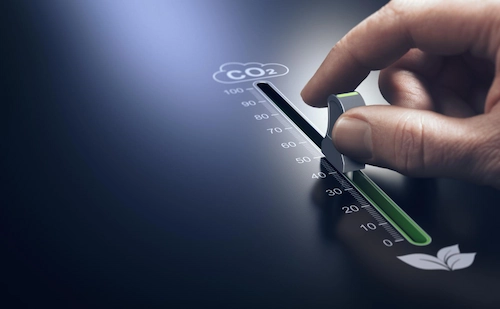
Carbon dioxide (CO₂) is a major contributor to global warming. As emissions continue to increase, not only does the Earth’s temperature rise, but the effects can also trigger increasingly complex environmental and social crises.
The crisis includes extreme weather, floods, droughts, and declining air quality, all closely linked to rising greenhouse gas emissions.
The Intergovernmental Panel on Climate Change (IPCC) report released in October 2018 even stated that communities on small islands and in tropical and subtropical countries in the Southern Hemisphere, including Indonesia, are at risk of experiencing more severe impacts of global warming.
The IPCC also stated that a 2°C temperature increase would have a much greater impact than a 1.5°C increase. The risk of drought, water crises, famine, disease, deaths due to extreme weather, forest fires, and ecosystem damage would increase dramatically.
In fact, if the Earth’s temperature exceeds 1.5°C in the coming decades, an estimated 10 million people will have to be relocated due to rising sea levels.
To keep the Earth’s temperature rise below 1.5°C above pre-industrial levels, many countries are targeting net-zero emissions by 2050.
Net-zero emissions means that the amount of emissions released into the atmosphere must be balanced by the amount reabsorbed, resulting in no net increase in emissions. To achieve this, rapid and consistent decarbonization measures are needed in various sectors.
Read also: How to Calculate Carbon Emissions and the Applications
Benefits of Decarbonization
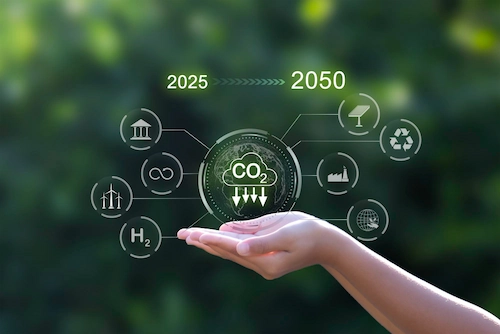
Decarbonization has broad positive impacts not only on the environment but also on health and the economy. Here are some of the main benefits:
Reducing the Impact of Climate Change
By reducing greenhouse gas emissions, decarbonization helps slow global warming. As a result, the risk of extreme weather events such as floods, droughts, and heat waves can be reduced. These efforts are important for maintaining ecosystem stability and food security.
Improving Air Quality
Reducing fossil fuel consumption means less air pollution. Cleaner air can reduce the risk of respiratory diseases and improve people’s lives. This way, urban environments also become healthier and more comfortable.
Promoting Green Economic Growth
The transition to renewable energy opens up new investment and job opportunities. Industries such as solar, wind, and electric vehicles continue to grow rapidly. This can create a more sustainable and innovative economy.
Minimizing Dependence on Fossil Fuels
Decarbonization helps countries reduce fossil fuel imports and increase energy independence. By utilizing local and renewable energy sources, national energy security is strengthened.
Supporting Net Zero Emission Targets
Decarbonization measures are key to achieving net-zero emission targets. When emissions released are balanced with those absorbed, the impact of climate change can be controlled. This is an important foundation for the sustainability of future generations.
Read also: Reforestation: Benefits & How It Differs from Afforestation
Examples of Decarbonization in Everyday Life

Did you know that decarbonization is not always about big policy-making or large-scale industrial projects? In everyday life, you can also help reduce carbon emissions through simple habits. Here are some examples of decarbonization that you can do:
- Use public transportation, ride a bike, or walk to reduce emissions from private vehicles.
- Switch to electric vehicles that produce lower emissions.
- Save electricity by turning off devices when unused.
- Use energy-efficient LED lights.
- Install solar panels at home to generate renewable energy.
- Sort and recycle household waste according to type.
- Reduce consumption of foods with high carbon footprints, such as meat-based processed products.
That concludes the information on decarbonization, from its definition to examples of steps that can be taken in everyday life. Decarbonization can be a crucial strategy for reducing carbon emissions and maintaining climate stability.
To support decarbonization efforts and protect the environment, join Indonesia Asri. Together with Indonesia Asri, you can contribute your best efforts to the environment.
Remember to share your small sustainable actions in a simple story by participating in the Jejak Asri campaign!
You can submit your inspiring stories until October 16, 2026. Do not miss out on this campaign because you could win prizes worth millions of rupiah!
Register now and contribute to preserving Indonesia’s environment!
Read also: What Is Deforestation? Definition, Impact, & How to Combat It