Warga Asri, who live near the landfills (TPA), are likely familiar with the pungent odor and changes in water quality. These conditions can result from a liquid known as leachate.
Leachate is a liquid that gradually causes various problems in the ecosystem. To learn more about the origin, characteristics, and dangers of leachate, let’s take a look at the following explanation.
What Is Leachate?
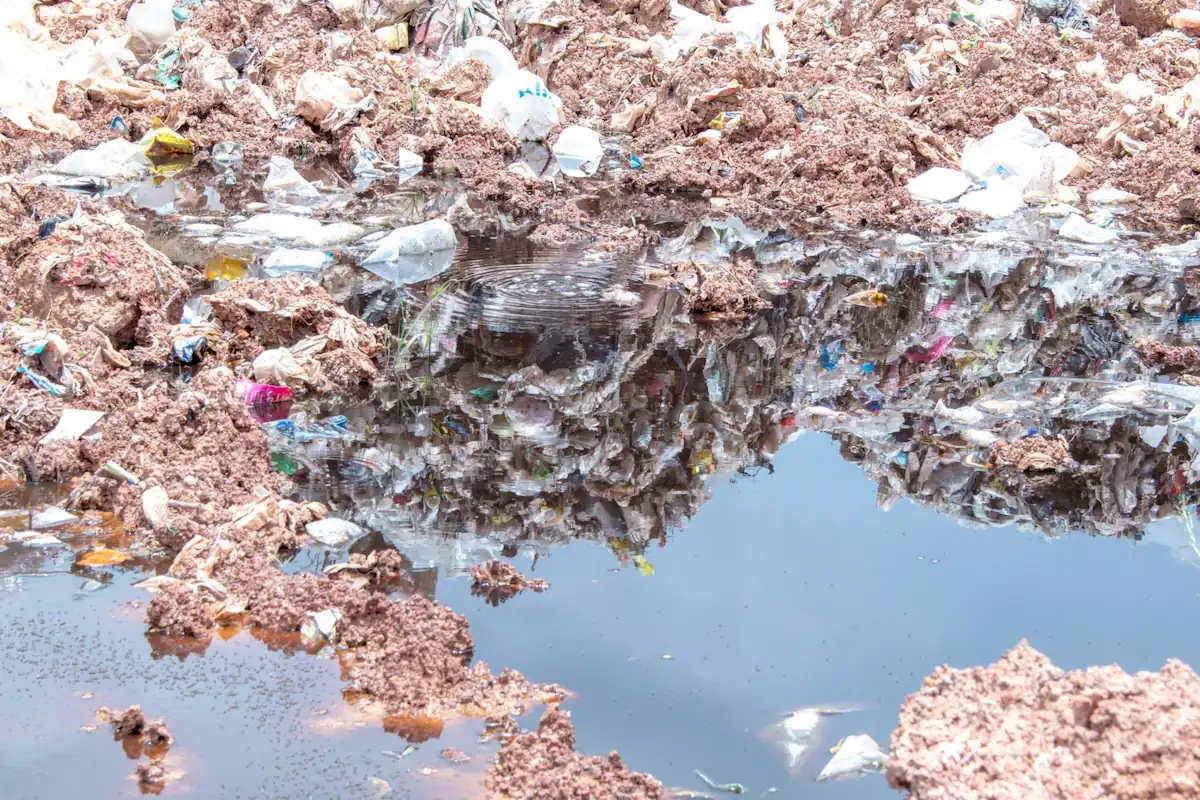
Leachate is a waste liquid formed when water pools in solid waste piles and dissolves substances from the waste.
Leachate is not ordinary dirty water but a hazardous liquid resulting from the decomposition of waste mixed with pathogenic bacteria, toxic chemicals, and organic and inorganic compounds. If not managed properly, this liquid poses a risk of serious environmental contamination around the landfill.
Characteristics of Leachate
The characteristics and composition of leachate vary significantly, depending on the type of waste deposited, the landfill’s stage, surrounding weather conditions, the amount of water entering the site, and landfill management practices. However, generally, leachate has the following characteristics:
- It is black or brownish in color when first discovered.
- It emits a pungent and unpleasant odor.
- It has a highly acidic or highly alkaline pH, depending on the type of waste deposited.
- It generally contains ammonia, pathogenic microorganisms (such as E. coli bacteria from feces), heavy metals (lead, mercury, cadmium, arsenic), and nitrates.
- It may appear as an oily film on the water’s surface (if from a spill).
Read also: What Is Liquid Waste? Definition, Types, & Examples
The Dangers of Leachate
Now that we understand the characteristics of leachate, it is time to learn about some of its potential dangers to watch out for:
Contaminating Water Sources
Many areas rely on groundwater as their primary source of clean water. However, landfill leachate can seep or flow into nearby waterways and soil.
Worse still, pollutants in leachate can persist in the soil for a long time. This is because oxygen levels in groundwater tend to be low, slowing the natural decomposition process by microorganisms. Ultimately, groundwater sources can become contaminated, making them potentially unfit for use.
Degrading Soil Quality
As mentioned earlier, two components in leachate are ammonia and lead. Ammonia is produced from the anaerobic decomposition of organic waste. Anaerobic environments can generate ammonia at levels high enough to be classified as toxic.
On the other hand, lead is a heavy metal that does not decompose, so it can settle in soil and contaminate it. This condition has a detrimental effect on soil microorganisms that aid in the nutrient cycle and maintain soil health. If this occurs, a decline in soil fertility is difficult to avoid.
Causing Illness in Humans
If water sources are contaminated with pathogenic microbes (e.g., Escherichia coli and Salmonella spp.) and parasitic organisms (e.g., protozoa and parasitic worms), people may develop skin rashes. Not only that, exposure to mercury and cadmium in water can also trigger various serious health issues, such as diarrhea, kidney failure, and even cancer.
Meanwhile, if the soil is contaminated, plants will absorb harmful substances such as heavy metals and nitrates. These substances can accumulate in vegetables and fruits. If a person consumes them, the toxins will enter the body and, over the long term, can lead to various serious health issues.
Poses a Risk to Aquatic Life
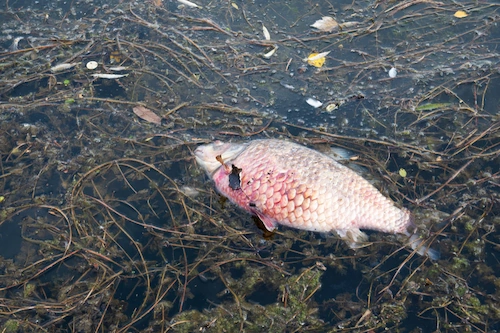
The dangers of leachate are not only felt by humans but also by aquatic life, including fish and aquatic plants. Various harmful substances contained in leachate can cause poisoning, reproductive problems, and even the death of aquatic organisms.
One of the triggers is oxygen depletion. Leachate often contains high levels of nutrients that cause eutrophication (algal blooms). When this occurs, oxygen in the water is depleted, leading to the formation of a dead zone where fish and other organisms die.
This is demonstrated in a study titled “Acute Toxicity of Domestic Landfill Leachate to Carp Fish (Cyprinus carpio)”. The study found that as leachate concentration increased, the number of fish deaths increased. Fish exposed to 2.5% leachate for 96 hours had a 100% mortality rate.
These conditions result from tissue damage, including hyperplasia (cell proliferation), hypertrophy (cell enlargement), edema (swelling from fluid accumulation), and congestion (blood pooling).
Read also: 5 Causes of Soil Pollution You Should Know and Must Note
Leachate Management
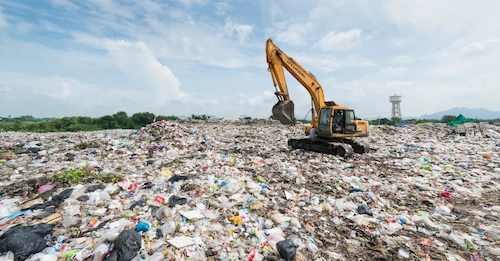
To prevent damage to water sources and the environment, leachate can be managed through the following methods:
Implementing the Sanitary Landfill Method
A sanitary landfill is a method designed to minimize environmental pollution, one of which involves creating a waterproof layer at the very bottom of the landfill. The goal is to prevent leachate from being absorbed directly into the ground.
The base surface is equipped with pipes that collect leachate and channel it into a retention pond for proper treatment.
Treating Leachate
After collection, leachate can be treated using biological, physical, or chemical processes as follows:
- Aeration: Reduces organic compounds.
- Filtration: Removes heavy metals.
- Bioremediation: Breaking down toxic substances using microorganisms.
- Reverse osmosis: Advanced filtration using a special membrane to remove nearly all contaminants, making the water potentially reusable.
Creating Eco Lindi
Eco Lindi is an innovation made from a mixture of leachate, molasses, sulfuric acid, and an organic catalyst.
Eco Lindi has been proven to eliminate unpleasant odors from waste. Simply spraying it once or twice before waste is placed in a storage container can significantly reduce unpleasant odors.
Utilizing It as an Energy Source
If available in large quantities, leachate can be used as a biogas starter. Generally, the treatment process involves an anaerobic digester (without oxygen).
The process begins by feeding the leachate into a reactor, where microorganisms break down the organic substances. This produces biogas, which is then captured and utilized. Biogas can be used as an energy source for fuel, electricity, or heat.
Ultimately, leachate is an environmental issue that requires serious attention from various sectors. This is because its impact is not limited to landfills but extends to the ecosystem. Managing leachate is a crucial step toward keeping the Earth healthier and more livable.
However, managing leachate is not the only way to protect the Earth. You can contribute to other environmental conservation programs in Indonesia Asri, by participating in the Jejak Asri campaign.
Jejak Asri invites you to share stories about concrete actions you have taken to implement an eco-friendly lifestyle. This campaign runs until October 16, 2026.
Selected stories will receive prizes worth up to millions of rupiah. So, sign up now, share your story, and encourage others to love the Earth more!
Read also: Types of Waste Disposal Sites & What Makes Them Different