

Table of Contents
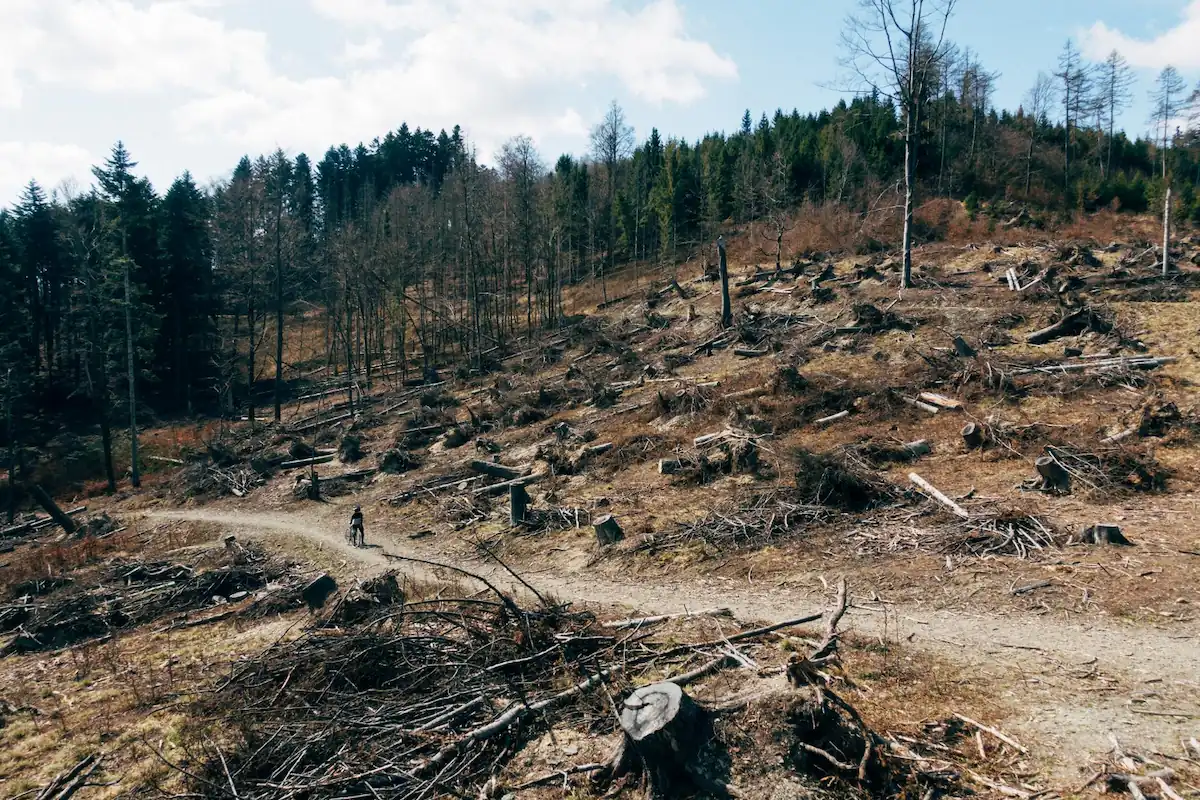
Deforestation is one of the environmental issues that has become increasingly prevalent in our lives. This phenomenon is evident in the increasing number of reports of declining forest conditions year to year. It may indicate that nature is losing its ability to maintain balance.
Deforestation does not arise suddenly. Many factors lead to this condition, making it more complex. To understand the bigger picture and its impacts, read the following article.
Causes of Deforestation
Deforestation does not occur suddenly. The following are several causes that contribute to the declining functions of forests:
Illegal Logging
Illegal logging occurs when trees are cut down without official authorization or in violation of forest management regulations. Illegal logging can also damage the forest structure, as large trees that support the ecosystems are removed.
Forest Fires
Forest fires can be triggered by natural factors or human activities, such as land clearing by burning or the destruction of thousands of hectares in a short time.
Besides harming biodiversity, forest fire smoke can cause air pollution and health problems for nearby communities.
Forest Encroachment
Forest encroachment is typically carried out to open farmland or settlements. However, this practice can threaten both wildlife and forest ecosystems. In the long term, forest encroachment can reduce the ecological functions of the forest.
One example of deforestation caused by encroachment is the massive deforestation in West Kalimantan. This activity is carried out to clear land for pulp and oil palm plantations.
Climate Change
Climate change causes global temperature to rise and weather patterns to become more unpredictable, making forests more vulnerable to drought. This condition accelerates deforestation by causing vegetation to lose its ability to adapt.
Pest and Disease Outbreaks
Pests and diseases can attack trees and forest plants, especially when the environmental conditions have been weakened by previous damage. The spread is rapid and causes large numbers of trees to die.
Read also: What Is Biodiversity? Understand Its Examples and Benefits
Effects of Forest Degradation
Deforestation has become a major global issue and is driven mainly by human activities. According to a report by the Food and Agriculture Organization (FAO), around 7.8 million hectares of forest were lost each year from 2010 to 2018.
In addition, Global Forest Watch, using satellite imagery, recorded that in 2020, about 12.2 million hectares of tropical forests were lost.
The impacts of deforestation are reflected not only in the loss of trees but also in various aspects of life, including ecosystem balance, environmental quality, and the social and economic conditions of communities that depend on the forest.
To understand how significant the impact can be, here are some effects of deforestation that you should know:
Loss of Biodiversity
Deforestation can threaten biodiversity by removing the natural habitats of a wide range of animal and plant species. Imbalance can also disrupt food chains and ecosystem stability.
Reduced Water Quality
Healthy forests act as natural filters for water resources. When forests are damaged, sediments and pollutants can easily be carried into rivers and lakes. This can reduce the quality of water used for household and agricultural purposes.
Increased Risk of Natural Disasters
Deforestation cannot absorb rainwater properly, resulting in natural disasters such as floods, landslides, and increased erosion. This condition can be very harmful for local communities around forest areas.
Worsening Climate Change
Forests play a crucial role in absorbing carbon dioxide from the atmosphere. When deforestation occurs, carbon emissions and carbon footprints can increase, accelerating global warming. The impact can be seen in more extreme temperatures and unstable weather patterns.
Read also: The Benefits of Protected Forest for All Living Creatures.
Damage to Hydrological Functions
Forests help maintain the balance of the natural water cycle. When the forest is damaged, the soil’s ability to store water is reduced, leading to drought during the dry season. On the other hand, water can overflow and cause floods during the rainy season.
Decline in Soil Fertility
Tree roots help maintain a stable soil structure. Without forest cover, the soil will be easily eroded and lose essential nutrients for plants. This results in reduced agricultural land productivity.
Declining Air Quality
Deforestation reduces the number of trees that filter pollutants and produce oxygen. Without sufficient vegetation cover, carbon levels in the air may increase, and air quality declines.
Disruption of Wildlife Ecosystem
Deforestation causes wildlife to lose their natural habitats where they feed and reproduce. As a result, many animals are forced to migrate into residential areas in search of food and shelter.
Loss of Live Sources for Local Communities
Many indigenous and local communities depend on forests for food, medicine, and the economy. Deforestation reduces their access to natural resources. If this occurs, their social and economic conditions become more vulnerable.
How to Deal with Deforestation
Restoring the functions of deforestation requires coordinated and sustainable actions. Here are several ways to address deforestation:
Forest Rehabilitation
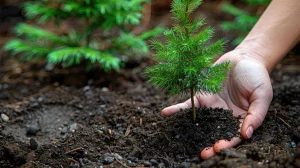
Forest rehabilitation involves replanting trees in degraded areas to restore land cover. This process usually consists of planting local tree species suited to the area’s ecological conditions.
Forest Reclamation
Forest reclamation focuses on restoring degraded areas resulting from mining, construction, or other land activities. This process involves improving soil structure, planting vegetation, and controlling erosion.
Forest Restoration
Forest restoration aims to return the forest to a condition as close to its original state before degradation. This process involves planting native species, controlling pests, and gradually protecting wild animals.
In general, deforestation is a serious issue that must not be underestimated, as it directly affects environmental balance and human life.
Understanding the causes, effects, and how to address deforestation is an important step toward forest conservation.
If you would like to make a greater contribution to the conservation of Indonesia’s forests, you can join Indonesia Asri and take part in the #AksiAsri campaign.
Through this program, you can take on multiple challenges that support forest preservation and even win prizes for each one.
Register today and become a Warga Asri who actively contributes to preserving Indonesia’s forests for a greener, healthier, and more sustainable planet.
Read also: Various Benefits of Mangrove Forest for Human and Environment