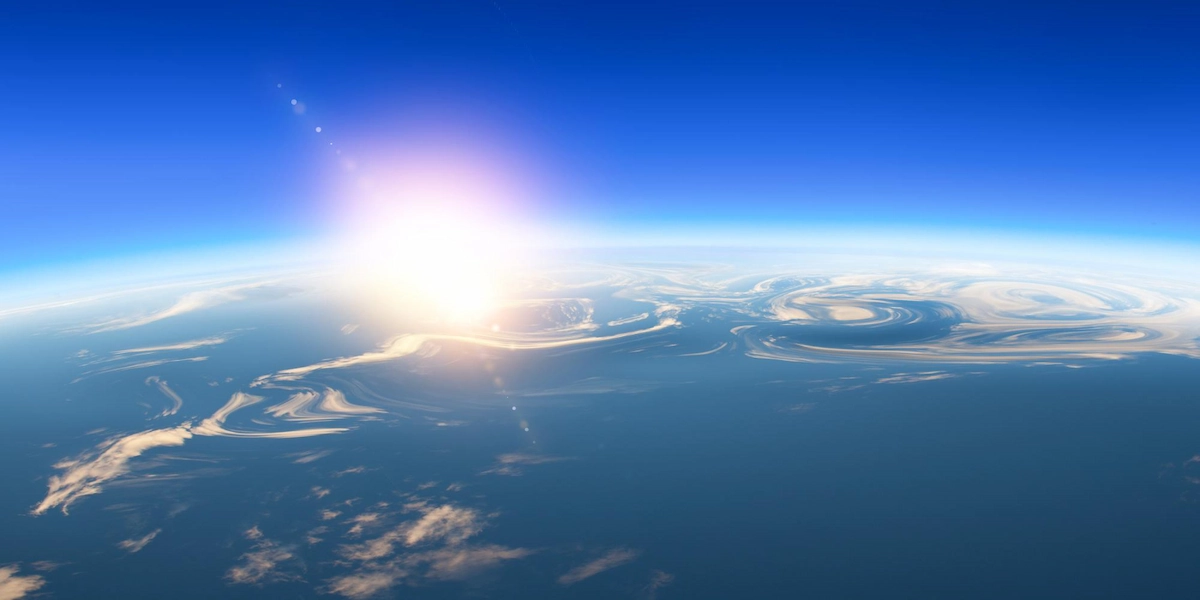
What is the ozone layer? You probably wonder what protects us from the Sun’s rays. The ozone layer filters ultraviolet radiation (UV) from the sun before it reaches the Earth. This layer plays an important role in human health and the environment’s stability.
Damage to the ozone layer can have a wide range of impacts on life, from health problems to changes in ecosystems. To better understand the function, benefits, and ways to protect this layer, read the full discussion in the following article.
What Is the Ozone Layer?
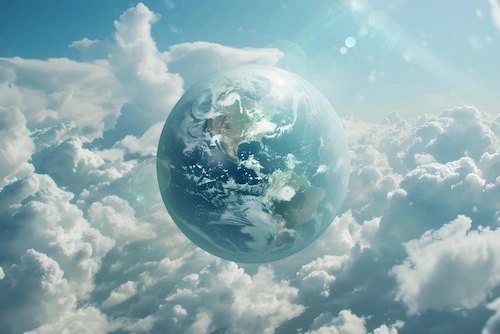
The ozone layer is a layer of ozone gas (O₃) located in the stratosphere, specifically at an altitude of approximately 15–35 kilometers above the Earth’s surface.
The ozone layer acts as a natural shield in the atmosphere, absorbing and blocking some of the Sun’s UV radiation before it reaches the Earth’s surface.
This layer is crucial for our life because it shields humans, animals, plants, and ecosystems from the excessive negative impacts of the sunlight.
Without the ozone layer, the Earth will be exposed to a massive amount of UV radiation. It can be hazardous for human health, damage the ecosystem, disrupt plant growth, and increase the risk of global environmental change.
Functions of the Ozone Layer for the Earth
The ozone layer plays a critical role in stabilizing life on Earth. It can shield living creatures from the unfavorable impact of the Sun’s radiation as well as protect the ecosystem’s stability. Here are the functions of the ozone layer you must know:
Absorbing the UV Radiation
As explained above, the ozone layer works to absorb most of the ultraviolet radiation from the Sun, specifically UV-B and UV-C, which are unsafe for living creatures. The ozone layer reduces the harmful radiation that reaches the Earth’s surface.
Maintaining the Temperature Stability in the Atmosphere
The ozone layer not only absorbs the UV radiation but also captures most of the heat from the sunlight in the atmosphere. This process maintains the temperature in the atmosphere
Protecting the Ecosystem and Environment
The ozone layer plays a vital role in maintaining the balance of Earth’s ecosystems by filtering out excessive UV radiation from the Sun. This protection helps various living organisms grow and reproduce successfully.
In marine ecosystems, phytoplankton, which form the base of the food chain, require stable environmental conditions to grow. The ozone layer reduces exposure to excessive UV radiation, which can affect their growth and the overall balance of marine ecosystems.
Meanwhile, in terrestrial ecosystems, protection from UV radiation supports photosynthesis in plants, thereby optimizing their growth and productivity. Thus, the ozone layer sustains life and environmental balance on Earth.
Read also: Net-Zero Emissions: The Concept and How to Achieve It
What Causes the Ozone Layer’s Damage and Thinning?
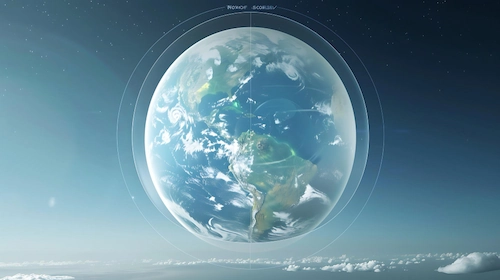
Along with the development of modern industry and increased human activity, the use of substances that can damage the atmosphere is also increasing.
Certain compounds can damage ozone molecules in the stratosphere, causing the ozone layer to thin. If left unchecked, this situation can increase exposure to UV radiation, which is harmful to humans and the environment.
The consequences could endanger human health, upset ecosystem balance, and lead to other environmental issues if this situation persists.
Damage to the ozone layer is commonly caused by substances that break down ozone in the atmosphere. Here are some of the primary causes of the ozone layer’s thinning:
- Chlorofluorocarbons (CFCs) in air conditioners, fridges, and aerosols.
- Methane gas from motor vehicles.
- Improper industrial waste management.
- Nitrogen oxides (NOx) release from fossil fuel combustion.
- The increasing industrial activity without proper emission control.
- The use of pesticides and agricultural chemicals, such as methyl bromide.
Read also: Carbon Footprint: Definition, Causes, and How to Reduce It
The Impacts of the Ozone Layer’s Thinning
Now that you understand the cause of the ozone layer’s thinning and damage, you must also know the impacts on the Earth. Here are some of them:
Human Life
Ozone layer thinning leads to increased exposure to UV radiation reaching the Earth’s surface. It can escalate the risk of various health problems, such as skin cancer, cataracts, and skin tissue damage.
Moreover, high UV exposure can also weaken the immune system, making the body more susceptible to certain infections and diseases.
Impacts on Plants
Ultraviolet B (UVB) radiation can affect plant physiological processes and development. Although some plants possess protective mechanisms and adaptive capabilities, increased UVB exposure can still inhibit plant growth.
Additionally, UVB also causes indirect changes, such as alterations in plant morphology, disruptions in nutrient distribution, changes in developmental timing, and metabolic disturbances.
These consequences may affect how plants compete with one another, make them more vulnerable to illness, and upset biogeochemical cycles.
Sea Ecosystem
Increased UVB radiation also has a significant impact on marine ecosystems, particularly on phytoplankton, which form the basis of the aquatic food chain.
Furthermore, marine organisms are in the early stages of development. such as fish, shrimp, crabs, and amphibians, are also vulnerable to damage. The effects can range from reproductive disorders and reduced survival rates to disruptions in the balance of marine ecosystems.
That concludes the explanation about the ozone layer, including the definition, function, causes of damage, and the impact of the damage on the Earth.
The ozone layer plays a vital role as a natural shield that filters out UV radiation to prevent it from harming humans, plants, and ecosystems. Therefore, maintaining the stability of the ozone layer is a crucial step in preserving the global environmental balance.
Various human activities, such as the use of certain hazardous substances and air pollution, can accelerate ozone layer thinning, making it essential to raise awareness about reducing these impacts in our daily lives.
By adopting a more eco-friendly lifestyle, such as reducing the use of hazardous substances and supporting products that are safer for the atmosphere, you can also contribute to protecting the ozone layer. The small steps you take today can help protect the Earth for future generations.
To support a more environmentally friendly lifestyle, you can join Indonesia Asri and Jejak Asri. Here, you can share inspirational stories about simple positive actions for the environment and encourage more people to protect the Earth.
You can send your insightful stories up to 16 October 2026 and get a chance to win millions-worth of rewards. Register yourself now and be part of the environmentally friendly movement for greener Indonesia!
Read also: Causes of Greenhouse Gases and How to Prevent Them!