

Table of Contents
Industrial waste is one of major concerns in discussions about environmental pollution. As sectors such as manufacturing, textiles, pharmaceuticals, and agriculture continue to grow, the volume of waste they generate also increases. This poses potential threats to environmental sustainability.
To better understand industrial waste, it’s important to recognize its different types, typical examples, impacts, and management methods. Check out the detailed explanation in the following article.
Examples of Industrial Waste by Type
Each industrial sector produces waste with different characteristics, ranging from solid and liquid waste to gas and B3 waste. Here are some of the most common types of industrial waste.
1. Solid Waste
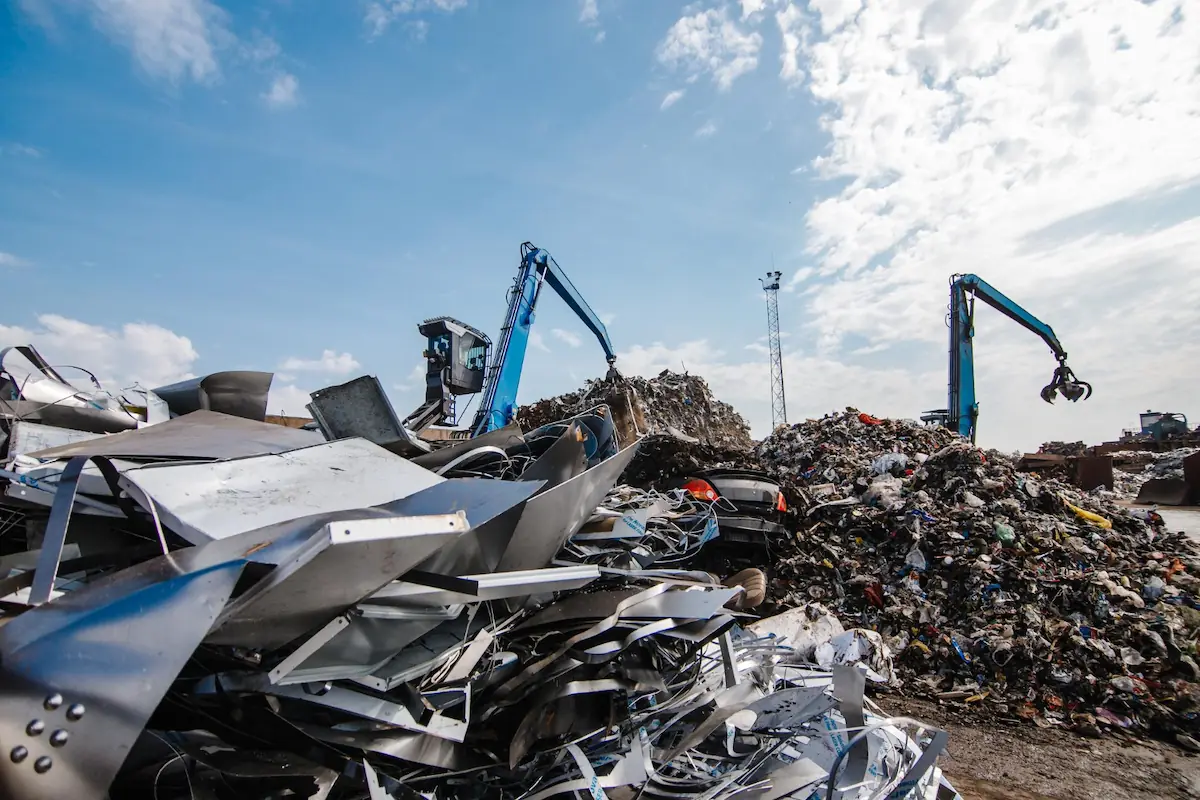
Solid waste refers to leftover materials from industrial activities in a solid form, such as raw material scraps, packaging, wastewater treatment sludge, or combustion residues.
This type of waste can be organic or inorganic materials that are no longer in use. Some of them can still be recycled if they do not contain hazardous substances.
Examples of solid industrial waste
- Fabric scraps from the textile industry.
- Wood shavings from the furniture industry.
- Sludge from wastewater treatment plants (WWTP).
- Metal scraps from the automotive and fabrication industries.
2. Liquid Waste
As the name suggests, liquid waste is waste in liquid form generated from various industrial activities such as raw material washing, chemical processes, machine cooling, and production equipment cleaning.
This type of waste is usually routed to a Wastewater Treatment Plant (WWTP) via pipelines for treatment and safe release into the environment.
If not handled properly, liquid waste can contaminate rivers, soil, and groundwater, as it may contain heavy metals, dyes, oils, or chemical residues.
Examples of liquid industrial waste
- Wastewater from textile dyeing.
- Used water from chemical wash in chemical industries.
- Pharmaceutical liquid waste from drug production.
- Liquid waste containing metals from electroplating processes.
- Bleaching wastewater from pulp & paper industries.
Read also: 6 Ways to Mitigate Soil Pollution, Easy and Effective
3. Gas Waste
Gas waste consists of emissions released into the air from combustion, heating, or chemical reactions in industrial processes.
Although not readily visible, these emissions can significantly contribute to air pollution if not controlled with technologies such as scrubbers or filters.
Furthermore, harmful gas emissions can also cause respiratory problems, air pollution, acid rain, and accelerate global warming.
Examples of gas industrial waste
- CO₂ emissions from fossil fuel combustion.
- SO₂ and NOx from coal-fired power plants.
- Smoke from metal industries.
- Methane (CH₄) from industrial, agricultural, or organic waste processes.
4. B3 Waste (Hazardous and Toxic Materials)
B3 waste contains dangerous or toxic chemicals that pose serious risks to human health and the environment.
Typically, B3 waste is flammable, reactive, corrosive, toxic, or contains heavy metals, all of which require special handling.
Examples of B3 industrial waste
- Infectious medical waste from healthcare facilities.
- Used batteries containing mercury, lead, or cadmium.
- Used oil from the automotive or machinery industries.
- Used organic solvents such as thinner, toluene, or acetone.
- Expired chemicals from the pharmaceutical industry.
How to Manage Industrial Waste
Proper management of industrial waste is essential to minimize its environmental impact. Each type of waste requires different handling methods depending on its characteristics. Here are some common approaches:
1. Sorting and Collection of Waste
Waste should be separated by type, including organic, inorganic, B3, and non-B3. Sorting makes subsequent processes like recycling or final disposal more efficient.
After sorting, the waste is collected in containers or temporary storage facilities that meet safety standards.
Read also: What Is Electronic Waste and What Are the Impacts on Nature?
2. Treatment of Liquid Waste
Liquid waste is treated using a Wastewater Treatment Plant (WWTP). This process ensures that the waste meets environmental quality standards before it is released into rivers or soil. Typical treatment stages include:
- Screening.
- Sedimentation.
- Biological treatment (aerobic/anaerobic)
- Disinfection.
- Sludge treatment.
3. Treatment of Solid Waste
Solid waste can be managed using various methods, such as:
- Recycling for specific materials like metals and paper.
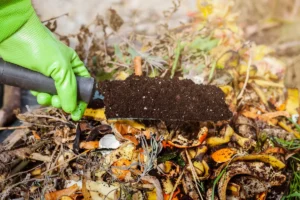
- Composting for organic waste.
- Incineration for certain materials that cannot be recycled.
- Sanitary landfills with leachate and gas control systems.
4. Treatment of Gas Waste
Gas waste can be managed using several methods:
- Filters or scrubbers to reduce harmful emissions.
- Catalytic systems to lower pollutant levels.
- Chimneys built to standard specifications to safely disperse emissions.
5. Management of B3 Waste
B3 waste is handled through controlled procedures or methods, from storage to disposal. Each method must comply with government regulations to prevent contamination of water, soil, and air.
Standard techniques for managing B3 waste include:
- Chemical, biological, and physical treatment.
- Deep well injection.
- Storage in holding ponds.
- Disposal in secure landfills.
That concludes the explanation of industrial waste, from common examples by type to management methods to prevent pollution. Proper industrial waste management is an essential step toward protecting the environment and ensuring ecosystem sustainability.
While industrial waste management is primarily the responsibility of businesses, the public can play a supporting role through oversight, education, and the promotion of more environmentally friendly production practices. Every small action can help reduce the risk of pollution in our surroundings from industrial waste.
For those who want to protect the environment from the impacts of industrial waste actively, you can join Indonesia Asri and support the #AksiAsri campaign, which encourages more responsible waste management.
Sign up now and become an active Warga Asri who contributes to a cleaner, healthier, and more sustainable environment!
Read also: Differences between Waste and Garbage, Don’t Misunderstand!