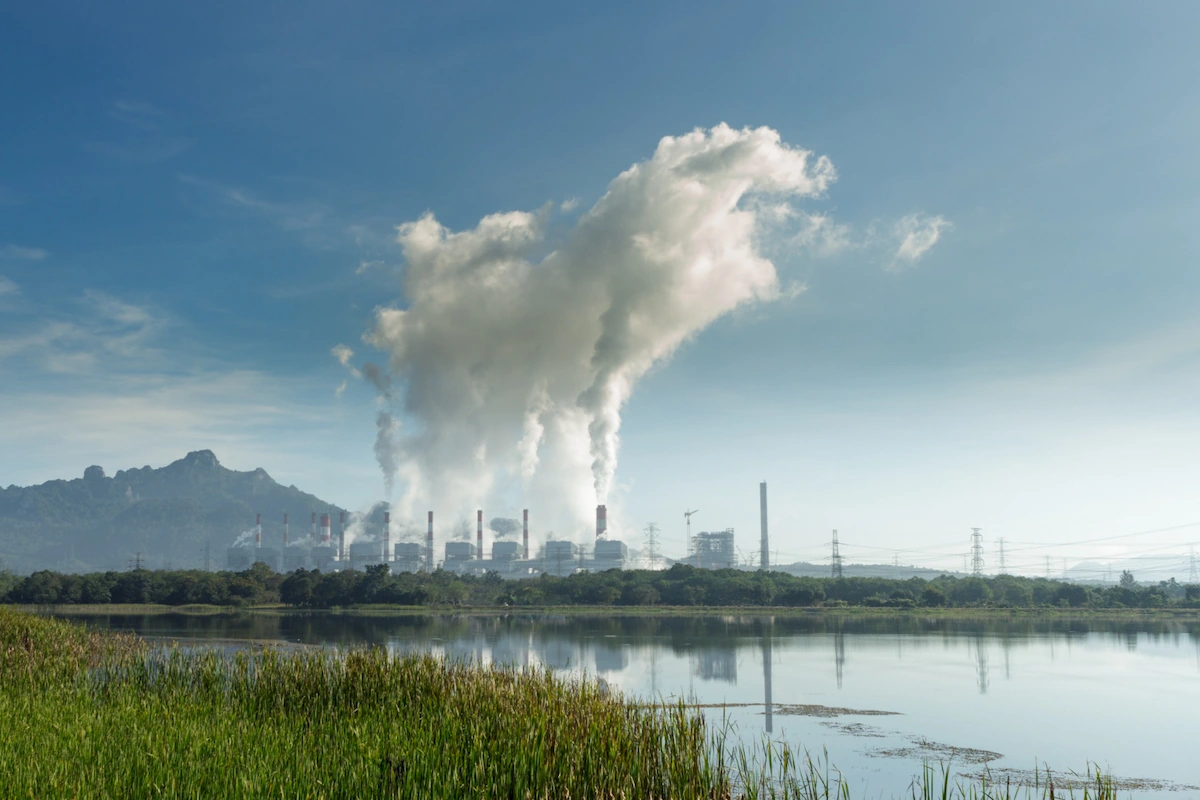
Poor air quality can seriously affect both health and the environment if left untreated. Exposure to vehicle exhaust, industrial emissions, and fine airborne particles can affect daily activities without you noticing.
The dangers of air pollution not only affect the respiratory system but can also trigger various health problems if not treated over the long term. To better understand the dangers of air pollution, explore the following article.
What Are the Dangers of Air Pollution?
Air pollution not only causes the sky to appear foggy or unpleasant to breathe. Air pollutants such as PM2.5, carbon monoxide, nitrogen dioxide, and ozone can also enter the body and affect various vital organs.
According to the data from the World Health Organization (WHO), around 99% of the world population still breathes air that exceeds safe air quality limits. This condition contributes to approximately 6.7 million premature deaths each year, resulting from respiratory diseases, stroke, and heart disorders.
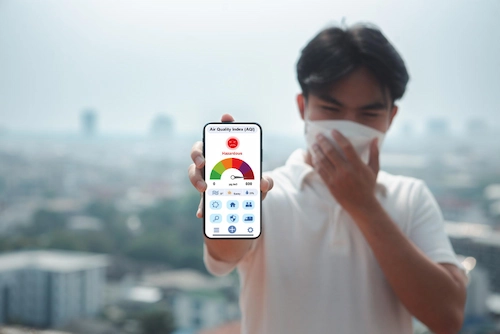
Air quality is commonly measured using the Air Quality Index (AQI). The higher the AQI value, the greater the potential health risk to people. In Indonesia, air quality in several major cities, including Jakarta, often falls into the unhealthy category.
Based on AQI data, the PM2.5 level in Jakarta often exceeded the WHO guideline limit of 5 µg/m³ annually. This condition can increase the risk of various health disorders and negatively affect environmental quality.
The following are the dangers of air pollution for health and the environment, including:
Respiratory Disorders
Air pollution can irritate the respiratory tract and trigger various health conditions. Long-term exposure to fine particles such as PM2.5 may also reduce lung function and increase the risk of chronic respiratory diseases.
Heart Disease and Stroke
Pollutant particles not only enter the lungs but also spread through the bloodstream. This condition may trigger inflammation, raise blood pressure, and increase the risk of heart disease or stroke.
Reduced Quality of Life
Air pollution can cause fatigue, headaches, difficulty concentrating, and disruptions to daily activities. If this condition persists, it can affect productivity and physical and mental health.
Risks to Pregnant Women and the Fetus
In addition to affecting the respiratory system and heart health, exposure to air pollution can also lead to the risk of pregnancy complications, such as premature birth and low birth weight.
Worsening Climate Change
Air pollution from vehicle emissions, industrial activities, and the burning of fossil fuels also increases atmospheric greenhouse gas levels. This condition can also worsen global warming, accelerate climate change, and cause environmental damage.
Read also: 5 Environmental Greening Initiatives and Their Benefits
Pollutants in Air Pollution
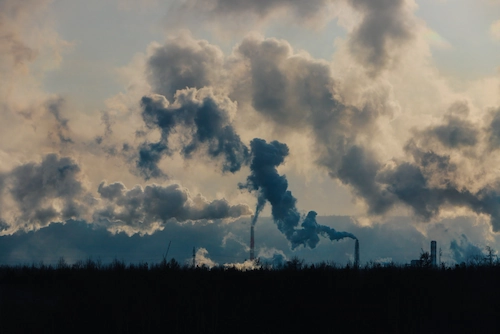
Air pollution contains various harmful substances that can contaminate the environment and affect human health. These pollutant contents come from multiple sources, such as vehicle smoke, industrial activities, waste burning, and forest fires.
Several pollutants can remain in the air for a longer period and may be inhaled without realizing it. The following are some examples of pollutants commonly found in the air:
Particulate Matter (PM2.5 and PM10)
Particulate Matter (PM2.5 and PM10) are small particles in the air that can be inhaled into the respiratory system and are harmful to health. These particles come from vehicle smokes, trash burning, street debris, and forest fires.
- PM2.5 has ≤ 2,5 micrometers diameter, allowing it to enter the lung and bloodstream.
- PM10 has a diameter ≤ 10 micrometers and is commonly inhaled into the upper respiratory tract.
Long-term exposure to PM2.5 and PM10 can increase the risk of asthma, bronchitis, chronic obstructive pulmonary disease (COPD), or other heart disorders.
Carbon Monoxide (CO)
Carbon monoxide is a toxic gas produced by fuel from vehicles and machinery. This gas is colorless and odorless, making it hard to detect directly.
When inhaled in high concentrations, carbon monoxide can reduce oxygen delivery to the body, leading to dizziness, shortness of breath, and loss of consciousness.
Read also: 6 Causes of Air Pollution and How to Reduce Its Exposure
Sulfur Dioxide (SO₂)
Sulfur dioxide is produced from the burning of coal and fossils containing sulfur. This gas is typically found in industrial areas and fossil fuel power plants.
Exposure to sulfur dioxide can trigger coughing, throat irritation, and shortness of breath. Additionally, this gas is also one of the major causes of acid rain.
Nitrogen Dioxide (NO₂)
Nitrogen dioxide generally comes from burning processes, such as motor vehicle emissions, energy generation, and various industrial activities.
This gas can worsen air quality, especially in urban areas with heavy traffic. Exposure to NO2 can cause pulmonary irritation and increase the risk of respiratory tract infection.
Ozone (O3)
Ozone (O3) is a gas formed from chemical reactions between pollutants from motor vehicles, industrial emissions, and sunlight. Ozone in the upper layer of the atmosphere helps protect the Earth from ultraviolet radiation, but ozone on the ground level is a harmful air pollutant.
Exposure to higher levels of ozone can cause respiratory tract irritation, coughing, shortness of breath, chest pain, and worsening asthma. Ozone can also impair lung function and make the body more vulnerable to respiratory tract infections.
Which Groups Are Most Vulnerable to Air Pollution?
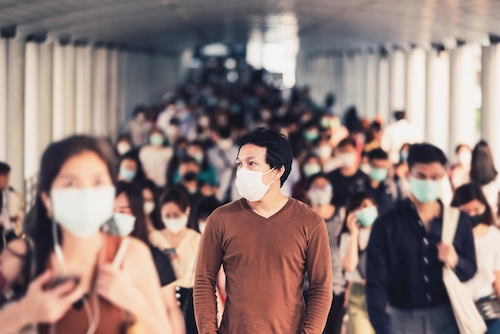
Not everyone has the same level of risk from exposure to air pollution. Some groups are more vulnerable due to their health conditions, age, or the intensity of daily exposure. Below are the groups most vulnerable to the effects of air pollution:
- Children: Their lungs are still developing, making them more sensitive to air pollution. Exposure to air pollution can increase the risk of asthma, respiratory tract infection, and impaired lung development.
- Older adults: Generally have decreased immune and organ function. Air pollution can worsen conditions, such as heart disease, hypertension, and respiratory disorders.
- Pregnant women: Exposure to air pollution during pregnancy can affect both maternal and fetal health, including an increased risk of premature birth and low birth weight.
- Outdoor workers: Workers who spend more time outdoors, such as drivers, couriers, street sellers, or construction workers, are exposed to higher levels of air pollution every day.
- Patients with respiratory conditions: People with asthma, bronchitis, chronic sinusitis, or chronic obstructive pulmonary disease are more likely to experience recurrence when air quality worsens.
That concludes the explanation of the dangers of air pollution, including effects on the respiratory system, heart health, quality of life, and the risks for pregnant women and the environment.
Today, several industrial sectors continue to develop innovations and adopt sustainable energy use as measures to reduce air pollution. One of the ways is the management of renewable energy sources, such as hydropower plants and solar power plants.
In addition, lower-emission transportation options are being developed, such as electric vehicles and other sustainable innovations.
It is important to note that air quality continues to decline, especially in major cities like Jakarta, a warning that the importance of clean air should never be underestimated.
However, each individual has different conditions and activity patterns, so complete avoidance of air pollution exposure is often difficult.
Therefore, simple steps such as wearing a mask when the air quality worsens can be an effective way to help maintain your health. Then, you can also contribute to reducing carbon emissions in the air by choosing public transportation.
To help preserve the environment, there are many actions you can take. Even the smallest step you take, such as sorting waste rather than burning it, can improve air quality and the environment.
If you have simple tips to reduce air pollution, you can share them with Indonesia Asri through the Jejak Asri campaign.
You can also share the small contributions you make to inspire many people to help protect the Earth.
So, share your inspirational story before October 16th, 2026. You also have a chance to win a prize worth millions of rupiah. Register now, and let’s realize a cleaner, healthier Indonesia!
Read also: 10 Effective Efforts to Overcome Environmental Pollution