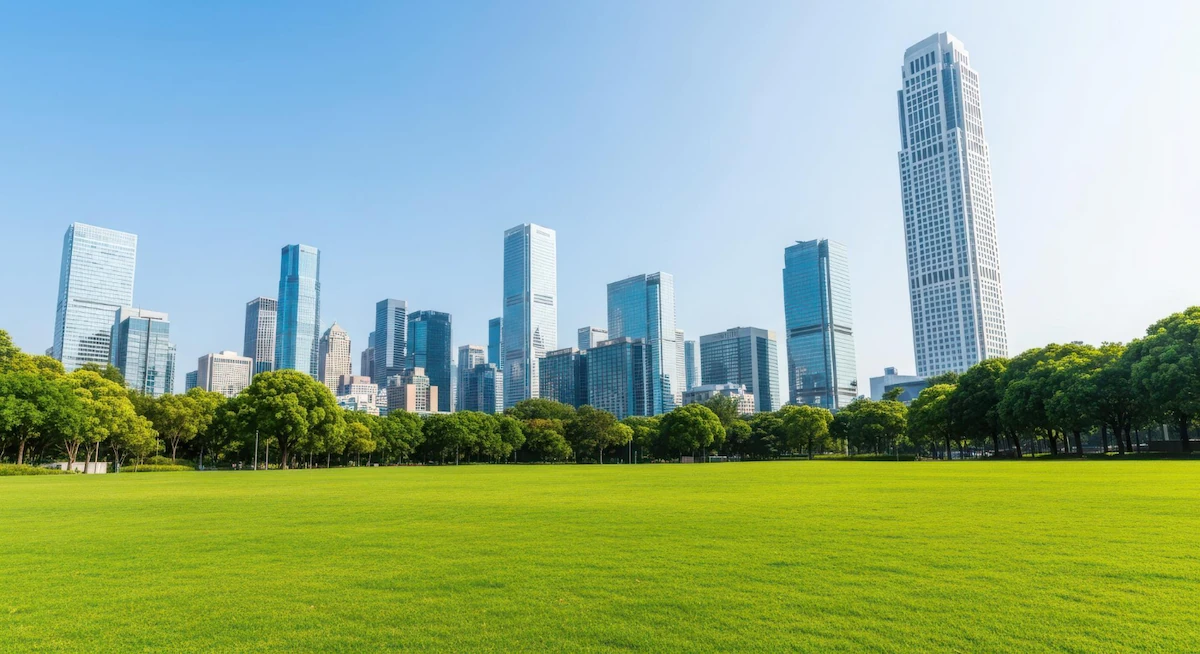
A livable city is defined not only by modern buildings but also by a healthy environment that supports residents’ well-being. Therefore, the concept of a green city has emerged to create more livable and sustainable urban areas.
Green city principles include many aspects, from green open spaces to more sustainable environmental management. Let’s explore the concept, characteristics, and benefits of green cities for everyday life by reading this article!
What Is a Green City?
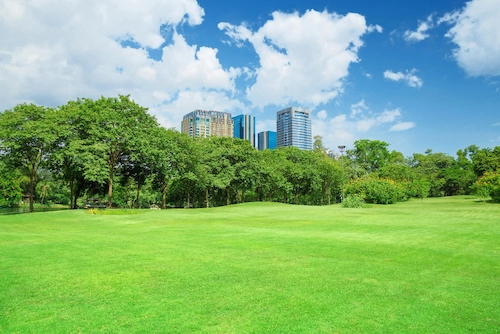
A green city is an urban development concept that balances community activities, urban growth, and environmental sustainability.
This concept promotes creating areas that are comfortable, healthy, efficient, and able to support the community’s quality of life over the long term.
Implementing a green city is not just about adding green open spaces. It also involves wise resource management, sustainable transportation, more efficient energy use, and integrated environmental management.
What Makes Green City a Sustainable Choice?
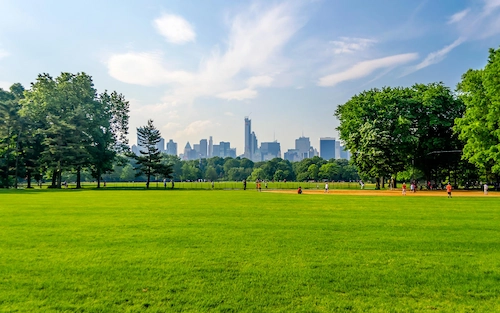
Green cities are a sustainable choice because urban development can be designed to meet community needs while reducing environmental pressure. This approach matters because cities are centers of living, economic activity, transportation, and community life.
As the urban population grows, the demand for energy, water, housing, transportation, and various public facilities also increases. Growing economic activity in urban areas further drives higher resource consumption. If not managed properly, these conditions can increase environmental pressure and affect people’s quality of life.
World Bank data indicates that 59.4% of Indonesia’s population will live in urban areas by 2025. This means most Indonesians now live their daily lives in urban environments. This situation requires more strategic urban planning and management to ensure urban growth proceeds alongside efforts to protect the environment.
In effect, the “green city” concept has emerged as one approach to address these challenges. This concept goes beyond simply adding green open spaces and encompasses efficient energy use, sustainable transportation, water management, land-use planning, and development that prioritize environmental sustainability.
With this approach, urban development focuses not only on physical and economic growth but also on community needs and long-term environmental sustainability.
This is what makes green cities an important choice for creating comfortable urban areas today while remaining livable for future generations.
Read also: Top 5 Asian Cities Leading in Electricity Consumption
Green City Development Focus
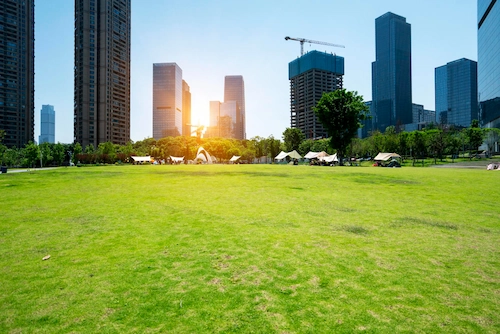
Green city development encompasses various interrelated aspects to create comfortable, efficient, and sustainable urban areas. The focus of this development includes:
Green Planning and Design
The journey toward a green city begins with how a city is planned and designed from the very start. This planning considers land use, community needs, transportation access, and the availability of green spaces.
This way, urban development aims to pursue growth while balancing urban functions with environmental sustainability.
Green Community
A sustainable city also requires the active participation of its residents. Residents can get involved through various environmental activities, such as maintaining public spaces, participating in waste management programs, and supporting sustainable transportation.
Collaboration among residents, the government, communities, and businesses ensures that efforts to create a cleaner, healthier, and more comfortable city can proceed consistently.
Green Open Spaces
Green spaces play a vital role in creating a more comfortable and cooler city. These can include city parks, urban forests, and open spaces that the public can use for various activities. In addition to maintaining environmental quality, these areas also give the community places to exercise, relax, and socialize.
Green Building
Buildings also play a crucial role in creating more sustainable cities. This concept encourages buildings to be designed and operated efficiently, for example, through natural light, proper ventilation, and wise use of energy and water.
Well-designed buildings not only reduce environmental impact but can also create more comfortable and healthier spaces for residents.
Green Water
Water management is vital in maintaining a city’s sustainability. It focuses on efficient water use, preserving water source quality, managing stormwater, and treating water for reuse as needed.
With proper management, cities can better maintain water availability while addressing challenges such as flooding and drought.
Green Waste
Green waste is a waste management approach that prioritizes environmentally friendly and sustainable processes. Its implementation ranges from waste sorting to reusing materials that are still valuable, preventing them from ending up as waste immediately.
In green urban development, this approach helps maintain environmental cleanliness while supporting a circular economy.
You may also like: The List of Top 10 Cleanest Countries in the World of 2026
Green Transportation
Mobility is an integral part of urban life. Therefore, a green city’s transportation system is designed to be more efficient and environmentally friendly.
Green transportation can be developed by providing easily accessible public transportation, pedestrian and bicycle paths, and support for low-emission vehicles. This gives the public more options for comfortable travel without compromising environmental sustainability.
Green Energy
Energy plays a vital role in supporting community activities and various urban facilities. Therefore, green energy focuses on cleaner, more sustainable energy, including renewable sources such as solar, wind, and hydroelectric power.
Implementing it can help meet a city’s energy needs while improving efficiency and reducing dependence on non-renewable energy sources.
Benefits of Green Cities
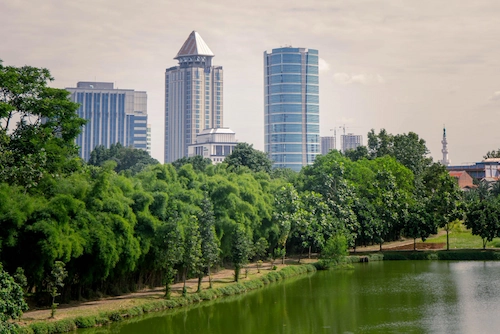
Implementing the green city concept offers various benefits for the environment and society, including:
- Improving environmental quality.
- Creating a more comfortable, healthier city.
- Conserving energy and resources.
- Supporting better waste management.
- Supporting sustainable transportation.
One example of the green city concept in action that has delivered tangible benefits is Copenhagen, Denmark. The city has developed sustainable transportation through an extensive bicycle network.
A study published in the journal Proceedings of the National Academy of Sciences of the United States of America (2023), which analyzed bicycle trip data in Copenhagen, shows that the developed network of bike lanes is estimated to have increased the number of bicycle trips by 60% and the distance traveled by 90% compared to conditions without bike lanes.
Furthermore, the study also estimates an annual economic benefit of approximately €0.4 million per kilometer of bike lane. This estimate is derived from changes in overall travel costs, health outcomes, and accident rates resulting from the provision of bicycle infrastructure.
How to Build a Green City
Building a green city requires comprehensive planning to keep urban development aligned with community needs and environmental sustainability. Some steps that can be implemented include:
- Providing green open spaces: Green city parks, urban forests, and green corridors can cool the environment while giving the community spaces to engage in activities and interact.
- Planting more trees and plants: Adding vegetation can make urban areas feel cooler and more comfortable, while also supporting urban biodiversity.
- Developing sustainable transportation: Public transportation, bike lanes, and pedestrian facilities need to be safe, comfortable, and well-integrated to support community mobility.
- Implementing a waste sorting and processing system: Waste must be sorted by type and processed using appropriate methods to ensure more effective, targeted management.
- Implementing greening on buildings: Building facades and roofs can be utilized as green spaces to beautify the urban landscape.
Let’s Build a Green City with #AksiAsri
That concludes the information on ways to build a green city to create a more comfortable, healthy, and sustainable environment. Keeping the city green is a shared responsibility. As part of the urban life ecosystem, you can support the city’s sustainability through daily choices and habits, including reducing single-use items and keeping your surroundings clean.
You can also help protect the environment through various simple actions with Indonesia Asri. At Indonesia Asri, you can join many programs through #AksiAsri, such as Operasi Semut, which educates the public on the importance of sorting trash before disposal, and Jejak Asri Hobbies, which invites you to learn about the benefits of plastic through fun activities like interactive cupcake-decorating workshops.
So, what are you waiting for? Be Warga Asri and help keep our city green while creating a more sustainable environment. Register now and start making a positive environmental impact alongside other Warga Asri!
Related reading: Get to Know the 10 Cleanest Cities in Indonesia of 2025