Key Takeaways
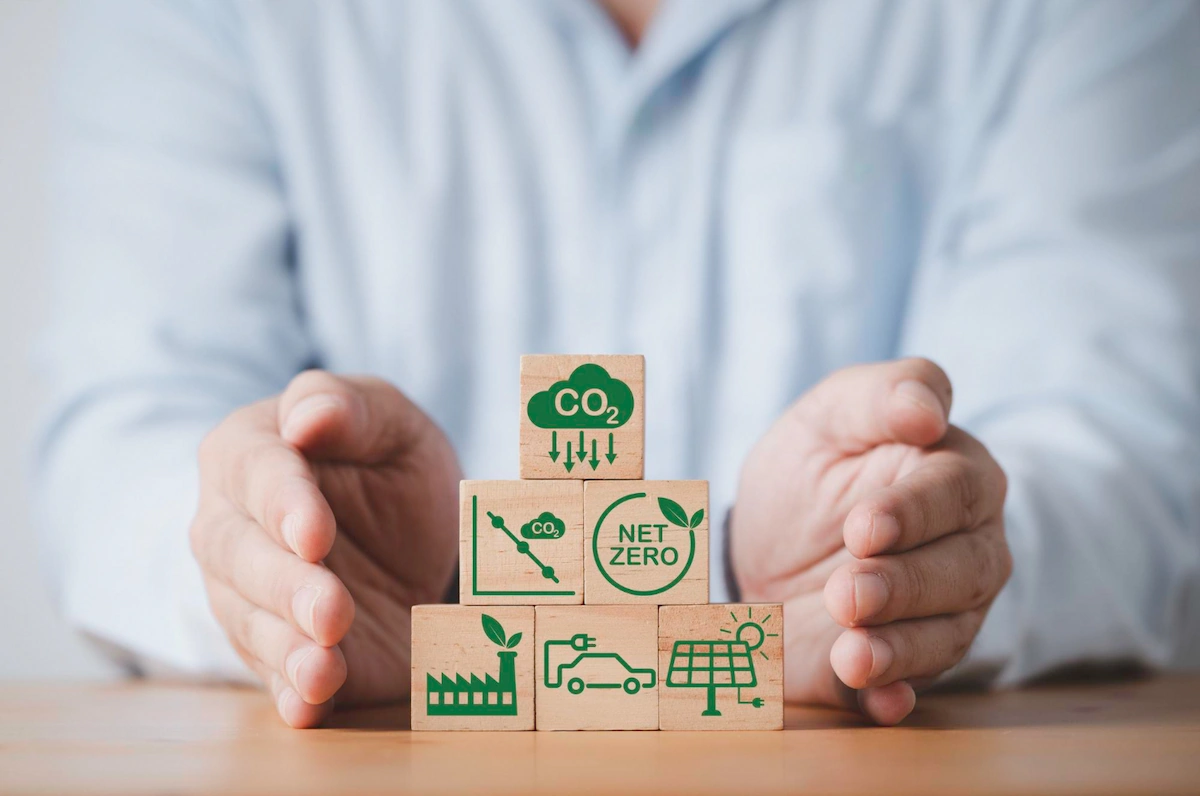
- The efforts to reduce carbon footprints can start with simple habits, such as conserving energy, using low-emission transportation, and using water wisely.
- Everyday choices also affect the environment, including dietary habits, using renewable energy, and choosing more environmentally friendly products.
- Planting and caring for trees is also a concrete step toward protecting the environment and supporting efforts to reduce carbon in the atmosphere.
Many people don’t realize their daily activities can create a carbon footprint. However, you can help reduce it by consistently adopting eco-friendly habits.
Reducing your carbon footprint doesn’t necessarily mean drastically changing your lifestyle. Start with the habits that are easiest to adopt, then make them part of your daily routine.
So, how do you reduce your carbon footprint in daily life? Let’s find out the steps and discover the methods that work best for you in this article!
How to Reduce Your Carbon Footprint
You can adopt many daily habits to reduce your carbon footprint. Here are some simple steps you can easily implement in your routine:
Reducing Energy Consumption
Energy use is one of the key areas to focus on when reducing your carbon footprint. The Ministry of Energy and Mineral Resources reports that the reduction in greenhouse gas emissions from the energy sector in Indonesia reached 147.61 million metric tons of CO₂ in 2024, exceeding the target of 142 million metric tons of CO₂.
Although these numbers reflect efforts across the energy sector, you can also contribute through simple habits at home, from using electronic devices only as needed and turning off lights and the AC after use to taking advantage of natural light during the day.
Using Low-Emission Vehicles
Your choice of transportation can also affect your carbon footprint from daily activities. Motor vehicles that still run on fossil fuels produce emissions when you use them to get from one place to another.
Instead, consider lower-emission vehicles based on your needs and travel conditions. Electric vehicles, public transportation, biking, or walking for certain distances can be more environmentally friendly options.
For certain trips, you can also choose public transportation instead of using a private vehicle. By sharing rides with other passengers, you can use vehicles more efficiently and reduce emissions per trip.
Read also: Understand Carbon Offset and How It Benefits the Environment
Reducing Consumption of Meat and Animal Products
Have you ever paid attention to the food choices you make every day? Food production requires resources such as energy, water, and land, so the foods you choose also affect your daily carbon footprint.
To minimize this impact, start by adjusting your meat and animal product consumption to meet your actual needs. Try choosing plant-based foods, such as vegetables, legumes, grains, and locally sourced foods, in your daily meals.
You do not need to make drastic changes to your diet. By gradually reducing how often you eat these foods or adjusting your portion sizes, you can take simple steps that are easier to implement in your daily life.
Using Water Wisely
Next, you can reduce your carbon footprint by using water more wisely. While water itself does not directly produce carbon emissions when used, extraction, treatment, distribution, and heating require energy that can generate carbon emissions.
Therefore, try saving water at home to help reduce your carbon footprint. You can build this habit by turning off the faucet when you’re not using it, fixing leaks, and using water only as needed.
You also need to reduce water heater use because these appliances contribute to household carbon emissions through the energy used to heat water.
Related article: Carbon Credits: Definition, Advantages, and Mechanisms
Switch to Renewable Energy
Much of the energy we use daily still comes from energy sources that produce carbon emissions. Therefore, switching to renewable energy can be one step toward reducing our impact on the environment.
Renewable energy comes from naturally available sources that can be used repeatedly, such as sunlight and wind. If possible, you can start by installing solar panels or choosing an electricity provider that uses renewable energy.
Using More Eco-Friendly Products
The products we choose for daily use can also affect our carbon footprint. Products made with resource use and environmental impact in mind can be a more sustainable choice.
Start by choosing products that are durable, long-lasting, and made through more environmentally friendly processes. That way, your daily shopping habits can also support your efforts to protect the Earth.
Planting and Caring for Trees
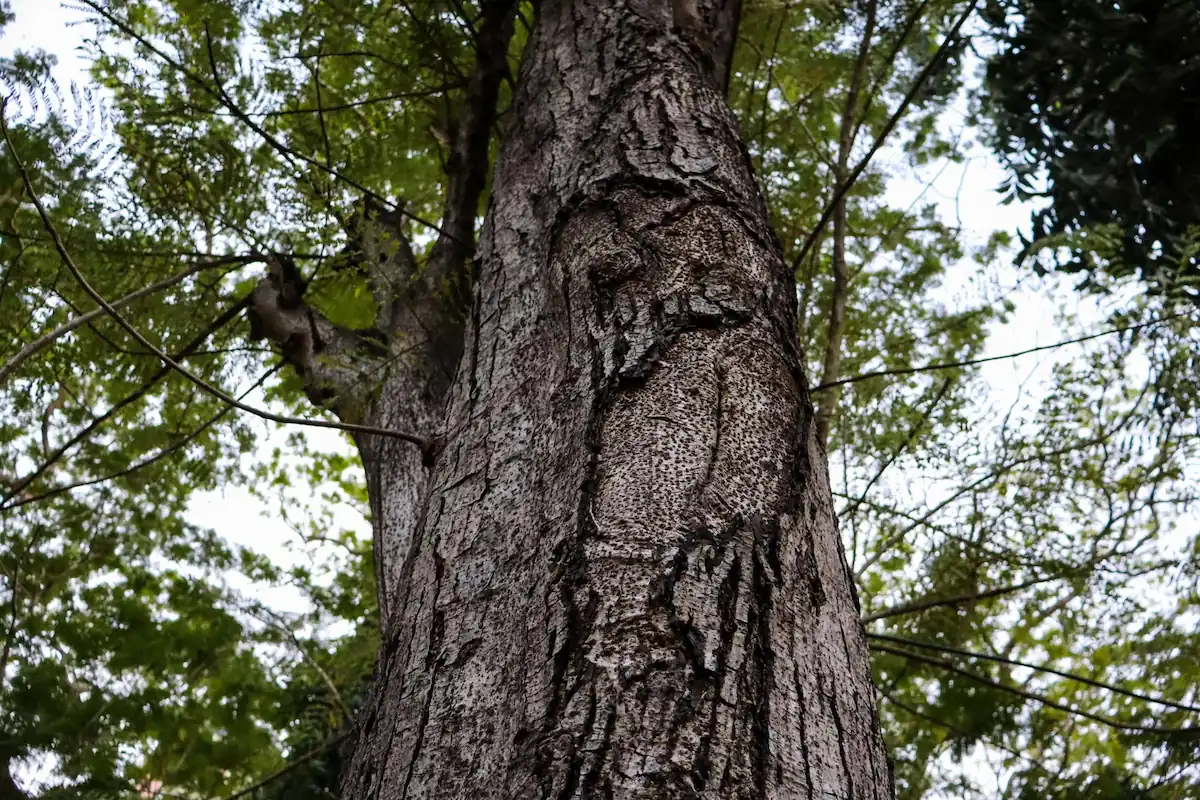
Do you have an empty yard at home? Use it to plant trees or plants suited to the surrounding environment. Through photosynthesis, trees absorb carbon dioxide from the atmosphere and store it in their biomass and the soil.
You do not have to wait until you have a large yard. Choose plants that fit the available space. After planting, care for them regularly. You can plant peace lilies or snake plants in your yard, or even go for a large-trunked tree like ylang-ylang.
Proper watering and care help trees grow healthy and thrive. That way, the trees you plant can absorb carbon dioxide while making the surrounding environment more pleasant.
Come Join Jejak Asri and Start Your Own Good Deeds for the Earth!

Reducing carbon footprint can start with consistently practicing the habits mentioned above. From using water wisely to planting and caring for trees, every small step protects the environment.
Now, once you have started putting these good habits into practice, why not share your story with Indonesia Asri? A simple story about the actions you have taken can inspire other Warga Asri to take the same steps.
Through Jejak Asri, you can share your experiences in adopting a more sustainable lifestyle while helping to create a greener Indonesia. Interestingly, if your story is selected, you will have a chance to win prizes worth up to millions of rupiah.
So, if you have a story about good habits for protecting the environment, now might be the perfect time to share it. Come on, let’s make your small steps part of a bigger movement with Indonesia Asri!
Do not forget to register and submit your story before October 16, 2026!
More on this topic: How to Calculate Carbon Emissions and the Applications
Frequently Asked Questions (FAQ)
Still curious about carbon footprints and emissions? Check out some additional questions below to understand how to reduce your carbon footprint:
1. Name 3 Practical Daily Steps to Reduce Carbon Emissions?
Three practical daily steps to reduce carbon emissions are conserving energy, choosing low-emission transportation, and planting and caring for trees.
2. What Causes CO₂ Levels to Rise?
The increase in CO₂ in the air is mainly driven by burning fossil fuels, land-use changes, deforestation, and industrial processes.
3. What Causes Carbon Emissions?
Carbon emissions can result from fossil fuel use, industrial activities, transportation, power generation, and land clearing through forest burning.