Key Takeaways:
- Volcanic ash is an eruption material made of microscopic minerals, glass, and sharp rock fragments that are abrasive.
- The impact of volcanic ash on the environment includes limited visibility, ecosystem disruption, worsening water quality, and so on.
- Despite its impact on the environment, volcanic ash also fertilizes the impacted soil.
Indonesia is located in the Ring of Fire and has hundreds of active volcanoes across the nation, increasing the risk of eruption and volcanic ashfall. Therefore, it is important to understand the impact of volcanic ash, especially on the environment. This article talks about the composition and impact of volcanic ash. So, read the complete information below.
What Is Volcanic Ash?
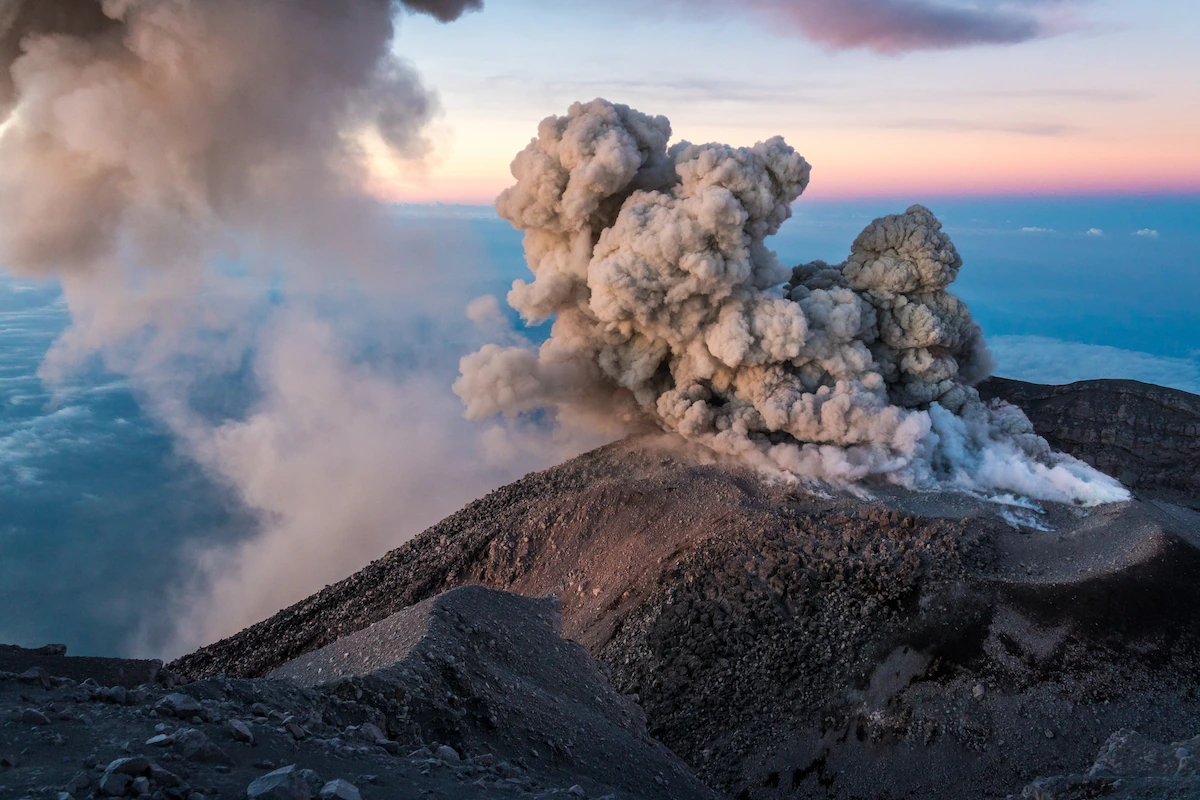
Volcanic ash consists of mineral, glass, and rock fragments, spewed during eruption. These particles are minuscule; their diameter is less than 2 millimeters. The density is considered low, making them fly with the wind into further areas. Then, volcanic ash will arrive on land and form a thick layer.
The problem is that volcanic ash is different from product combustion ash, like wood ash. Volcanic ash particles are hard and serrated, increasing the risk of nose, eye, and lung irritation. Also, this ash is not soluble in water, unlike ash from burning wood.
Additionally, it can cause malfunctions in aircraft engines, leading to the cancellation of many flights. In fact, volcanic ash that accumulates too thickly on tiled roofs can weigh down the roof and risk causing it to collapse.
More to read: Environmental Problems: Causes, Impacts, and Solutions
The Impacts of Volcanic Ash on the Environment
The environmental impacts of volcanic ash include long-range dispersion, deterioration of water quality, damage to infrastructure, the risk of ecosystem disruption, and the triggering of volcanic lightning. Here is more information
Limited Visibility
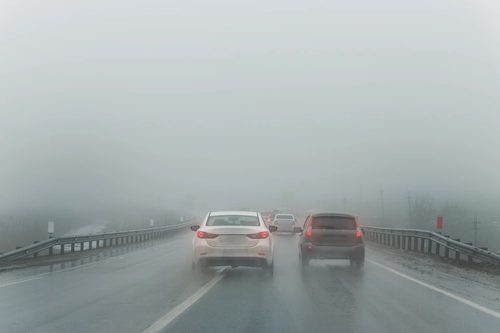
Plumes of volcanic ash can spread over a wider area of the sky, blocking out the sunlight like fog. This effect can occur during an ashfall or when the wind blows volcanic ash into the air from the street.
Volcanic haze that reduces visibility can affect the performance of vehicles and endanger driving safety because it is difficult to see other vehicles, even when the headlights are on. This ash can also obstruct pilots’ vision, posing a risk to flight safety.
Declining Water Quality
Volcanic ash that settles on the water surfaces, such as springs or rivers, can contaminate them. As a result, water quality deteriorates, and the water may even change in color, odor, and taste.
Consequently, the water becomes unfit for consumption by both humans and animals. In some cases, volcanic ash can also alter water temperature and reduce dissolved oxygen levels, impacting aquatic ecosystems.
Infrastructure Damage
Volcanic ash can damage infrastructure if it continuously accumulates. For example, the accumulated ash can clog the sewage system, damage roads, and cause building structures to collapse due to the excessive weight of the ash.
Disrupting the Ecosystem
Volcanic gases, emissions, and ash can disrupt ecosystems because they contain toxic compounds. These materials can cause crop failures, animal deaths, and health problems for humans. Plants may droop and eventually die from ash that is still burning.
Furthermore, carbon dioxide (CO₂), which is heavier than air, can settle in lower-lying areas, where its concentration may be higher. If inhaled at concentrations exceeding 3%, carbon dioxide can cause dizziness, difficulty breathing, and increasing heart rate. The accumulation of CO₂ can also contribute to global warming by trapping heat in the atmosphere.
Moreover, high concentrations of sulfur dioxide (SO₂) can create volcanic smog (VOG), which can be harmful to health if inhaled and irritating to the eyes, throat, and nose.
Emerging Volcanic Lightnings
Volcanic clouds are usually accompanied by lightning caused by the friction of particles, which produces a triboelectric effect (the phenomenon of electric charges appearing on the surface of an object as a result of contact or friction with a different material).
Silicon dioxide particles in volcanic ash clouds exchange electrical charges when they rub against or collide with one another. The positively and negatively charged particles separate from one another, and lightning occurs when a current flows between them.
You may also like: 6 Causes of Climate Change and Their Impact on Earth
The Positive Influence of Volcanic Ash
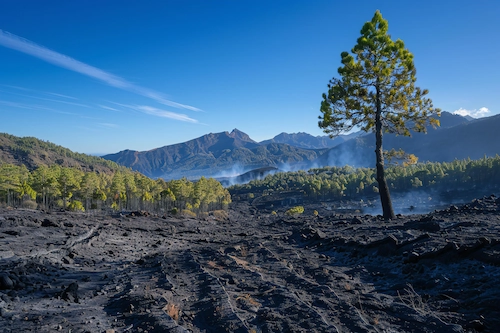
Despite having an impact on the environment, ash can benefit the soil because of the nutrients released through chemical reactions with the volcanic ash, which increase its fertility, even though the soil may initially become infertile due to exposure to volcanic eruption materials.
A study examining volcanic ash fertilization (VAF) explains that adding large amounts of volcanic ash increases biomass production, reproductive capacity, and total nutrient content.
The research further demonstrated that volcanic ash functions as more than a simple mineral fertilizer, even though it contains nutrients like iron and magnesium. At the same time, volcanic ash suppresses harmful parasite worms, including nematodes, while promoting beneficial bacteria and fungi. This biological restructuring ultimately enhances productivity by helping plants absorb greater amounts of nitrogen and other minerals from the soil, including some bioavailable iron derived from the ash.
The researchers concluded that VAF and basaltic ash offer substantial potential benefits for post-eruption agriculture. However, this experiment indicated that VAF was a complex process and was not as simple as merely adding total nutrients, since VAF worked by restructuring the soil’s growth environment.
Let’s Protect Our Earth with Indonesia Asri
Natural disasters are inevitable, but we can still mitigate them, especially disasters due to human activity. As the major dwellers, we must protect the Earth by preserving the environment and avoiding activities that can worsen climate change.
Together with Indonesia Asri, let’s make greener surroundings through #AksiAsri. You can contribute with sustainable living practices, such as sorting waste with Operasi Semut, and increase your knowledge about the circular economy.
Do not miss our other green actions by registering yourself as a Warga Asri now and give your best contribution to the Earth!
Discover more: Understanding the Effects of Acid Rain on the Environment
Frequently Asked Questions (FAQ)
Below are some frequently asked questions regarding volcanic ash:
What Is in Volcanic Ash?
Volcanic ash contains tiny and abrasive minerals, glass, and rock fragments.
Is Volcanic Ash Dangerous?
Volcanic ash contains abrasive particles, arguably irritating the eyes and skin. If inhaled, volcanic ash can potentially cause respiratory problems.
What Are the Health Effects of Volcanic Ash?
The health effects of volcanic ash vary depending on the duration of exposure, a person’s health condition, and the amount of ash in the air. However, volcanic ash can irritate the respiratory tract, cause eye irritation and itchy skin, and may lead to other health problems.