Indonesia is known for its rich flora, with a wide variety of plants growing in diverse habitats and regions.
Among this diverse flora are rare plants with limited distribution, making their survival a matter of concern. Therefore, conservation efforts are necessary to ensure that floral diversity is preserved.
So, what makes a plant qualify as rare? Factors such as limited geographic distribution, small populations, and low reproductive capacity can cause a plant species to be classified as rare.
If you want to learn more about rare plants in Indonesia and around the world, as well as their characteristics, check out the discussion below!
Types of Rare Plants in Indonesia
Among the many plant species found in Indonesia, some have limited distributions and are classified as rare plants.
These rare plants need to be protected through conservation efforts to preserve Indonesia’s rich flora and ensure that future generations can continue to appreciate and learn about these species.
Here are some types of rare plants in Indonesia that have limited distribution, small populations, or low reproductive capacity:
Javanese Edelweiss (Anaphalis javanica)
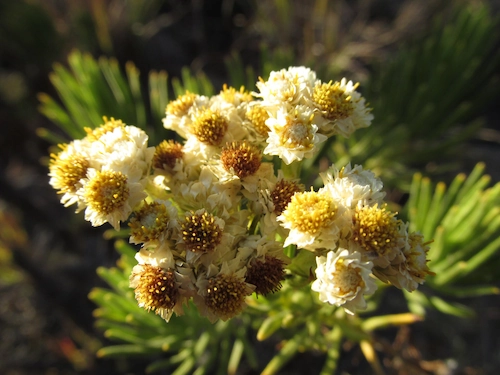
The Javanese Edelweiss (Anaphalis javanica) is a plant native to the mountainous regions of Java that can be found in various high-altitude habitats. This plant has yellowish-white flowers with surfaces that appear to be covered in fine hairs.
In addition to its ecological value, the Javanese edelweiss is also closely tied to the lives of communities living near its habitat. According to BRIN, the plant is used in several Tenggerese traditions and forms part of certain traditional ceremonies.
The Javanese edelweiss must be preserved through conservation and responsible use. Therefore, you should avoid picking edelweiss flowers directly from their natural habitat to help preserve their populations.
Rafflesia arnoldii
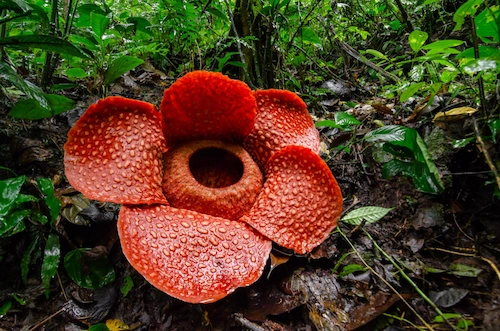
Rafflesia arnoldii is one of Indonesia’s iconic plants, best known for producing one of the largest individual flowers in the world. This plant is native to Sumatra and can be found in several forest areas that serve as its natural habitat.
Unlike most plants, Rafflesia arnoldii has no leaves, stem, or roots. Instead, it lives as a parasite on host plants, particularly those belonging to the genus Tetrastigma, from which it obtains the water and nutrients it needs to grow.
Its unique life cycle makes Rafflesia arnoldii highly dependent on the presence of host plants and the conditions of its habitat. Protecting its natural habitat is therefore essential to preserving this distinctive flora of Sumatra.
Cat’s-Eye Damar (Shorea javanica)
Next is the Cat’s-Eye Damar (Shorea javanica), one of Indonesia’s rare plant species that also requires attention in efforts to conserve the country’s flora.
The status of Shorea javanica now requires attention, as its population is continuously monitored through various conservation efforts. In fact, this species is classified as Endangered (EN) on the IUCN Red List and is among the plant species prioritized for conservation action in Indonesia.
More on This Topic: 8 Ornamental Plants that Can Grow in Water & Their Benefits
Pitcher Plants (Nepenthes spp.)
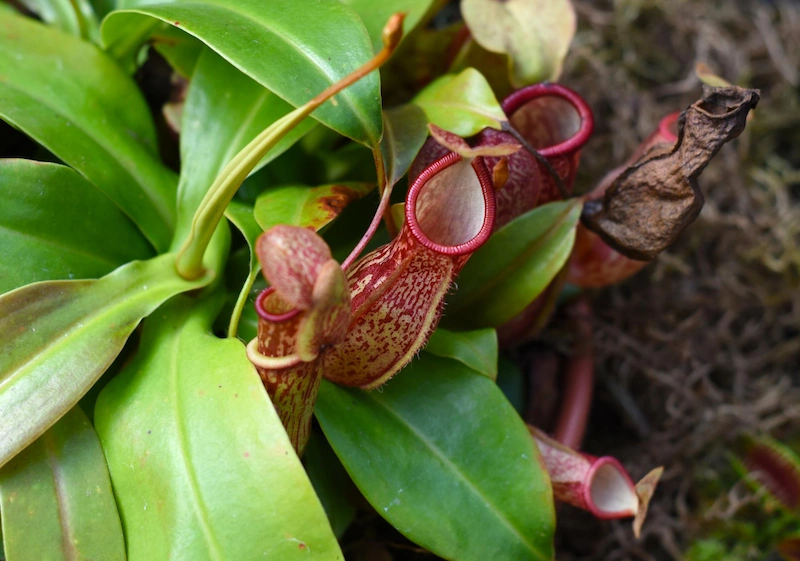
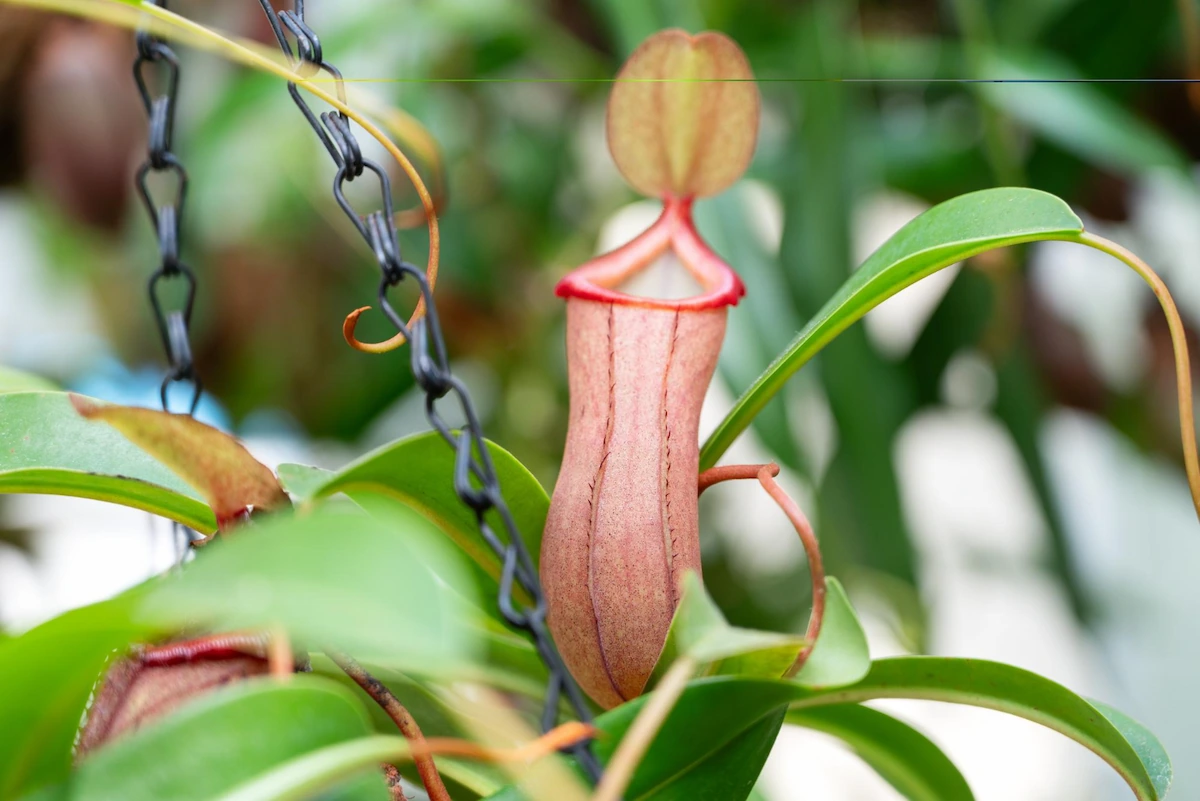
Pitcher plants (Nepenthes spp.) are one of Indonesia’s rare plant species, known for their unique pitcher-like structures on their leaves.
Indonesia is one of the regions with high diversity of Nepenthes species. These plants can be found in various regions, such as Sumatra, Kalimantan, Sulawesi, Maluku, and Papua, with different characteristics and habitats for each species.
This diversity makes pitcher plants an important part of Indonesia’s rich flora that must be protected through habitat preservation and conservation efforts.
Sandalwood (Santalum album)
Sandalwood (Santalum album) is one of Indonesia’s rare plants, commonly found in the Nusa Tenggara region, particularly in East Nusa Tenggara (NTT).
The sandalwood tree is known for producing wood with a distinctive aroma that has long been used for various purposes, such as handicrafts, essential oils, and raw materials for perfumes.
The high economic value of sandalwood means its population continues to require attention through conservation efforts and sustainable management.
Black Orchid (Coelogyne pandurata)
Not all orchids have brightly colored flowers. The black orchid (Coelogyne pandurata), on the other hand, stands out with its fresh green petals and black markings on the flower’s lip.
Native to East Kalimantan, this orchid grows attached to tree trunks in humid tropical rainforests without taking nutrients from its host tree.
The black orchid is now increasingly difficult to find due to deforestation and its low natural reproduction rate, making the preservation of its habitat a crucial step in ensuring its survival.
Rare Plant Species Around the World
Indonesia is not the only country home to rare plant species. Many other rare plants can be found around the world, each with its own unique characteristics and conservation challenges. Some are rare because their populations have declined to extremely low numbers, while others are rare because they represent ancient and highly isolated evolutionary lineages. Here are two examples:
Middlemist’s Red (Camellia japonica)
Middlemist’s Red is considered one of the rarest flowering plants in the world because of its extremely small population. Native to China, this rose-like plant has been considered extinct in the wild since the early 19th century.
Currently, there are only two living specimens identified worldwide, one at Chiswick House in England and the other in New Zealand. The limited availability of these specimens serves as concrete evidence that ex situ conservation and intensive care are the primary lines of defense in preventing the extinction of this plant.
Welwitschia (Welwitschia mirabilis)
Welwitschia is a living fossil found exclusively in the Namib Desert, which stretches from Namibia to Angola. Its most distinctive feature is its two leaves, which continue to grow, split, and twist as they are swept by desert winds throughout its lifespan, which ranges from 400 to 1,500 years.
In addition to its ability to survive in an extremely arid environment, Welwitschia is exceptionally unique as it is the sole surviving member of the order Welwitschiales. This makes it one of the world’s rarest and most genetically isolated botanical wonders.
Related Article: 13 Types of Aesthetic Indoor Air-Purifying Plants
Why Should We Conserve Rare Plants?
Indonesia is home to an incredibly diverse range of plant species, with approximately 31,031 flora species recorded in the Status of Indonesia’s Biodiversity Report by Bappenas in 2024. This rich diversity is an important part of Indonesia’s ecosystems, especially since many of these plants have limited distributions and unique characteristics.
This botanical richness is also evident in Indonesia’s level of endemism, which accounts for 40–50% of the total plant species on most islands, except for Sumatra, which has a lower estimated rate of around 23%.
These figures show that Indonesia is one of the countries with the most diverse plant life. Therefore, efforts to conserve rare plants are a vital part of preserving this botanical wealth so that it can continue to enrich the ecosystem and be appreciated by future generations.
Then, why is it important to conserve rare plants? Here are some of the reasons:
Preserving Biodiversity
Every plant species has distinct characteristics and plays a unique role in the ecosystem. By preserving their existence, you help maintain Indonesia’s rich flora and biodiversity.
Supporting Ecosystem Balance
Plants are a vital part of various food chains in nature. Their presence provides food, shelter, and habitat for various surrounding organisms. If even a single plant species goes extinct, other organisms that depend on it are also affected. This can disrupt the balance of the ecosystem.
Holding Potential for Science
Many plants possess unique characteristics that continue to be studied. Their existence can serve as a source of information for research in botany, agriculture, and even the development of medicines and other innovations in the future.
Protecting Our Natural Heritage for Future Generations
Rare plants are part of our invaluable natural heritage. Striving to preserve them means we ensure that future generations can continue to discover, study, and appreciate the diversity of a region’s flora.
Helping Maintain Environmental Functions
Various plant species also maintain environmental quality, including stabilizing soil, supporting the water cycle, and absorbing carbon dioxide while producing oxygen. Therefore, the conservation of rare plants also supports the sustainability of the ecosystem as a whole.
Things You Can Do to Preserve Biodiversity
Protecting rare plants is not limited to conservation efforts in their natural habitat, but can also start with our daily habits. To that end, take the following steps to help preserve biodiversity and the environment:
- Do not pick or damage rare plants when you encounter them in their natural habitat: You can learn to appreciate their beauty without picking the flowers. This is because picking parts of the plant or damaging its natural habitat can harm the ecosystem.
- Use resources wisely: Choose products by considering their origin and production process. Wise shopping habits can help reduce pressure on natural resources and their habitats.
- Adopt a healthy lifestyle by becoming a Warga Asri: You can also participate in environmental conservation efforts by joining Warga Asri. Through Indonesia Asri’s various activities and programs, you can expand your contributions to creating a more beautiful and sustainable environment.
Protecting rare flora is one simple step toward supporting nature conservation and biodiversity. You can also support these conservation efforts by adopting a more sustainable lifestyle, such as choosing eco-friendly vehicles to help maintain environmental quality.
So, if you want to take part in various environmental initiatives, you can join Indonesia Asri as a Warga Asri. As a Warga Asri, you will gain broader access to Indonesia Asri’s programs and activities that encourage communities to work together toward a greener and more sustainable environment.
Ready to make a difference? Register yourself as Warga Asri today and discover a variety of exciting environmental conservation activities to participate in!
Keep Reading: Types of Trees That Play a Vital Role in Nature Conservation