

Table of Contents
Water is a source of life whose quality must be preserved. However, various human activities involving water often produce waste that can pollute the environment. One such example is liquid waste generated by household, commercial, and industrial activities.
Liquid waste is among the main causes of water pollution unless properly managed. The chemicals, organic matter, or microorganisms it contains can damage aquatic ecosystems.
Want to learn more about what liquid waste is and its different types? Let’s explore the full explanation in this article!
What Is Liquid Waste?
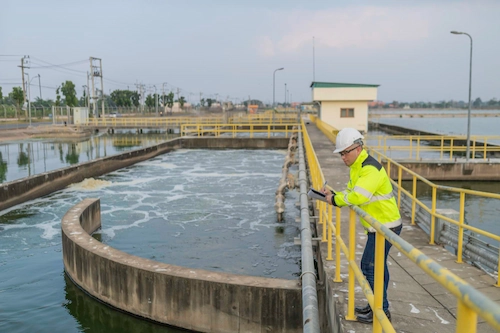
Liquid waste is the residual discharge from various human activities, including household, industrial, agricultural, and commercial operations, in liquid form.
This liquid waste typically contains chemicals, organic matter, microorganisms, or other particles, so it must be treated before disposal.
If not properly managed, liquid waste can cause various environmental problems. According to The Ohio State University, liquid waste is classified as potentially hazardous waste.
Liquid waste is known to spread more easily and pollute the environment more than solid waste. This is because liquid waste can seep into the ground and contaminate groundwater.
The impacts of this pollution can be severe, including reduced soil fertility, ecosystem disruption, and contamination of the water sources and plants we consume.
Read also: Differences Between Waste and Garbage, Don’t Misunderstand!
Types of Liquid Waste
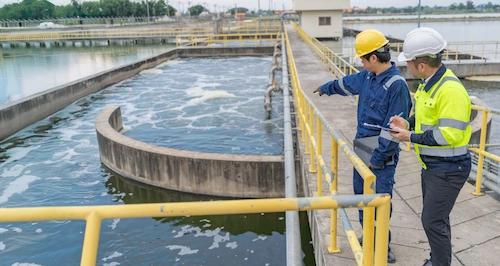
Liquid waste can be classified by its source or the activity that generates it. The following are some common types of liquid waste:
Domestic Liquid Waste
The first source of liquid waste is households. This liquid waste is referred to as domestic liquid waste, which is liquid discharge from daily household activities. This type of liquid waste is generally generated from activities such as bathing, washing clothes, washing kitchen utensils, and flushing toilets.
According to an article in the Journal of Sumber Daya Alam dan Lingkungan, household activities such as washing clothes, kitchen tasks, and bathroom use can generate large volumes of liquid waste, with approximately 50–80% of total household waste consisting of greywater.
Domestic liquid waste usually contains detergents, soap, oil, food scraps, and various other contaminants. If discharged directly without treatment, this liquid waste can pollute the environment and degrade the surrounding water quality.
Commercial Liquid Waste
Commercial liquid waste, also known as municipal liquid waste, originates from business or service activities. This waste is typically generated by several commercial establishments, including restaurants, hotels, offices, shopping centers, eateries, and laundry businesses.
Typically, commercial liquid waste contains various substances similar to those found in domestic wastewater. Some examples include oil, grease, detergents, food waste, and cleaning fluids.
Industrial Liquid Waste
The third type of liquid waste is industrial liquid waste. Generally, this waste originates from activities such as washing raw materials and production processes to cleaning factory equipment. Compared with other waste types, the composition of industrial liquid waste tends to be more complex.
Consequently, its treatment process is also more complicated than that of other liquid waste. This is because industrial liquid waste can contain chemicals, heavy metals, toxic substances, and production residues that potentially pollute the environment if not properly treated.
Unfortunately, water pollution from industrial wastewater remains a major challenge to environmental quality in Indonesia. According to data from Statistics Indonesia, only about 77% of industrial wastewater was safely treated in 2022.
Read also: 4 Types of Industrial Waste and How to Manage Them
Examples of Liquid Waste
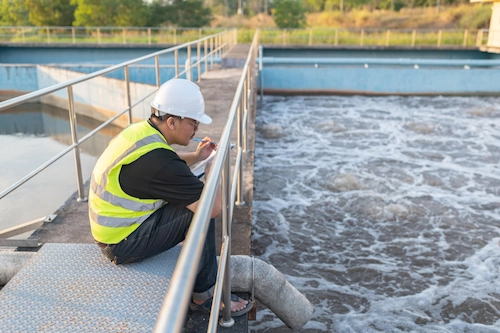
After learning about the various types of liquid waste, it is also important to know specific examples to understand the pollution potential and the proper ways to manage them. Some examples of liquid waste based on their sources include:
- Domestic wastewater: Water used for washing clothes, dishwashing, sewage, and bathroom wastewater containing soap, detergent, and food waste.
- Commercial liquid water: Liquid water from restaurants, hotels, cafes, and laundries that contains oil, grease, detergents, and cleaning agents.
- Industrial liquid water: Waste from textile, food, beverage, or chemical production processes that contains dyes, chemicals, and heavy metals.
- Agricultural liquid waste: Runoff water from fields containing fertilizers and pesticides.
- Livestock liquid waste: Water used for cleaning animal pens and a mixture of animal waste.
That concludes the information on liquid waste, covering its definition, types, and several examples commonly found in the environment. Proper liquid waste management is crucial to preventing water pollution and maintaining the quality of aquatic ecosystems.
To support wastewater management efforts and protect the environment, join Indonesia Asri. By participating in Indonesia Asri, you can make a tangible contribution to maintaining a clean, sustainable environment.
Interestingly, you can also share the small actions you take in your daily life through the Jejak Asri campaign! You can submit your inspiring stories until October 16, 2026, and win a total prize of IDR 28 million for 8 winners (terms and conditions apply).
So, register now and help keep Indonesia’s environment clean and sustainable!
Read also: What Is Textile Waste Water? Here Are the Types & Characteristics