
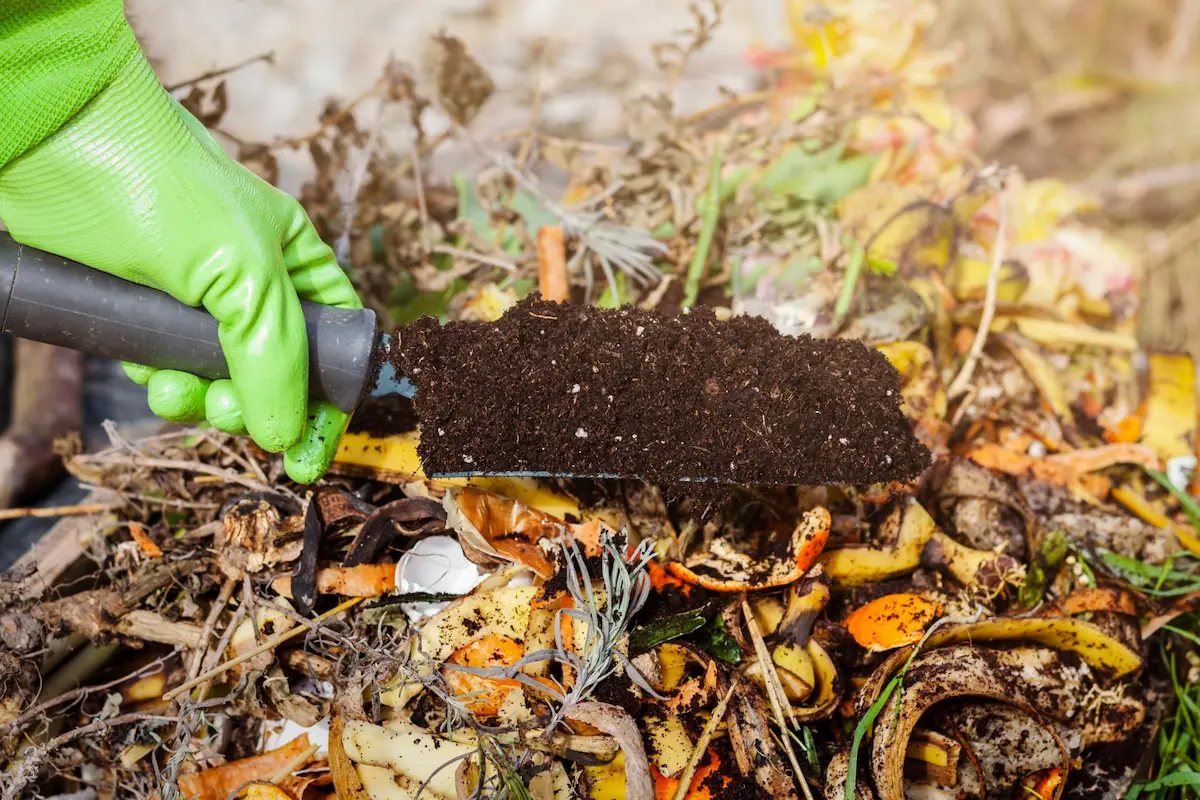
Kitchen waste is often considered useless and ends up in the trash. However, these leftover food scraps can actually be processed into useful compost. By doing this, you can reduce waste while also helping nourish the plants at home.
In addition to providing nutrients for plants, composting from kitchen waste can help keep the environment healthy. Then, how to make natural compost from kitchen waste? Check out the complete guide in the following article!
Kitchen Waste That Can Be Used for Compost
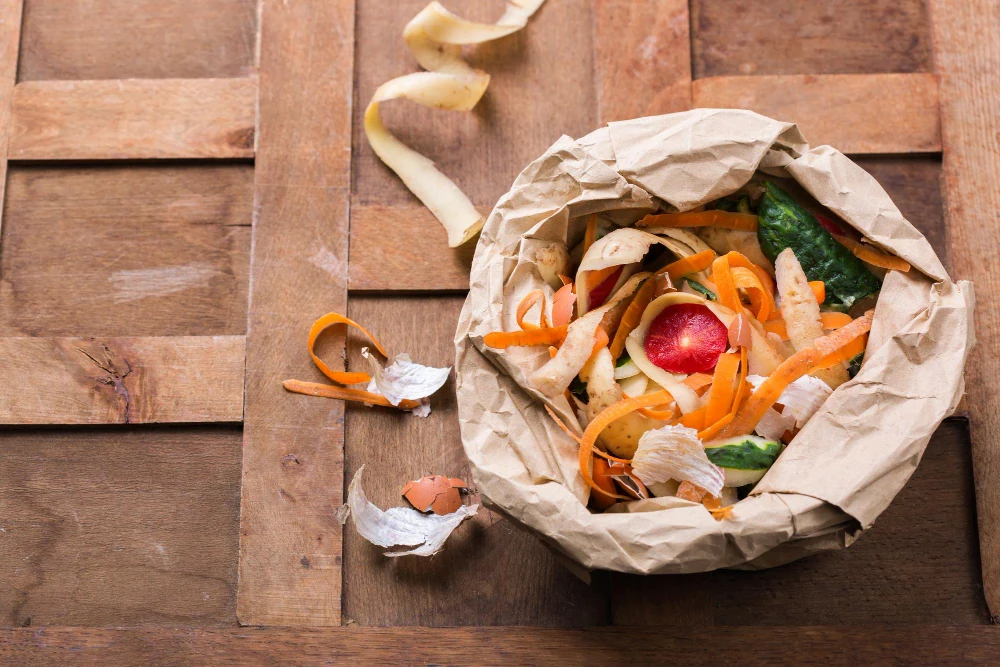
Not all kitchen waste can be added to the composter. Sorting biodegradable kitchen waste is necessary to ensure the composting process runs smoothly and efficiently. Here are several types of kitchen waste that are safe and effective for you to use to make compost:
Fruit and Vegetable Scraps
If you have fruit and vegetable scraps in the kitchen, do not throw them away immediately. Collect vegetable and fruit scraps, along with their peels, in a container for composting into fertilizer.
For faster composting, you can also prepare organic waste from fruit and vegetable scraps by cutting them into smaller pieces before placing them in the composter.
Coffee Grounds and Tea Leaves
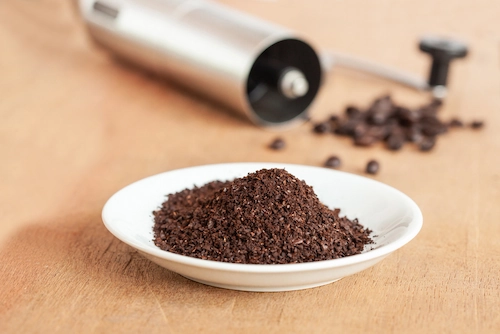
Coffee grounds and tea leaves are good nitrogen sources that support the activity of decomposers, allowing the composting process to proceed more quickly.
Ensure that tea leaves and coffee grounds used for composting do not contain sugar, milk, or added sweeteners. This is important to prevent unpleasant odors and reduce the risk of attracting pests.
Crushed Eggshells
If you have leftover eggshells after cooking, do not throw them away too quickly because they are enriched with carbonate calcium, which, when processed into compost, can help strengthen plant roots.
However, before using eggshells for compost, it is best to wash them thoroughly. After that, crush them into small pieces so they break down easily and mix evenly with the other compost material.
Read also: How to Carry Out Household Waste Management in 8 Ways
Banana and Shallot Peels
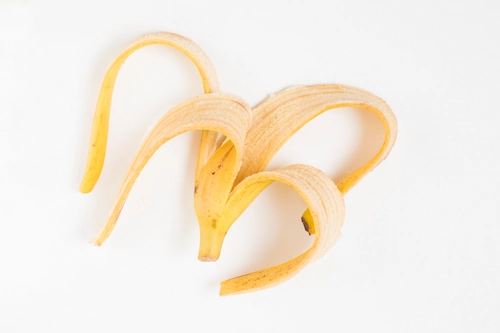
The potassium and phosphorus in banana peels are beneficial for plant growth. You can add banana peels to the composter along with other vegetable scraps to enrich the compost you make.
Additionally, you can also use shallot peels as a compost mixture. Shallot peels contain several compounds that can help support plant health and reduce pest attacks.
Leftover Rice
Having leftover rice that was not eaten? Do not throw it away, as it contains carbohydrates and essential minerals, such as phosphorus, magnesium, manganese, selenium, and iron. These nutrients can serve as a valuable source of macro- and micronutrients for plants.
In the composting process, leftover rice can help stimulate vegetative growth and support optimal plant development. Nutrient contents, such as K₂O, N, P₂O₅, water, CaO, organic materials, and a balanced C/N can contribute to healthier plant growth.
How to Make Natural Compost from Kitchen Waste
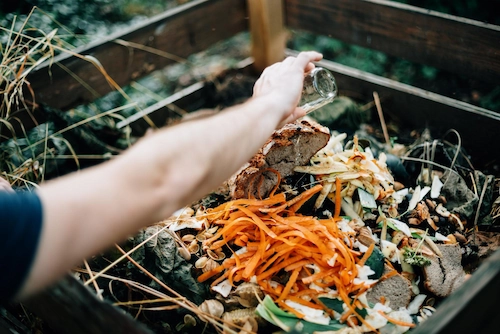
Turning leftover food scraps in the kitchen into compost can be a simple way to reduce organic waste at your home. Here is the complete guide to start the process:
Prepare a Container or Designated Area for Composting
The first step is to prepare a dedicated container. You can use a flower pot, a large bucket, or a wooden box as your compost bin. Ensure the bottom of the compost bin is lined with cardboard and create small holes underneath so excess liquid from organic waste can drain out.
However, if you would like to make compost in larger quantities and have empty space in your yard, you can create a compost pit. Then, simply dig a hole about 1.5–2 meters wide and around 1 meter deep to serve as the composting area.
Read also: 10 Examples of Organic Waste and Their Types You Should Know!
Collect the Sorted and Cleaned Kitchen Waste
After preparing the container or composting area, the next step is to collect sorted, cleaned kitchen waste. Ensure that vegetable and fruit scraps, coffee grounds, eggshells, and other organic materials are free from dirt or other food residues that should be included in the compost.
Cover the Waste with Soil and Sawdust
After all waste has been collected and mixed in the container, you can cover it with a layer of soil, sawdust, or dry leaves. This can help absorb odors, maintain moisture, and prevent pests from coming during the decomposition process.
Check the Compost Regularly
After covering the waste with soil and dry materials, make sure to check the compost regularly. Pay attention to whether the condition is too wet or too dry, and adjust it by adding water or more dry materials as needed.
Mix the Compost Weekly
In addition to checking the moisture and condition of the pile, make sure to turn the compost mixture every week. This step allows air to circulate through the compost pile, so decomposing microorganisms work more actively and the decomposition process is more efficient.
Compost is Ready to Use
Compost is typically mature and ready to harvest after 2–3 months. However, in areas with high rainfall, compost is typically ready within four months and made in ground piles with a cover for protection. It is important to note that the time required for compost to fully mature can vary depending on local conditions and climate.
Once the compost is ready, you can spread it in the garden, in the flower pot, or mix it into new planting media. Using compost will provide the plants with essential nutrients, allowing them to grow healthier and more fertile.
That concludes the explanation of how to make natural compost from kitchen waste, which you can easily practice at home. Making homemade compost can reduce household waste while also enriching your plants in an eco-friendly way.
Additionally, you can help preserve the environment on a broader scale. In this case, you can help save the earth with Indonesia Asri. Through the Jejak Asri campaign, you are invited to share stories and experiences about living an eco-friendly lifestyle.
Moreover, you can win prizes worth millions of rupiah if your story is selected by the judges! Let’s share your experiences before October 16, 2026!
Read also: How to Make Compost from Organic Waste, Easy and Fun!