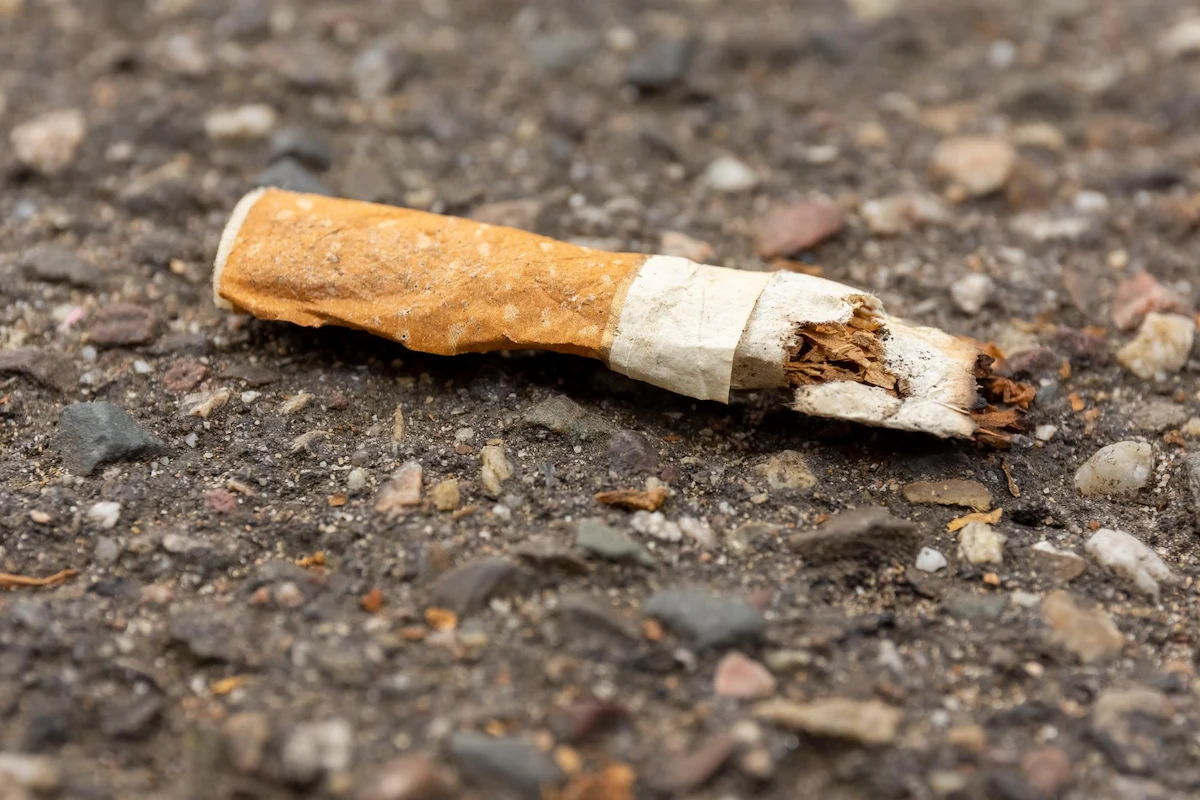
Every day, without us realizing it, cigarette butts pile up on sidewalks, gutters, parks, and even beaches. They may be small, but have you ever thought about how big their impact on the environment is?
Cigarette butts contain harmful substances that can contaminate soil and water for a long time. Their toxic residues can also harm human health, both through direct exposure and indirectly via contaminated environments.
If left uncleaned, cigarette butts can threaten our quality of life. So, to find out what potential dangers, read the following article to the end!
How Much Cigarette Butt Waste Is There?
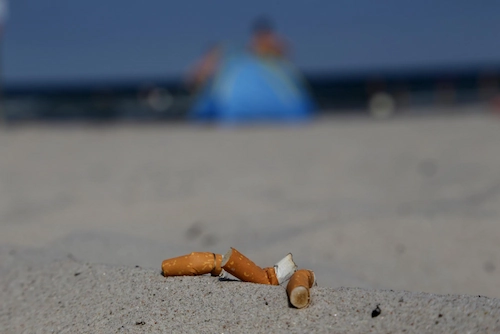
Many people may still think that cigarette butts waste is insignificant, but the data actually show the opposite. The annual report from Ocean Conservancy, as recorded in the databoks, reported 9.76 million pieces of trash found on the world’s coastlines in 2021.
Of that number, cigarette butts ranked second as the most common type of waste, with a total of 1.13 million. This means that more than one million cigarette butts were scattered along coastal areas in just one data collection period.
A similar situation also occurs in Indonesia. According to the databoks, the Lentera Anak Foundation’s Cigarette Waste Brand Audit report said that in 2025, 16,847 cigarette butts were found in the Jabodetabek area in 19.3 hours.
This figure shows that in less than a day, thousands of cigarette butts have polluted public spaces in a metropolitan area. This data confirms that cigarette butt waste is no longer a trivial matter, but an environmental issue that needs to be addressed.
The Dangers of Cigarette Butt Waste
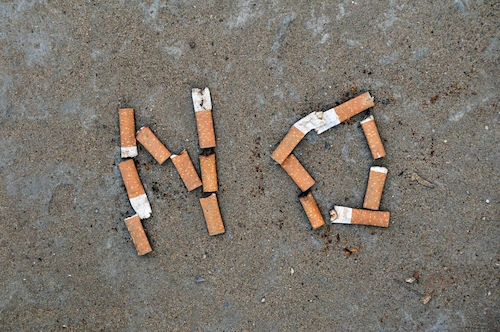
Cigarette butt waste may seem small and harmless, but its impact on the environment and health cannot be ignored. Below are some of the dangers cigarette butts pose.
Containing Toxic Chemicals
What kind of waste are cigarette butts? Cigarette filters are made of cellulose acetate, a chemical compound classified as hazardous and toxic, which means it must be handled specially and not carelessly discarded.
When cigarette butts are simply thrown on the ground or into gutters, they are not only difficult to decompose but can also release harmful residues into the environment.
Additionally, tobacco product waste contains more than 7,000 chemicals. At least 250 of these are hazardous, and 69 are classified as carcinogens that can cause cancer.
These substances do not disappear immediately after the cigarette is extinguished; they slowly seep out of the butt and into the soil, or are carried away by water. In the long term, this can pollute the environment and increase the risk of exposure to toxic substances for living creatures in the surrounding area.
Read also: 4 Types of Industrial Waste and How to Manage Them
Contaminating the Soil and Absorbed by Plants
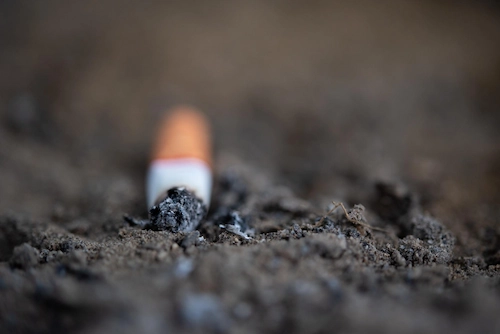
Cigarette butts contain hundreds of harmful chemicals, such as nicotine, arsenic, lead, cadmium, and various other compounds that are filtered out when cigarettes are burned. When cigarette butts are discarded on the ground, these substances do not disappear, but remain attached to the filter.
When exposed to rain and moisture, the chemicals in cigarette butts gradually dissolve and seep into the soil. The toxic chemicals that accumulate in the soil can disrupt soil microorganisms and inhibit plant root growth. Furthermore, these harmful substances can be absorbed by the roots and enter the plant’s tissues.
Polluting Aquatic and Marine Ecosystems
Cigarette butts that are carelessly discarded can be carried by rainwater into gutters and rivers, eventually ending up in the sea and polluting aquatic ecosystems. As explained earlier, cigarette butts contain various toxic substances, such as nicotine, heavy metals, and other chemical compounds that will dissolve into the water.
Small aquatic creatures will absorb these toxins, which are then transferred to fish, seabirds, turtles, and other animals that mistake cigarette butts for food. As a result, these animals can suffer organ damage, poisoning, and even death.
Read also: How to Reduce Water Pollution to Maintain Water Quality
Entering the Food Chain and Endangering Human Health
The dangers of cigarette butt waste do not stop at soil and water pollution. Toxic substances from cigarette butts potentially enter the human body through the consumption of contaminated seafood.
The same thing can happen on land. Plants that absorb toxins from the soil can be eaten by animals or consumed directly by humans. The transfer of these harmful substances in the food chain causes indirect exposure that often goes unnoticed.
In the long term, the accumulated heavy metals and certain chemicals can contribute to organ dysfunction, increase the risk of cancer, and trigger developmental problems in animals and humans.
That concludes the explanation regarding the dangers of cigarette butts waste, which often seem trivial but have a major impact on the environment and health.
By understanding the risks, we can be wiser in our actions and no longer dispose of them carelessly, thereby preserving the environment and ensuring everyone’s safety.
Addressing the issue of cigarette butt waste cannot be done unilaterally. Collaboration between individuals, communities, and stakeholders is needed to develop practical solutions, ranging from education to providing cigarette butt waste disposal facilities to behavior change campaigns in public spaces.
If you want to contribute further, you can get involved in various environmental actions with Indonesia Asri. By joining the #AksiAsri program, everyone has the opportunity to help create a cleaner, healthier environment.
So, register now as a Warga Asri and help save the environment for future generations!
Read also: 10 Effective Efforts to Overcome Environmental Pollution