

Table of Contents
Waste-to-energy power plants have now become one of the renewable energy options, addressing challenges posed by waste and energy needs. This technology is known to manage waste through thermal processes that generate power or electricity.
However, not all parties agree to apply waste-to-energy power plants. Learn the reasons through the following mechanisms, benefits, and applications of waste-to-energy power plants.
Understanding Waste-to-Energy Power Plants

Waste-to-energy power plants are conversion facilities that convert solid waste into electricity through thermal or non-thermal technologies. The leading technology converts waste into thermal energy, gas, or other fuels to power turbines.
Waste-to-energy power plants convert waste into energy while adhering to strict emission controls.
In Indonesia, waste-to-energy power plants are gaining popularity due to large-scale national waste accumulation. The newest data from the National Waste Management Information System (2024) show the following condition:
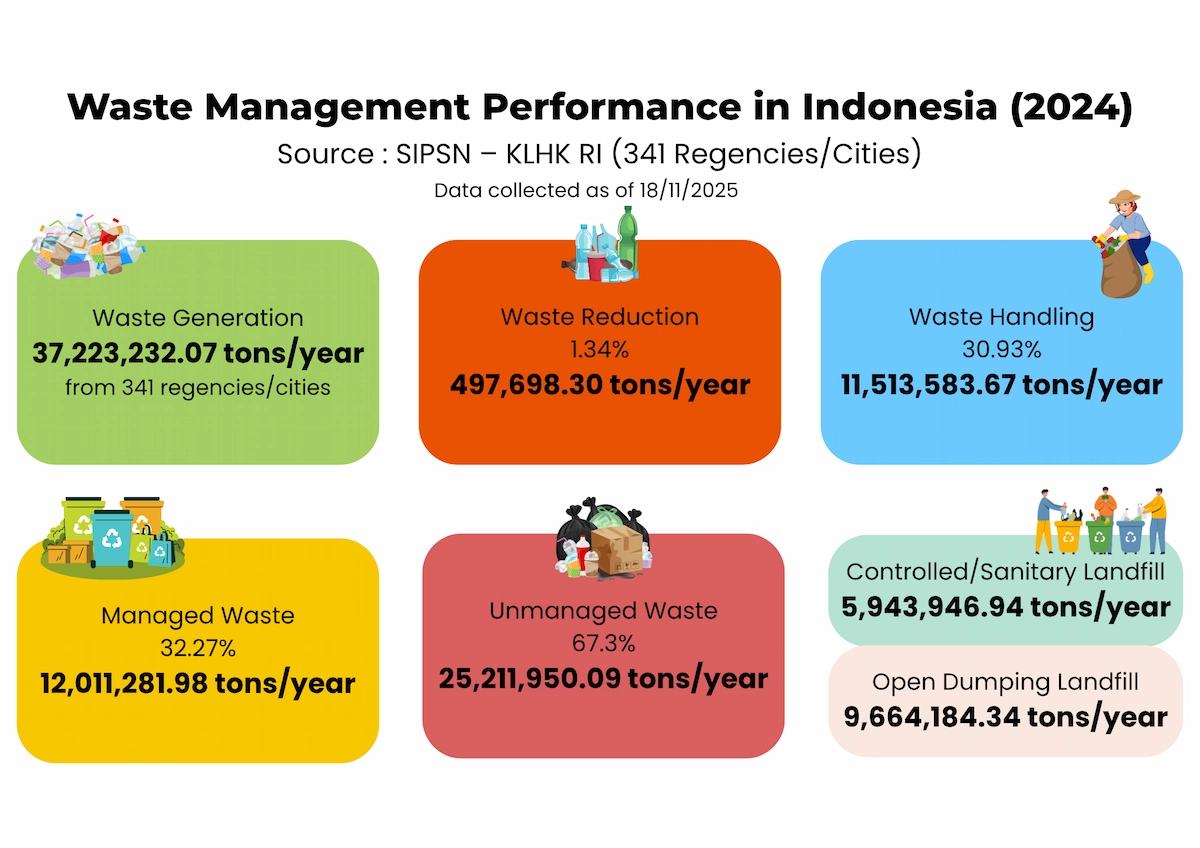
- National waste accumulation: 37,223,232.07 tons per year.
- Waste reduction: 1.34% or 497,698.30 tons per year.
- Waste management: 30.93% or 11,513,583.67 tons per year.
- Managed waste: 32.27% or 12,011,281.98 tons per year.
- Unmanaged waste: 67.73% or 25,211,950.09 tons per year.
The numbers above exhibit that waste management is far from ideal. This situation presents a new opportunity to use waste-to-energy power plants to address the problem and reduce waste.
Mechanisms of Waste-to-Energy Power Plants
The mechanisms of waste-to-energy power plants involve interconnected steps to convert waste into power. These include:
1. Waste Reception and Preparation
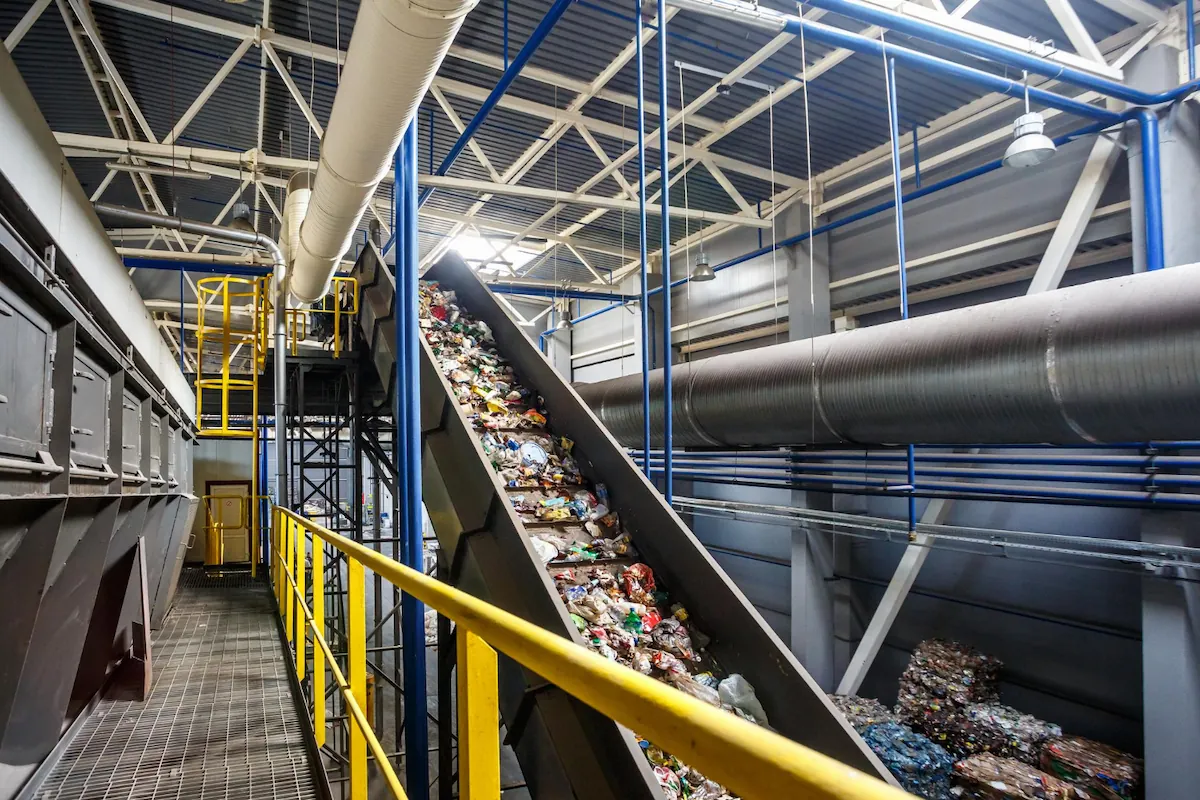
Waste originating from waste disposal or direct sources is sent to the receiving area for placement in the waste pits. They are then sorted to separate combustible and non-combustible waste.
If the waste is excessively wet or varies in moisture content, mechanical sorting, shredding, and drying into RDF (Refuse-Derived Fuel) are required.
2. Combustion Process in the Boiler
The waste is moved into the boiler room via an automated feeding system. In the boiler, the waste is burned at temperatures of 850–1,000 degrees Celsius to generate heat that converts water into pressurized steam.
3. Power Generation
During this step, the hot steam flows to the turbines for rotation and powers the generator. Power or electricity is generated in this step and will flow to the electricity network after the voltage is increased.
4. Steam Condensation
After the steam exits the turbines, they are no longer hot. The steam then enters the condenser, where it cools and eventually condenses into water, and is pumped back into the boiler for another power generation cycle. This enclosed cycle can help save water and energy.
5. Waste Gas and Ash Management
The combustion process’s gas residue is cleaned through the emission control system before being released into the air. Solid residue of the combustion may consist of bottom ash and fly ash.
Bottom ash can typically be used as a construction material, whereas fly ash requires specific management due to its potentially harmful substances.
Read more: Why Is Using Too Much Electricity Bad for the Environment?
Benefits of Waste-to-energy Power Plants
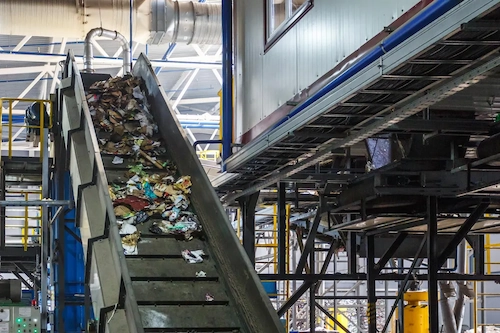
There are a few benefits of waste-to-energy power plants that are important for waste management and the provision of renewable energy. These include:
1. Reducing Waste Volume Significantly
Waste-to-energy power plants can handle a significant volume of waste and reduce the volume that must be sent to waste disposal to 80–90%. This reduction leads to greater use of waste disposal facilities and a reduced risk of soil pollution due to the constant increase in waste volume.
2. Generating Renewable Electricity
Waste-to-energy power plants convert waste into electricity that can be persistently generated. This renewable energy helps reduce dependence on fossil fuels and provides a stable electricity supply to surrounding areas.
3. Reducing Greenhouse Gas Emissions
Organic waste accumulation in landfills produces methane, a gas that significantly contributes to the greenhouse effect.
By directly managing waste in waste-to-energy power plants, methane formation can be prevented, thereby significantly reducing greenhouse gas emissions in the waste sector.
Challenges and Risks of Waste-to-energy Power Plants in Indonesia
Waste-to-energy power plants require a significant volume of waste to operate efficiently, at least 1,000 tons per day. If this supply is not fulfilled, coal must be added to power plant facilities to maintain combustion stability.
The dominance of organic waste in Indonesia also results in suboptimal combustion due to its low calorific value. In addition, waste-to-energy power plants produce harmful ash that belongs in the B3 waste category and requires specific management to prevent pollution.
The risk of air pollution is also highlighted. Combustion processes can generate harmful gases, such as dioxin, furan, sulphur, and nitrogen oxides.
Concerns about health impacts and air quality led to some rejection of building waste-to-energy power plants. Therefore, several parties stated that biogas technology is suitable for waste conditions in Indonesia, which consists of organic substances.
Meanwhile, the most basic action still lies in reducing waste at the source, involving wiser consumption and a sustainable waste management system.
Examples of Waste-to-energy Power Plants in Indonesia
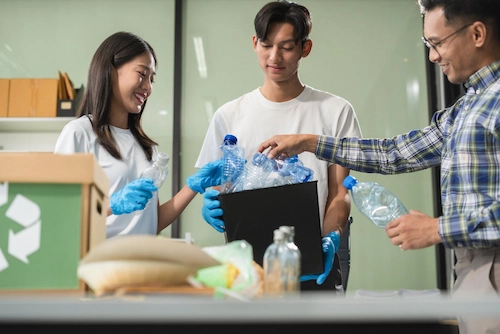
The Indonesian government encourages waste-to-energy power plants in many major cities as an essential step to reduce waste accumulation.
Between 2019–2022, waste-to-energy power plant facilities were built in 12 cities, including Jakarta, Denpasar, Tangerang, Tangerang Selatan, Bekasi, Bandung, Semarang, Surakarta, Surabaya, Makassar, Palembang, and Manado.
This referred to Presidential Regulation No. 35 Year 2018, which targets accelerating waste management that generates energy through environmentally friendly technologies.
This concludes the complete explanation related to waste-to-energy power plants and their application in Indonesia. Small habits, such as sorting waste, can also support how these power plants work.
Sorting waste correctly can make waste management easier. In addition, you can help optimize environmental management by joining the Indonesia Asri community and participating in #AksiAsri activities.
#AksiAsri activities invite you to adopt a more environmentally conscious lifestyle, including simple steps to reduce waste accumulation.
Are you ready to take real action for your environment? Register now and start your journey as Warga Asri who supports a cleaner, more beneficial future of waste management for everyone.
Read more: Mechanisms and Benefits of Micro Hydro Power Plant