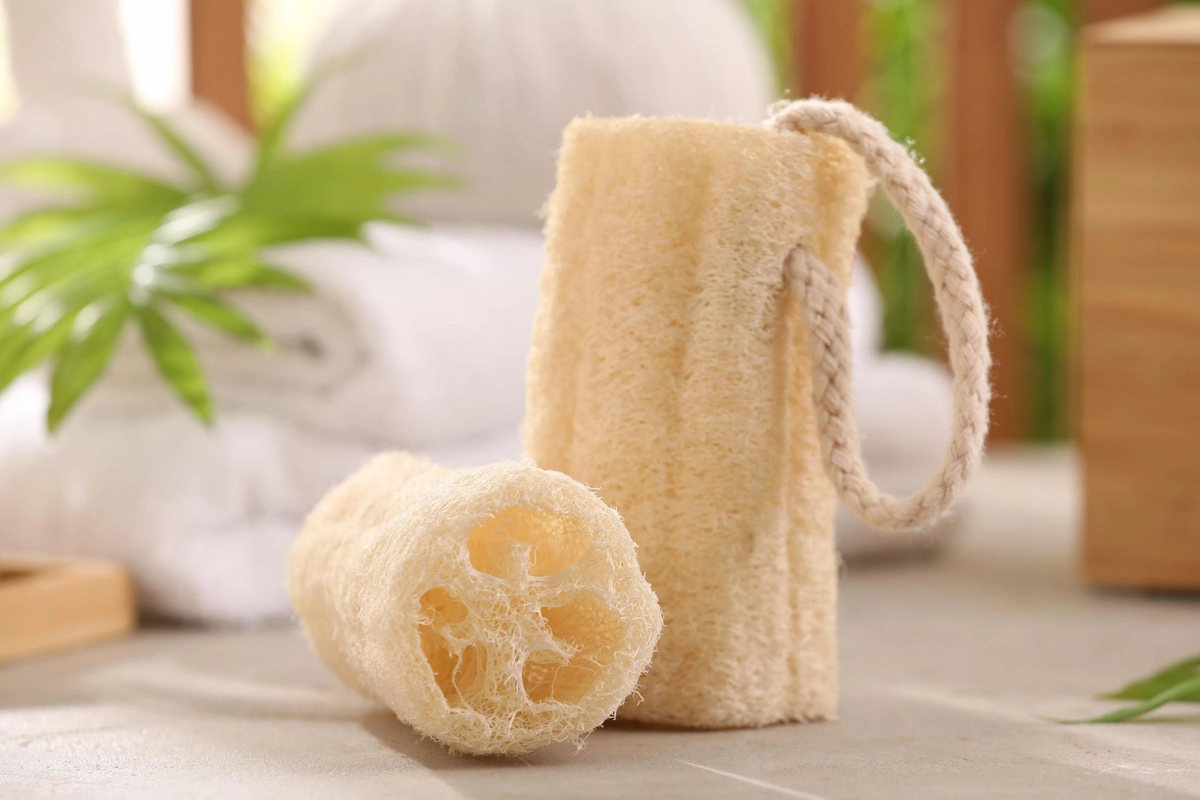
Have you ever heard of a loofah? For those unfamiliar with loofahs, the term might sound unfamiliar. In fact, a loofah is a natural sponge used to help cleanse and care for the skin.
Loofahs are known to be effective at exfoliating dead skin cells. That is why they are widely used in daily body care routines.
The benefits of loofahs are not only limited to skin care but also to other household needs. Curious about what a loofah is and how it can be used in daily life? Let’s explore the details in this article!
What Is a Loofah?
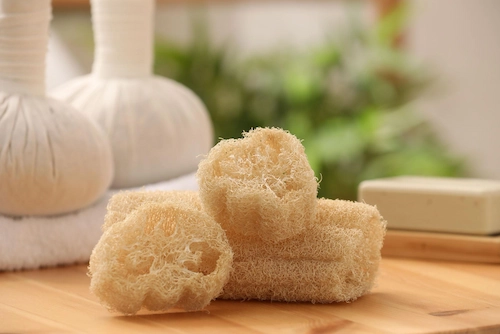
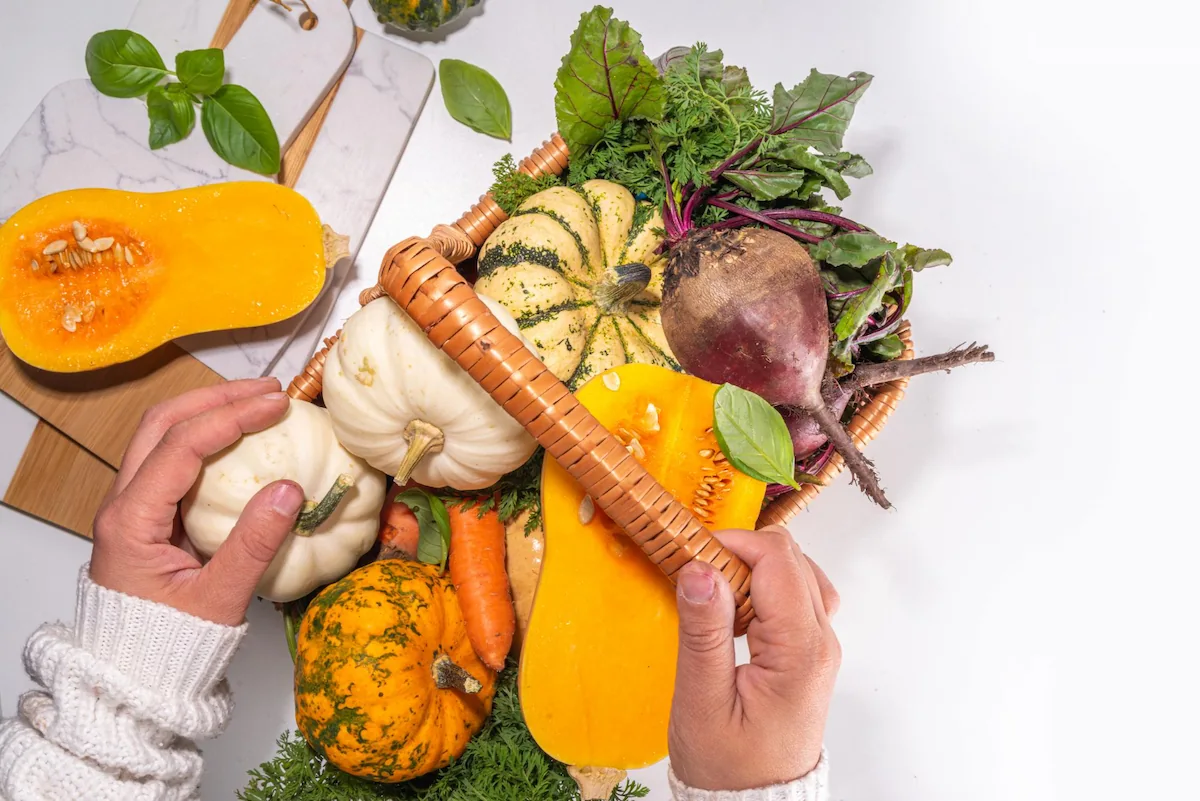
Many people assume that a loofah comes from dried coral or sea sponges because of its dry, rough, and slightly spongy texture. In reality, a loofah is a natural sponge made from the fruit of a gourd plant in the cucumber family, specifically the luffa gourd, also known as gambas in Indonesian.
Luffa gourds are widely cultivated in tropical and subtropical regions and resemble zucchini in shape. After harvest, the gourds are left to dry naturally for several weeks. They must be completely dry before they can be used as sponges.
Besides being used as bathing tools, loofahs can also be used to clean household items due to their fibrous, fairly sturdy texture. When used on the skin, loofahs can help make the skin feel smoother and cleaner.
Benefits of Loofah
In everyday life, loofahs are often used as body sponges, but their benefits actually extend far beyond that. Here are some of the benefits you can get from using a loofah:
More Deep Skin Cleansing
Using a loofah while bathing can help cleanse the skin more thoroughly than using your hands alone. Its fibrous texture effectively removes dirt, oil, and dead skin cells from the skin’s surface. As a result, the skin feels cleaner, fresher and appears smoother with regular use.
Helps Improve Blood Circulation
When used to gently scrub the body, a loofah sponge provides a light massage effect on the skin. This motion is believed to improve blood circulation in the skin’s surface, leaving the body feeling more relaxed and refreshed after a shower.
Multifunctional for Household Needs
In addition to bathing, a loofah sponge can be used as a natural cleaning tool around the house. Its fibrous texture makes it suitable for cleaning kitchen utensils, sinks, and even wooden tabletops without damaging the surface.
Read also: How to Recycle Waste in 6 Easy Ways: Let’s Be Creative!
How to Make a Natural Loofah at Home
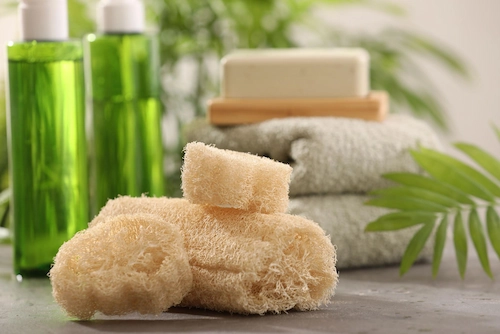
Making a natural loofah at home is actually quite easy, especially if you have a grown luffa or gambas gourd. You can also easily find these gourds at the market.
Once you have the luffa or gambas gourd you need, follow these steps to make a natural loofah at home:
- Typically, a luffa gourd ready for use is brownish and feels lighter. When shaken, you can hear the seeds rattling inside.
- After that, let the luffa gourd dry until the inside is completely dry.
- Once the loofah is completely dry, gently peel off the outer skin until the fibers inside are visible.
- Then, soak the loofah fibers in warm water for one minute to remove the seeds and mucus, then squeeze out the water. Repeat this step 2–3 times.
- After that, rinse the loofah under running water until clean.
- Next, soak the loofah in warm water to ensure it is thoroughly cleaned.
- Dry the loofah in the sun until completely dry before use.
- Finally, cut the loofah into pieces according to the size you need.
Read also: 10 Simple Waste Recycling Examples, Give It a Try!
Loofah Maintenance Tips
Although loofahs are biodegradable and eco-friendly, they still need to be properly maintained to stay hygienic and prevent mold growth.
Loofahs are frequently exposed to water and used in damp areas, so they can become breeding grounds for bacteria if not cleaned regularly. Here are some ways to care for your loofah sponge to keep it clean and long-lasting:
- Rinse the loofah thoroughly after use.
- Squeeze out excess water from the loofah sponge.
- Hang the loofah sponge in a well-ventilated area.
- Avoid storing the loofah sponge in overly damp areas.
- Be sure to soak the loofah sponge in warm water regularly.
- Use a mixture of water and vinegar when soaking the loofah for 5–10 minutes to help reduce bacterial growth.
- If it starts to deteriorate or develop an odor, you can replace it with a new natural sponge.
That concludes the information on loofah, from the definition, benefits, how to make it, and tips for maintaining it to keep it clean and long-lasting. By processing gambas into loofahs and using them, you can also contribute to creating a greener Indonesia.
In addition to using sustainable products, Warga Asri can also protect the environment by sorting waste wisely so that more items can be reused or processed into other valuable products.
To support a more environmentally conscious lifestyle, you can also join Indonesia Asri. With Indonesia Asri, you can start adopting a sustainable lifestyle by getting involved in various environmental initiatives, including Jejak Asri.
Through this campaign, you can share your small contributions that positively impact the environment while inspiring more people to help protect the Earth.
You can submit your inspiring story until October 16, 2026, and get the chance to win prizes worth up to millions of rupiah.
Register now and let’s contribute together to keep Indonesia’s environment sustainable!
Read also: 11 Must-Have Eco-Friendly Products: Which One Is Your Fave?