
When using a product, many consumers become more critical regarding the source of the material, the production process, and the impact on many life aspects. As a result, many manufacturers try to fulfill this need by bringing organic, natural, and vegan products.
Yet, what is the difference between organic, natural, and vegan products? Let’s learn the properties and benefits of each in the explanation below!
The Difference Between Organic, Natural, and Vegan Products
It is important to address organic, natural, and vegan products you find daily properly so that you can purchase according to your needs. Here is the complete information:
What Are Organic Products?
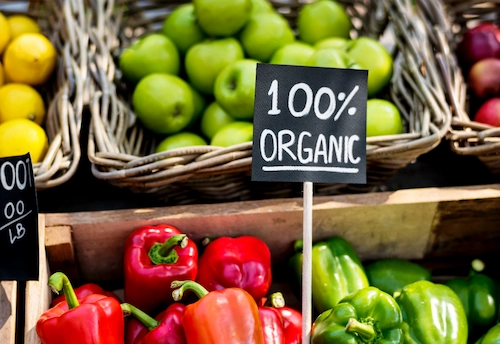
Organic products are made of crops cultivated using natural fertilizers and pesticides. Moreover, these products limit or prohibit the use of synthetic pesticides, synthetic fertilizers, growth hormones, and genetically modified organisms (GMOs).
Here are some characteristics of organic products you must know:
- Produced following organic standards and has official organic labels or certifications.
- Considering animal welfare and reducing ecological impact.
- The size and shape are various.
- The color of the products appears more natural and is not uniform.
- The shelf life is shorter because it has limited synthetic preservative use.
However, it is important to note that the physical, color, and shelf life properties are not absolute indicators that a product is truly organic. You still have to inspect the organic label or certification on the packaging to make sure that the product is organic.
Regarding organic labeling, producers must understand the specific rules. To bear an organic label or make an organic claim, a product must contain at least 95% ingredients certified as organic by an Organic Certification Body (OCB), with the remaining 5% consisting of inorganic ingredients included on an approved list from a trusted certification body. Organic claims are divided into several categories, such as:
- 100% organic: For products whose entire ingredients meet the organic requirement, like fruits and vegetables.
- Organic: For products that contain at least 95% of organic materials, like ketchup made from organic tomatoes.
- Made with organic ingredients: For products containing at least 70% of organic materials, like cereal made from 70% organic oats.
With a production prioritizing natural processes, organic products bring several benefits, such as:
- Health benefits: Lower pesticide exposure affects several health indicators positively, such as Body Mass Index (BMI) and sperm quality. Regular consumption also lowers allergy risk in children.
- Environmental benefits: Reducing the risk of air, water, and soil pollution. Organic agriculture focuses on fixing the soil structure, supporting biodiversity, and maintaining ecosystem balance.
- Taste benefits: Provides a more satisfying dining experience with flavors that are perceived as more natural and fresh.
You may also like: Food Loss: Differences from Food Waste & How to Overcome It
What Are Natural Products?

Natural products use natural materials, such as plants, animals, minerals, or marine animals. Below are the characteristics of natural products:
- Using unmodified materials.
- Retaining materials’ natural properties.
- Considering consumers and environmental safety.
- Possessing uniform chemical structures.
- 100% natural, which results in a shorter shelf life because there are no preservatives.
A product is considered “natural” if it contains at least 50% natural ingredients, at least 5% of its ingredients are certified organic, and it is not included on the “forbidden list” (a list of ingredients prohibited in products because they do not meet applicable safety standards or regulations) issued by the BPOM or the Ministry of Health.
It is also crucial to understand that not all natural ingredients can be categorized as organic. Some ingredients, such as salt, water, and clay, are classified as natural but are not organic because they are not agricultural products. Therefore, organic products are definitely natural, but natural products are not necessarily organic.
Natural products offer various benefits, such as:
- Health benefits: Reducing the risks of allergy and irritation because the formula is more gentle and undergoes fewer processes compared to synthetic products.
- Environmental benefits: Minimizing environmental impact because the products can be decomposed naturally. These products also support sustainable agriculture practices since they do not use synthetic fertilizers and pesticides.
- Buying decision benefits: Natural products show ingredients more openly, allowing consumers to acknowledge the ingredients easily, which later increases customer trust.
Interestingly, a systematic review published in the journal Molecules (2021) examined 38 studies on Indonesian natural products and found potential activity against colorectal cancer cells. This activity suggests that these natural products have the potential to be developed as future candidates for cancer therapy.
Read also: Check Out These 11 Eco-Friendly Gifts for Various Occasions!
What Are Vegan Products?
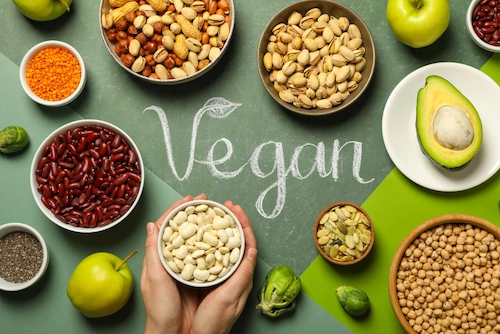
In addition to organic and natural products, you may have also heard the term “vegan products.” Vegan products do not use animal-derived ingredients or byproducts in their formulations or manufacturing processes.
However, animal-derived ingredients cannot always be replaced by plant-based ingredients. An ingredient that typically comes from animals can be replaced with a synthetic alternative created in a laboratory.
If you want to use vegan products, here are some characteristics you can consider:
- The production, management, and distribution are carried out without involving non-vegan ingredients (gelatines, collagens, caseins, honey, creatine, whey, and beeswax) and avoid cross-contamination with those ingredients.
- No animal testing.
- Possessing “vegan” or “suitable for vegans” on the packaging. The products also have vegan certification from the Vegan Society, V-Label, and Certified Vegan Logo.
Many people choose vegan products because they consider the following benefits:
- Health benefits: According to an article published in the journal Trends in Food Science & Technology (2025), a vegan diet can help improve metabolic health in adults, particularly by reducing weight and Body Mass Index (BMI), as well as improving fasting blood sugar levels, total cholesterol, and “bad” cholesterol.
- Environmental benefits: By reducing the consumption of animal products, emissions associated with food production can be reduced. A plant-based diet also helps optimize the use of land and water resources.
- Ethical benefits: Consuming vegan products is an ethical way to support animal welfare.
The differences between organic, natural, and vegan products are classified based on their origin and characteristics of the ingredients, production methods, and the use of animal-derived ingredients. Understanding these differences can help you choose the products you need more accurately, thoughtfully, and in line with your needs and values.
Let’s Implement Sustainable Living with Indonesia Asri!
If you look closely, the three products above offer several environmental benefits, including reduced pollution risks and improved resource efficiency. This aligns with a lifestyle that prioritizes environmental sustainability, or sustainable living.
Beyond consumption, sustainable living can also be practiced through transportation. You can start by choosing eco-friendly vehicles to reduce your carbon footprint and help maintain global temperature stability.
Additionally, there are many simple actions you can take to keep the environment clean and beautiful. You can find some of them in the #AksiAsri program in Indonesia Asri.
#AksiAsri is an environmental conservation initiative presented in a fun and modern format, including the Operasi Semut #pilahsampah and “Jejak Asri Hobbies.”
Interested in joining the #AksiAsri program? Sign up as a Warga Asri to make a real contribution toward a greener Indonesia!
Explore this: Vegan Leather: Types & Differences from Animal Leather