Nature can continue to support life because every living creature and element within it interacts and plays its own role. When these relationships are maintained, various natural processes can happen in harmony and sustainably. This is what creates ecosystem balance.
Ecosystem balance is one of the keys to nature functioning as it should. To better understand ecosystem balance, the factors that affect it, its characteristics, and ways to support it, check out the full explanation in this article.
Why Is Ecosystem Balance Important?
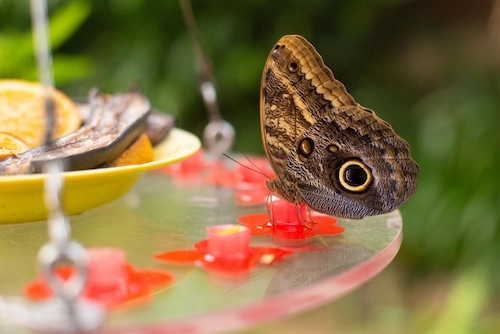
Ecosystem balance is a condition in which all components of the ecosystem, both living (biotic) and non-living (abiotic), interact harmoniously so that natural functions can proceed as they should.
In this condition, each component plays a complementary role: plants as producers, animals as consumers, and microorganisms as decomposers that help return nutrients to the soil.
It is important to understand that ecosystem balance doesn’t mean nature always stays the same without changes. On the contrary, a healthy ecosystem can adapt to natural changes, like seasonal shifts or fluctuations in animal populations, without losing its function.
The balance of the ecosystem needs to be maintained because all living things depend on each other. When the relationship between biotic and abiotic components is preserved, the food chain can function properly, water and nutrient cycles continue, and biodiversity can be maintained.
A balanced ecosystem also helps maintain the availability of natural resources, such as water, fertile soil, and air, which support the lives of all living beings. Therefore, maintaining the ecosystem’s balance is a shared responsibility so that its benefits can be enjoyed by both current and future generations.
Read also: Environmental Problems: Causes, Impacts, and Solutions
Factors That Affect Ecosystem Balance
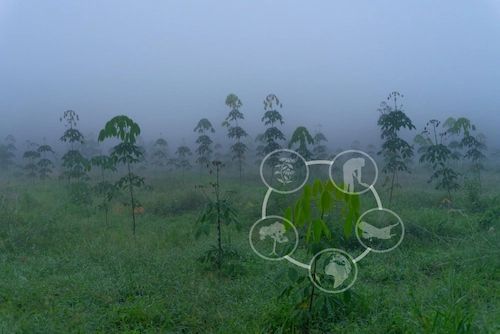
Ecosystem balance does not just happen on its own. This condition is influenced by various interrelated factors arising from both natural processes and human activities. Here are some factors that affect ecosystem balance:
- Climate change: Climate factors, such as temperature, rainfall, humidity, and sunlight, play an important role in determining an ecosystem’s condition. These factors influence plant growth, food availability, and even animals’ ability to adapt to their habitats.
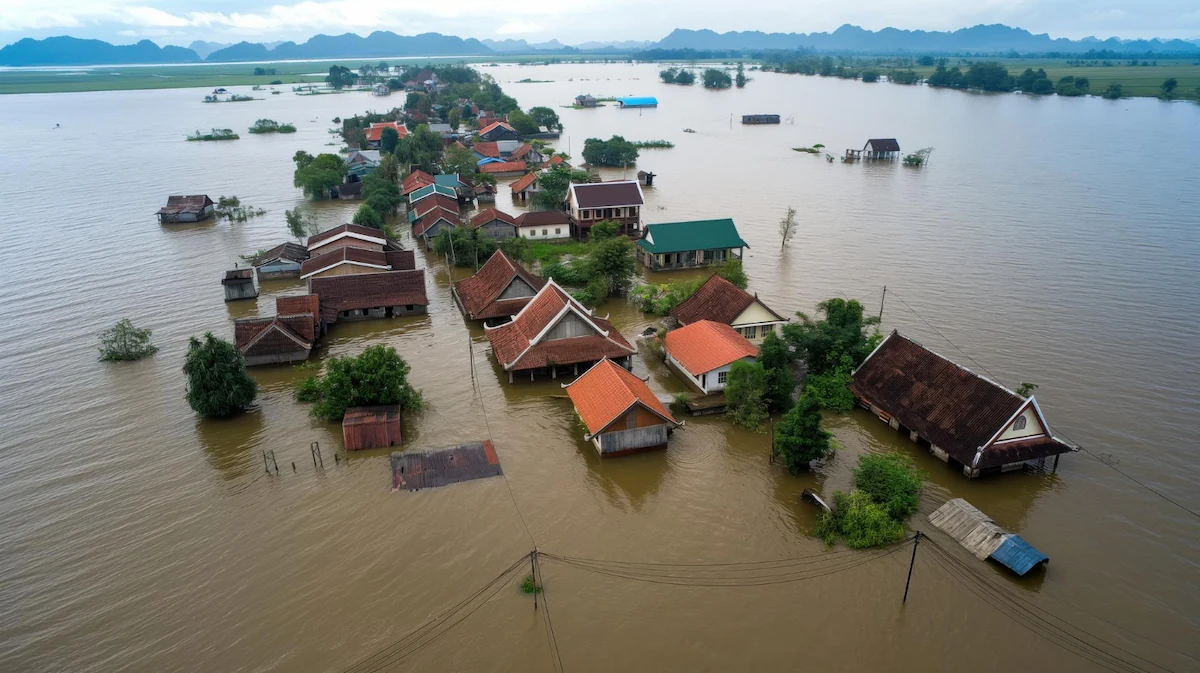
- Natural disasters: Natural disasters, such as floods, earthquakes, volcanic eruptions, and droughts, can change ecosystem conditions quickly. Although many ecosystems can recover naturally, large-scale disasters can affect the ability of organisms in those habitats to survive.
- Land conversion: Converting forests, wetlands, or open spaces into residential or industrial areas can reduce the natural habitats available to various species. The smaller the space available, the harder it is for living beings to maintain their populations.
- Natural resource exploitation: Excessive use can reduce nature’s ability to recover. Therefore, resource use needs to be managed wisely to preserve ecosystem functions.
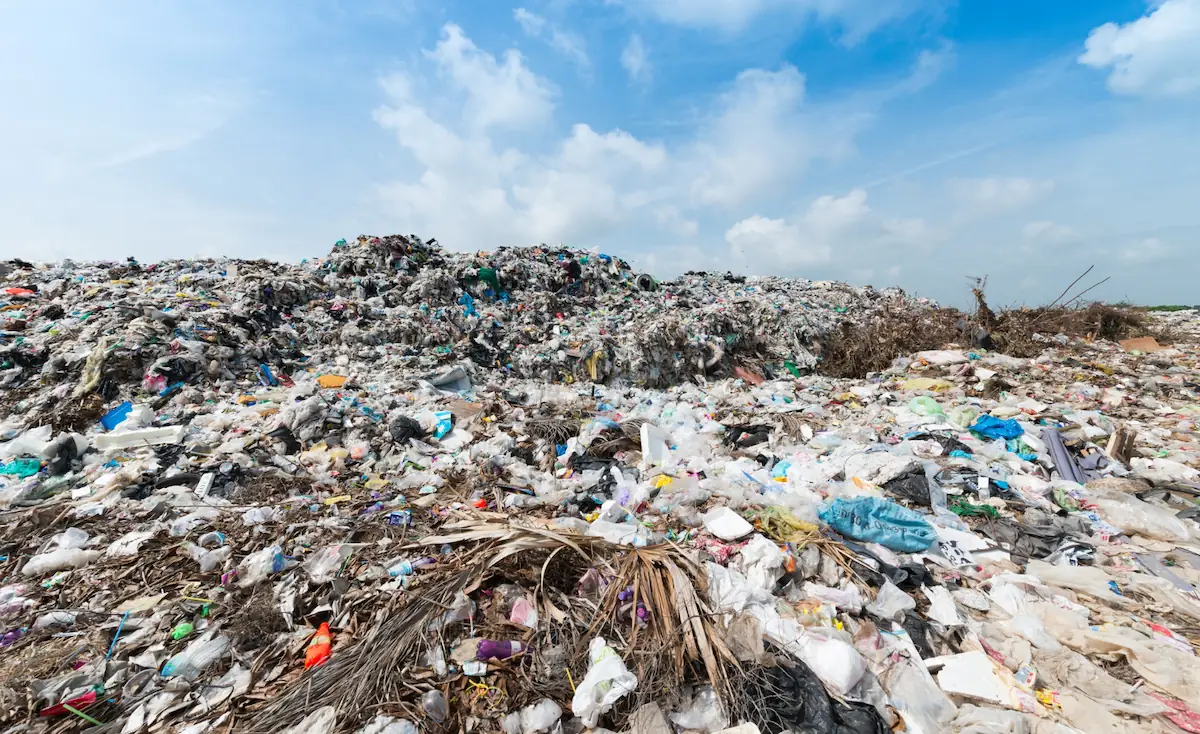
- Environmental pollution: Pollution of water, soil, or air can degrade the environment where living beings thrive. This can affect organism growth, disrupt habitats, and hinder the natural processes that maintain ecosystem balance.
Characteristics of Ecosystem Balance
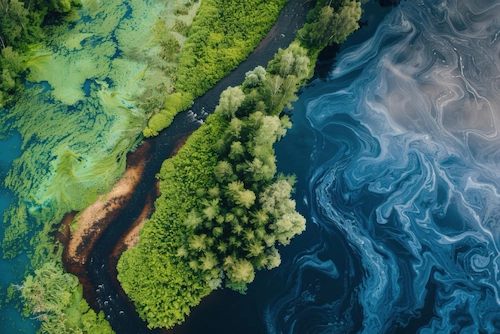
A balanced ecosystem can be recognized by several characteristics that show the relationship between living things and their environment is functioning well. Here are the signs of ecosystem balance you should know:
- The number of living things in an ecosystem tends to remain stable, with no drastic increases or decreases. This condition allows each species to play its role in maintaining natural balance.
- The flow of energy from producers to consumers to decomposers happens continuously. Each living thing gets food according to its needs, so the relationships between populations remain maintained.
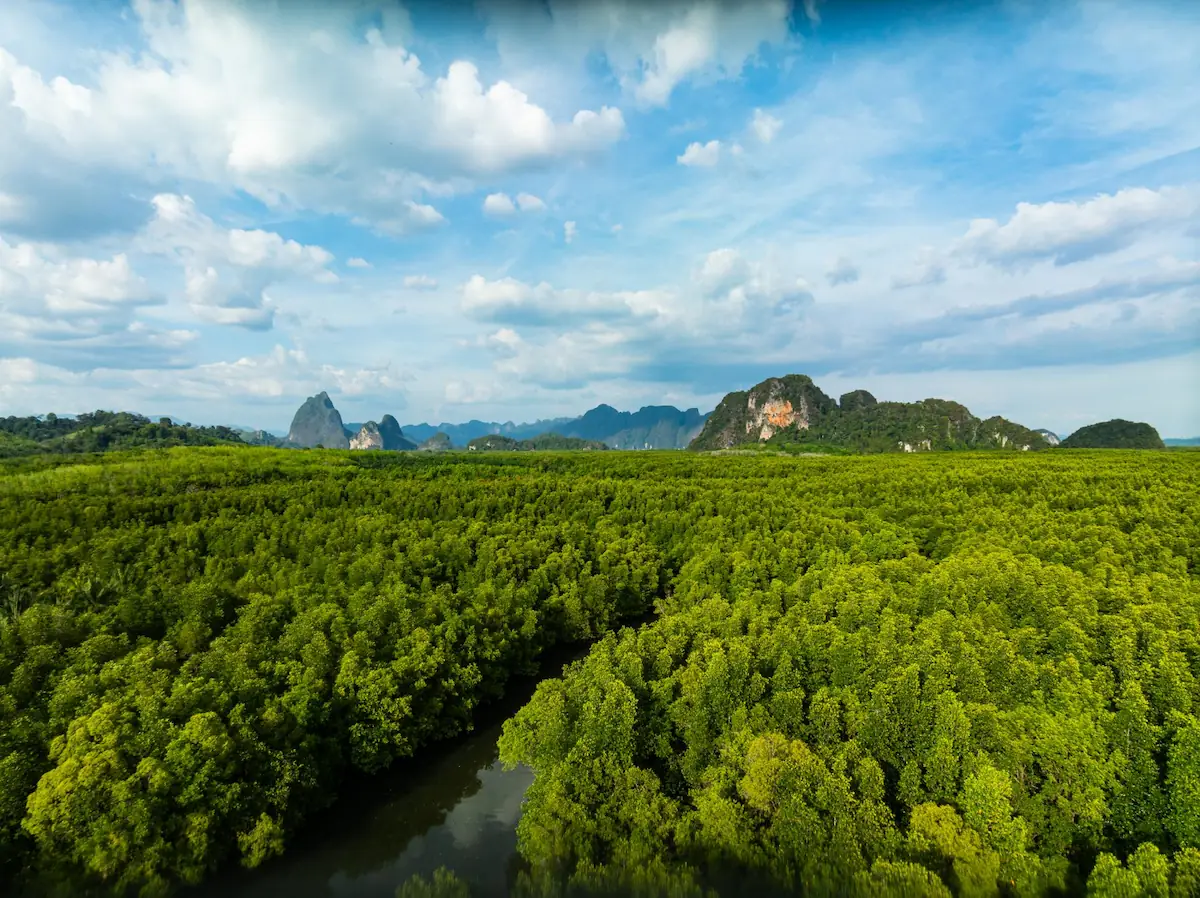
- Various types of plants, animals, fungi, and microorganisms can live side by side according to their respective habitats. Preserved biodiversity makes the ecosystem more resilient to environmental changes.
- Water, air, and soil are in good condition, so they can support plant growth and the lives of various animals. A well-maintained environment also creates a comfortable and healthy habitat for every organism.
- A balanced ecosystem is characterized by habitats that meet the needs of diverse living beings. The availability of food, water, shelter, and space for activities enables each organism to carry out its life cycle optimally, in line with its role in nature.
Read also: The Impacts of Environmental Change and How to Handle It
What Does It Take to Keep an Ecosystem Balanced?
Maintaining the balance of the ecosystem can start with simple habits practiced consistently. Here are some steps you can apply in your daily life:
- Sorting and managing waste properly.
- Supporting the implementation of a circular economy.
- Saving water and energy.
- Preserving the habitats of plants and animals.
- Participating in environmental conservation activities.
- Educating the people around you about the importance of maintaining the ecosystem.
That concludes the explanation about the definition, factors, characteristics, and ways to support the balance of the ecosystem. Taking care of nature’s balance is not only the responsibility of certain parties, but it can start with simple steps each individual takes in their daily lives.
If you want to make a real contribution to environmental preservation, don’t hesitate to join Indonesia Asri. Through the #AksiAsri program, you can take part in various activities that promote a sustainable lifestyle and environmental awareness.
For example, you can join Operasi Semut, a movement that encourages the community to keep the environment clean by picking up and sorting trash together.
Besides Operasi Semut, there are plenty of other inspiring programs you can join to make a positive impact on the environment. Register now to become a Warga Asri!
Read also: Getting to Know the Types of Living Environments Around Us