Living things around us, from plants and animals to microorganisms, play a vital role in maintaining the balance of nature. Without them, ecosystems cannot function properly, and various life processes would be disrupted.
These components are known as the biotic environment, which consists of all living elements that interact with one another within an ecosystem. Let’s explore this topic in this article to learn more about the biotic environment and its components!
What Is a Biotic Environment?
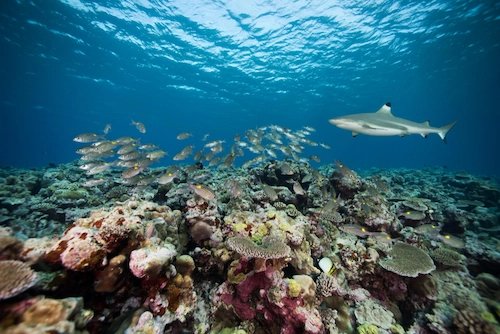
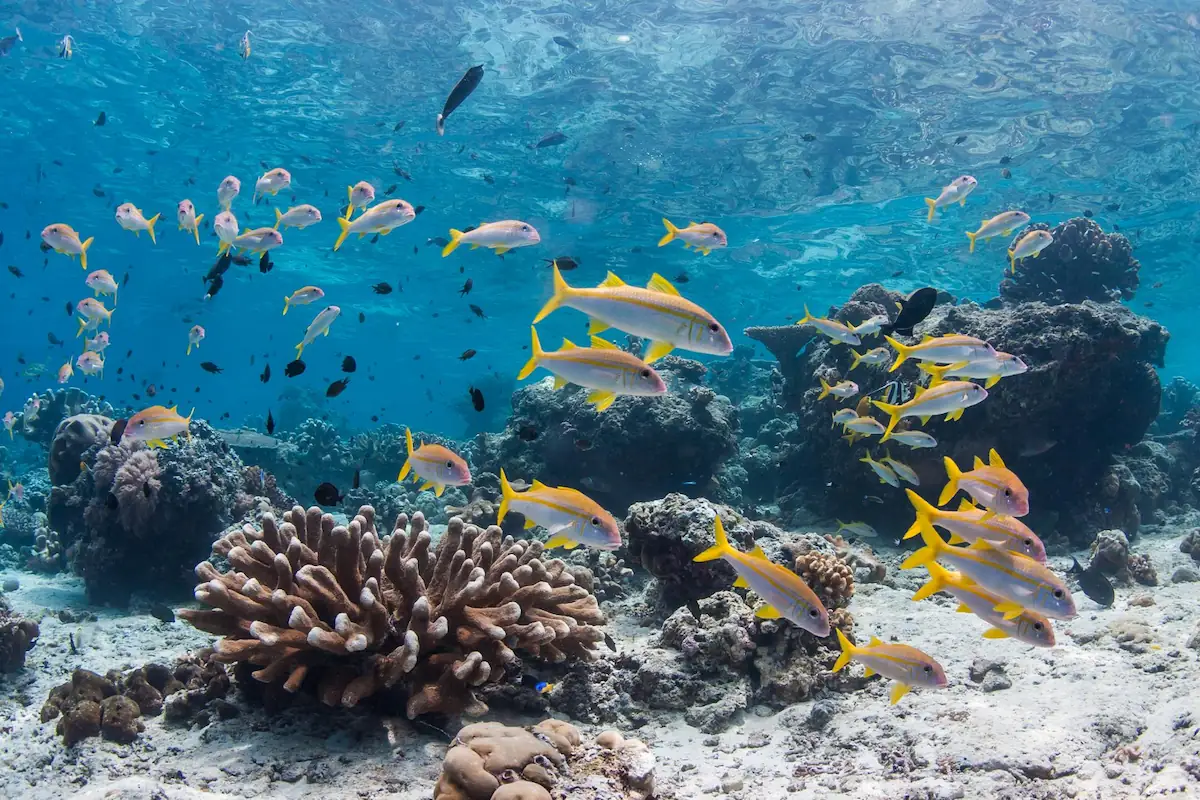
A biotic environment is the component of an ecosystem consisting of all living organisms. The examples include humans, animals, plants, and even microorganisms. Every living organism plays a specific role that supports the continuity of life in nature.
Biotic components do not exist in isolation, but rather interact with one another and are connected to the abiotic environment, including water, soil, air, and sunlight. Through these interactions, a balanced ecosystem is formed, allowing various life processes to function properly.
Within an ecosystem, the biotic environment functions not only as a habitat but also as a driving force behind various life processes. Each organism plays a distinct role, ranging from producing food and consuming energy sources to decomposing the remains of other living things.
These interdependent relationships create a balance that allows ecosystems to function properly. Therefore, the existence of every biotic component is vital for sustaining life on Earth.
Components of the Biotic Environment
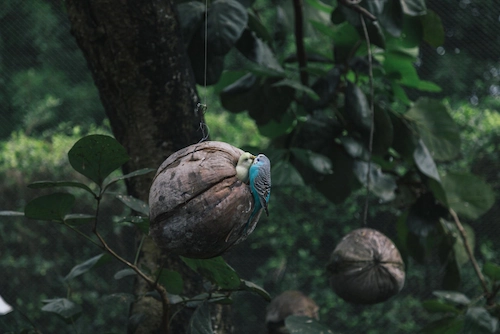
Now that we have discussed the definition, it is time to learn about the components found in a biotic environment. What exactly are they? A biotic environment consists of various living organisms that play different roles but support one another within an ecosystem.
Generally, the components of a biotic environment can be divided into three main groups: producers, consumers, and decomposers. All three are interconnected and inseparable from one another. Below is the explanation:
Producers
Producers are organisms capable of making their own food through photosynthesis. This ability makes producers the primary source of energy for other living things.
Some examples of producers that are easy to find around us include trees, grass, algae, and other green plants.
Read also: 7 Advantages of Biopori for the Environment You Must Know
Consumers
If producers can make their own food, what about animals and humans? Both belong to the consumer group. Consumers are organisms that obtain energy by consuming other living things.
Based on their diet, consumers are classified as:
- Herbivores: Plant-eating animals, such as cows and rabbits.
- Carnivores: Animals that obtain energy by eating other animals, such as tigers and eagles.
- Omnivores: Animals that can consume both plants and animals, such as chickens and humans.
Decomposers
Have you ever seen a pile of dry leaves that gradually decomposes and blends into the soil? That process does not happen on its own. Decomposers, or organisms that break down organic matter, play a crucial role behind the scenes.
Decomposers break down the remains of living things, such as leaves, twigs, or dead animals, into simpler substances.
Interestingly, the products of this decomposition return nutrients to the soil, where the plants can reuse them to grow and thrive. The role of decomposers ensures that the nutrient cycle within an ecosystem continues to function properly.
So, which organisms are considered decomposers? Some examples include fungi, bacteria, earthworms, and other decomposing microorganisms.
Read also: Get to Know TPST, a Crucial Facility for the Environment
The Difference Between the Abiotic and Biotic Environments
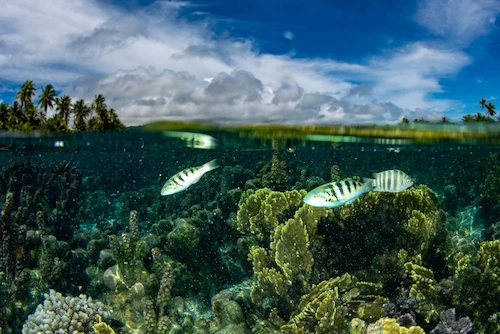
After understanding what the biotic environment is, it is also important for you to know the difference between the abiotic and biotic environments. Although both are part of an ecosystem, they have different characteristics and roles.
The most fundamental difference lies in the presence of life. A biotic environment consists of living things, such as humans, animals, plants, fungi, and microorganisms.
Meanwhile, an abiotic environment includes non-living elements that affect living organisms, such as water, soil, air, sunlight, temperature, and humidity.
Although different, the abiotic and biotic environments are inseparable. Plants need sunlight, water, and soil to grow, while animals and humans depend on plants and other natural resources to survive. It is the interaction between these two components that forms a balanced and well-functioning ecosystem.
That concludes our discussion on the biotic environment, covering its definition, components, and differences from the abiotic environment. Understanding the role of each component in an ecosystem is a simple step that can help increase our awareness of the environment around us.
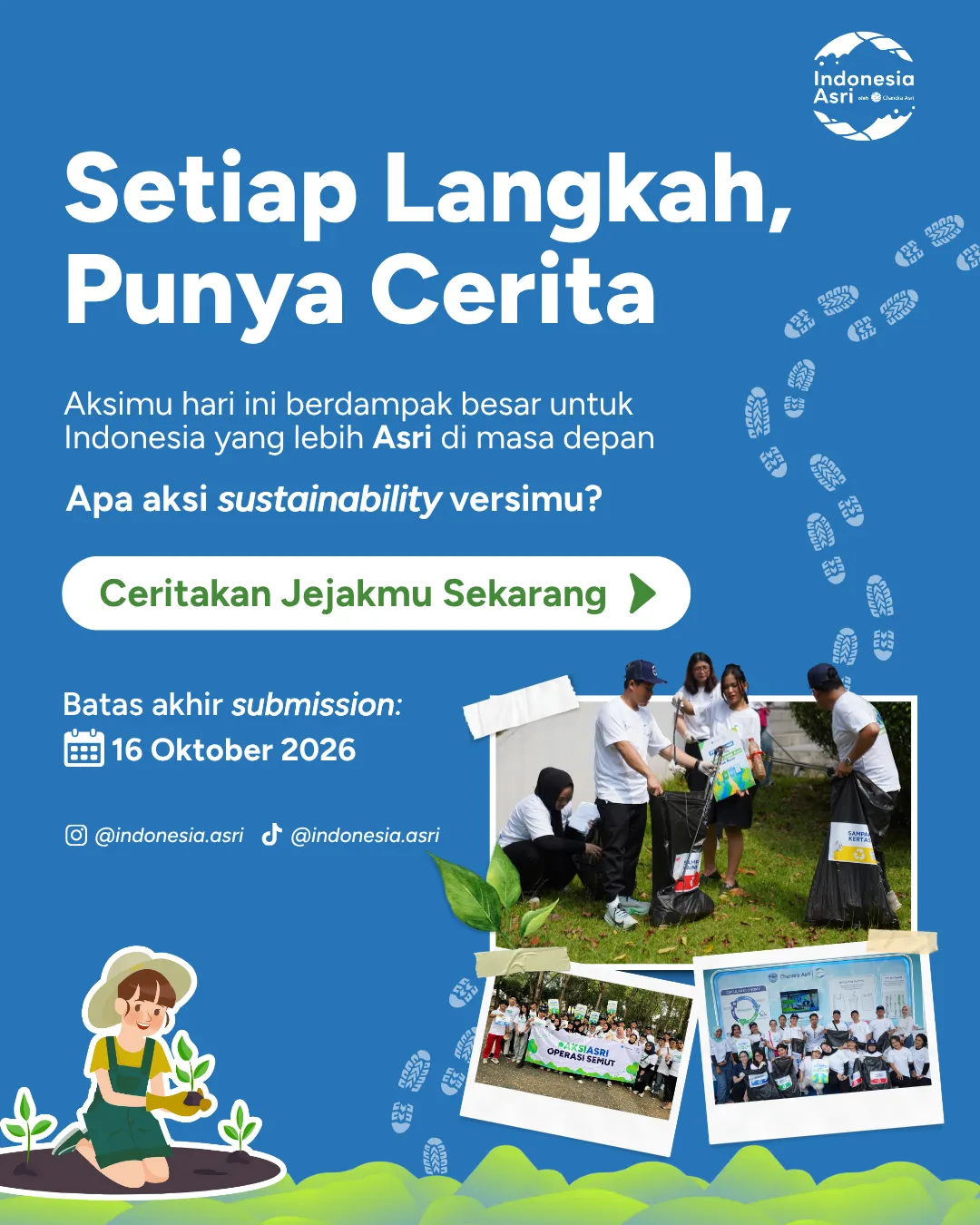
If you want to make a real contribution to the environment, you can join Indonesia Asri through several exciting programs and activities that have a positive impact.
There are many #AksiAsri initiatives you can join, such as Operasi Semut (a clean-up drive) that encourages the community to sort waste, and Jejak Asri Hobbies.
Let’s work with Indonesia Asri to create a more sustainable environment through inspiring, impactful #AksiAsri programs. Register now and start taking part in environmental conservation activities today!
Read also: The Impact of Environmental Change and How to Handle It