Vegan leather has been used since the early 20th century, and its popularity continues to grow, especially in the fashion industry. This comes as no surprise, as the material offers several advantages, including practicality and support for ethical fashion.
This article will help Warga Asri gain a deeper understanding of vegan leather, covering its definition, purpose, types, and differences from animal leather. Let’s read to the end!
What Is Vegan Leather?
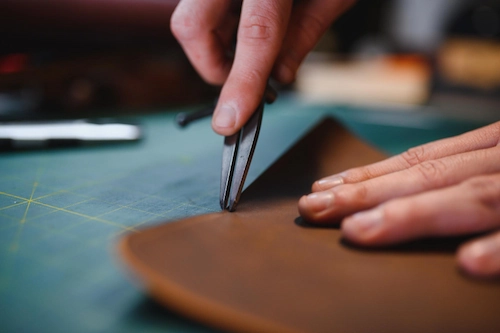
Vegan leather is an alternative to real leather made without animal hides, yet it resembles genuine leather in texture and appearance. The primary purpose of using vegan leather is to create cruelty-free products (products that do not exploit animals).
This aligns with findings published in the Jurnal Manajemen Maranatha (2022), which state that concern for animal welfare is one of the factors driving consumer interest in vegan products.
Many manufacturers use vegan leather as a substitute for genuine leather in the production of various items, such as sports equipment, accessories, vehicle interiors, and upholstery (furniture coverings).
Read also: What Is Sustainable Fashion & the Impact on the Environment
Types of Vegan Leather
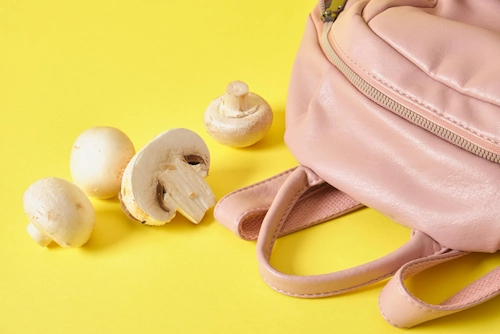
Based on the materials used, vegan leather can be divided into several types. Here are some of them:
Piñatex Leather
Piñatex is a type of vegan leather made from pineapple leaf fibers. It is considered eco-friendly because it uses materials that were previously considered agricultural waste.
This material is also said to provide additional economic benefits for pineapple farmers. By selling pineapple leaves, farmers can earn extra income without needing additional resources such as new land or water.
Piñatex leather is known for being quite durable, flexible, water-resistant, and comfortable to use in fashion products. Another important benefit of using Piñatex is the reduction in organic waste and methane emissions from the decomposition of pineapple leaves.
Mushroom Leather
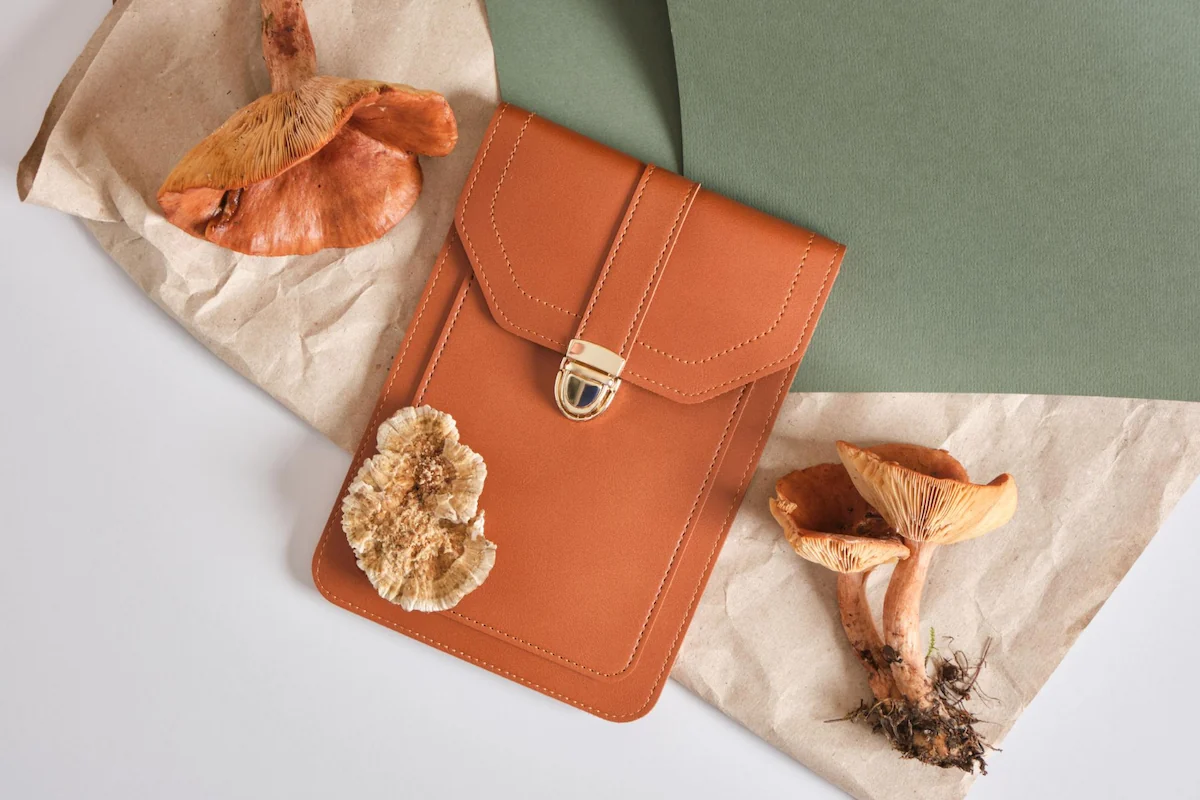
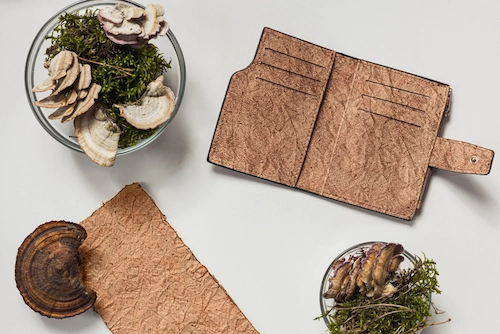
Mushroom leather is an alternative leather material made from fungi, particularly the root structure known as mycelium. This material is biodegradable (naturally decomposable) and hypoallergenic (reducing the risk of allergies by being free of animal proteins).
Its earthy tones also give mushroom leather a more elegant appearance, making it well-suited for premium-style fashion products.
Leaf Leather
Leaf leather is made from teak leaves harvested sustainably, helping preserve the plants and the environment. Leaf leather is considered unique because it features the natural aesthetic value of authentic leaf vein patterns.
The teak leaves are stitched onto fabric and then sealed to preserve their natural appearance. This process also involves traditional waterproofing techniques long used in Asia for roofing and furniture. As a result, leaf leather becomes a durable, moisture-resistant material.
Grain-Based Leather
Grain-based leather is a type of vegan leather primarily made from biopolyoil, a biologically derived oil from plant sources.
The production process of grain-based leather is considered more environmentally friendly because it requires less water than the production of genuine leather. Another advantage of grain vegan leather is its versatility in various designs, such as belt bags, sneakers, and car seats.
Cactus Leather
Cactus leather is a material made from nopal cactus plants. This material is known for being quite durable and flexible, with an appearance similar to genuine leather.
In addition, the production process of cactus leather offers several environmental advantages, including significantly lower water requirements compared to animal leather and the potential for lower emissions.
Read also: What Is Thrifting? Get to Know the Benefits and the Tips!
Comparison Between Vegan Leather and Animal Leather
If you want to understand the differences between vegan leather and animal leather, see the details below:
Appearance
Vegan leather generally has a more uniform color and texture. This material is manufactured and controlled through industrial production processes. Even when made from natural materials, vegan leather is still processed, compressed, and coated according to certain standards to ensure a consistent appearance.
On the other hand, animal leather has natural imperfections, such as pores and scars. This is normal because the appearance of animal hides varies naturally. Therefore, even after tanning, coloring, and finishing processes, its natural characteristics cannot be completely removed.
Patina
Patina refers to the natural change in appearance caused by age, exposure to hand oils, and regular use. Vegan leather does not develop a patina. In contrast, animal leather develops a patina over time.
However, leather collectors usually prefer patina because it makes the material more visually appealing and is often considered an indicator of high quality.
Leather enthusiasts perceive patina as a symbol of luxury, authenticity, and craftsmanship, which adds value to leather goods. Patina can also create a natural protective layer that makes the leather softer and more comfortable to the touch.
Durability
In terms of durability, vegan leather may deteriorate more quickly than animal leather. Meanwhile, animal leather is known to be more durable for long-term use. However, the durability of leather products ultimately depends on how well they are maintained.
Maintenance
Products made from vegan leather are generally easier to clean. You can use a microfiber cloth along with a mixture of mild soap and warm water. After dipping the cloth into the soapy solution, gently wipe the dirty area of the vegan leather product until it is clean.
Although vegan leather is relatively easy to maintain, there are several things you should keep in mind. For example, vegan leather products should be stored in a dry place away from direct sunlight.
On top of that, avoid using cleaners containing alcohol or other harsh substances to preserve the material’s moisture.
On the other hand, animal leather requires special care because the material is porous, absorbs oil and water, and is sensitive to certain chemicals. To maintain it properly, special leather conditioners and cleaners are needed.
Price
Products made from vegan leather are generally more affordable than those made from animal leather. This is because vegan leather is mass-produced and has lower production costs.
The price of animal leather, meanwhile, depends on the quality of the hide used. Genuine leather is relatively affordable, while full-grain leather and top-grain leather tend to be more expensive.
In addition to quality, the higher price of animal leather is influenced by its lengthy production process, craftsmanship, high durability, and unique characteristics that mass-produced materials lack.
Ultimately, vegan leather is considered an appealing alternative material from various perspectives, ranging from ethical fashion and sustainability to aesthetics. Among the six types mentioned above, piñatex, mushroom leather, and cactus leather are considered premium vegan leather options. So, are you interested in owning products made from them?
If you are interested in vegan leather products, make sure to take proper care of them. This is important to extend their lifespan so they do not quickly become unnecessary waste.
Besides using sustainable products, you can help preserve the environment by joining Indonesia Asri.
Currently, Indonesia Asri is holding the Jejak Asri campaign, inviting you to share stories and real actions you have taken for the environment by October 16, 2026.
There will be prizes totaling millions of rupiah. Register now, share your story, and start making a real contribution to preserving our beloved Earth!
Read also: 6 Impacts of Fast Fashion on the Environment and Society