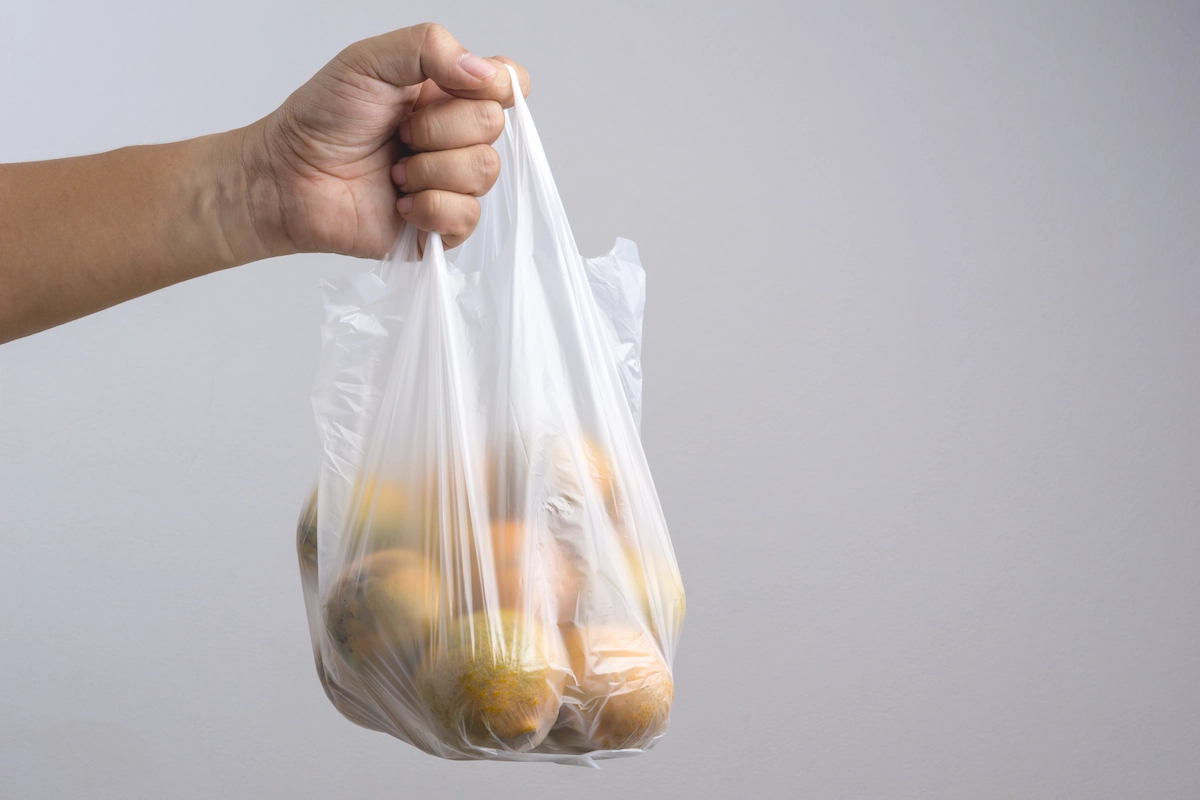
Plastic bags have become an important part of daily life in Indonesia and around the world. These versatile bags offer many benefits and can be used in a variety of situations.
The most common benefits of plastic bags are their sturdiness, durability, and compactness. Warga Asri, did you know that a single plastic bag can play a significant role in promoting the circular economy? So, what are some other benefits of plastic bags, and what inspiring crafts can be made from them? Find the answers below.
Benefits of Plastic Bags
Plastic bags are commonly used at markets, restaurants, and stores. They are typically made of polypropylene, polyethylene, or polyvinyl chloride.
When it comes to plastic, let’s take a look back, specifically to the 19th century. Few people realize that plastic was originally developed in an effort to find a substitute for elephant ivory, a material once widely used to manufacture billiard balls.
The high demand for ivory led to large-scale elephant hunting, raising concerns about a decrease in the species’ population.
These conditions prompted American inventor John Wesley Hyatt to develop celluloid in the late 1800s, which became one of the first synthetic plastics. Although it did not completely replace ivory in billiard balls, this material marked a crucial milestone that paved the way for the development of the modern plastics industry.
Later, plastic continued to evolve into other derivative products, such as polystyrene, acrylic, polyvinyl chloride, nylon, and polyethylene. The presence of polyethylene in society was a breath of fresh air due to its wide-ranging benefits, one of which was its use as plastic bags.
Polyethylene plastic bags were first introduced as shopping bags by the Swedish company Celloplast in 1965.
In the 1980s, supermarkets began adopting plastic bags because they were more affordable than paper bags. Compared to paper bags, plastic bags are more resistant to moisture, water, and mechanical stress.
Additionally, plastic bags are easier to produce and incur lower production costs. From that point on, the use of plastic bags worldwide became widespread and nearly replaced paper bags entirely.
The popularity of plastic bags is not without reason. Here are some benefits of plastic bags you should know:
- Thin and lightweight: Plastic bags are very thin and lightweight, so they can be carried anywhere and stored in various places, such as pants pockets, jacket pockets, and bags.
- Affordable: You can get plastic bags for free or for just a few hundred rupiah. Meanwhile, other shopping bag alternatives, such as spunbound bags and paper bags, cost between 2,000 and 15,000 rupiah at supermarkets, which is more expensive than plastic bags.
- Easy to find: You can buy them at plastic container stores or easily get them at supermarkets after shopping.
- Strong and waterproof: Although lightweight, plastic bags can hold heavy items, ranging from fruit to metal furniture. These bags are also waterproof, so they can be carried anytime and anywhere. After being used to carry items, plastic bags usually remain sturdy and can be reused multiple times.
- Versatile: Plastic bags are not only for shopping but also for wrapping fruit on trees to protect them from pests, safeguarding equipment, and packaging seeds.
- More Energy-Efficient: According to the Film and Bag Federation (in a research article published in the journal Sustainable Materials and Technologies), plastic bags consume 40% less energy, generate 80% less solid waste, emit 70% fewer emissions into the atmosphere, and produce 94% less waterborne waste compared to paper bags.
Read also: 11 Benefits of Plastic for Daily Activities You Must Know
Ways to Reuse Plastic Bags
It turns out that plastic bags, which at first glance seem to be useless, still have value! These bags can be turned into unique crafts or even products with economic value. Here are some ways to reuse plastic bags:
Plastic Asphalt
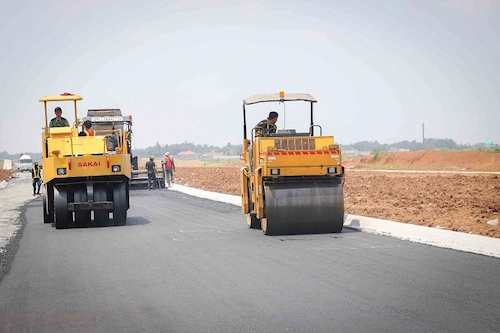
Did you know? Plastic bags, when sorted and cleaned, can be used as a raw material additive in road asphalt. According to research by the Ministry of Public Works and Housing (PUPR), adding plastic to asphalt mixtures can increase road durability by up to about 40%.
This innovation is being implemented by Chandra Asri Group, a leading chemical, energy, and infrastructure solutions company in Southeast Asia.
Chandra Asri Group has developed a product franchise for plastic-asphalt mixtures made from shredded plastic bags under the CIRCLOⓇ brand. This franchise processes unused plastic while empowering local recyclers to produce raw materials for asphalt mixtures.
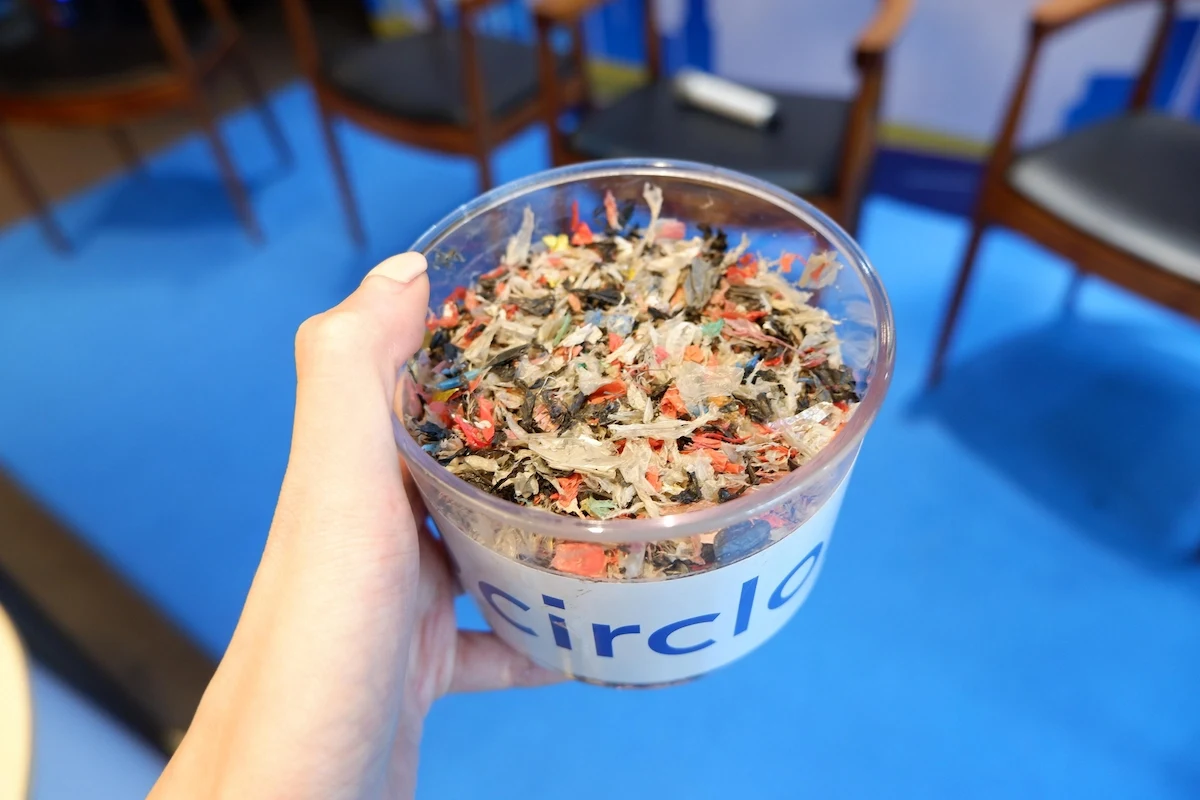
Not only that, but Chandra Asri Group also provides training to asphalt mixing plants and contractors on the process of mixing asphalt with shredded plastic bags to ensure optimal results.
To date, this plastic asphalt innovation has been used on over 130 km of roads throughout Indonesia.
Bracelets Made from Plastic Bags
Thin plastic bags can be turned into unique bracelets. First, you need to prepare a small piece of twine to the desired length. Then, cut the plastic bags into small strips.
Pieces of plastic bags are twisted or strung together with twine. Lastly, tie the ends to make it look neater. To make the bracelet look even more attractive, you can combine several plastic bag colors.
Pyrolysis Oil
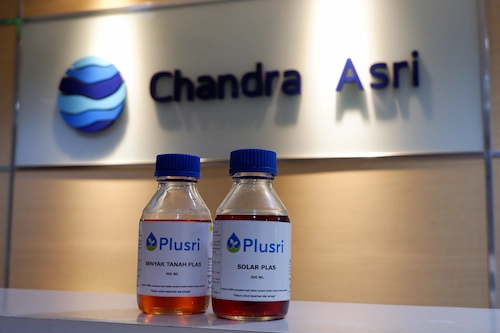
Who would have thought? It turns out plastic waste can actually be processed into fuel! Through pyrolysis, plastic waste can be converted into pyrolysis oil, which can serve as a substitute for diesel and kerosene. Obviously, this fuel can benefit those who rely on it.
One of the entities developing pyrolysis oil from plastic waste is the Chandra Asri Group through its Industri Pengelolaan Sampah Terpadu—Atasi Sampah Kelola Mandiri (IPST ASARI) facility.
PLUSRI pyrolysis oil has been utilized by a wide range of groups, from fishermen to batik artisans in Cilegon. This oil is used as fuel for nighttime heating and batik dyeing processes.
Meanwhile, pyrolysis oil has been introduced to fishermen in Serang Regency as an alternative fuel for their boats. Fishermen can collect plastic waste, which is then processed at the IPST-ASARI facility and ultimately used as fuel for their boats.
Read also: 7 Plastic Bottle Craft Inspirations You Can Make at Home
Footwear and Head Protection in the Rain
During the rainy season, it is important to carry plastic bags to protect your shoes from splashes and puddles. You can wrap the shoes you are wearing in a plastic bag, then tie the bag’s string around your ankle. As a result, you can walk comfortably without worrying about your shoes getting wet.
Plastic bags are not just for shoes; they can also protect your head if you forget to bring a raincoat or umbrella. Even if the rest of your body is unprotected, at least your head will stay dry, and you will not get dizzy from raindrops.
Cover for Nearly Ripe Fruit
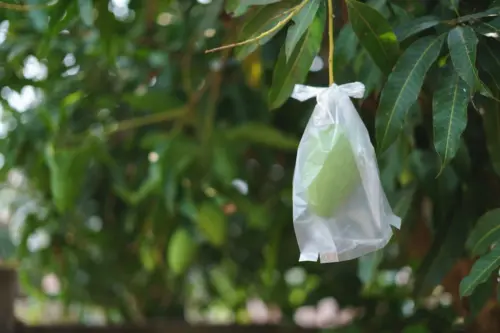
Fruit-eating animals often eat fruit that has ripened on the tree, such as bats. If left unprotected, the fruit can fall or rot before it is harvested. To prevent this, you can wrap the fruit in plastic bags.
Plastic Bricks
In 2024, a group of researchers from India created bricks from plastic bags, which were made from polyethylene. Plastic waste was shredded, heated, and cooled using Programmable Logic Controllers (PLCs) to produce an alternative brick that is more environmentally friendly and affordable.
That concludes the information highlighting the benefits of plastic bags. These thin items actually have many advantages, making them useful in various daily activities.
Before disposing of waste at a landfill, it is a good idea to sort it first and separate items that can still be reused. By doing this simple thing, we can help boost the circular economy and reduce the amount of waste that ends up in landfills.
Some products, such as plastic bags from supermarkets, can still be reused or recycled, for example, into raw materials for plastic asphalt, pyrolysis oil, or even bricks. At the household level, you can use them to wrap nearly ripe fruit and protect your belongings when it rains.
Repurposing disposable plastic bags into valuable items also aligns with the circular economy, which maximizes a product’s utility so it can avoid becoming waste immediately.
So, for those of you who want to apply circular-economy principles in your daily lives, you can join the Indonesia Asri campaign as a Warga Asri.
Here, you can deepen your knowledge of environmental issues, expand your social network, gain opportunities to participate in various activities and environmental education programs, and take part in a movement that promotes a more sustainable future.
You can also deepen your understanding of the circular economy and its application in daily life. Come on, make your best contribution with Indonesia Asri. Register now!
Read also: Small and Large Scale Plastic Waste Management Methods