Food waste is certainly not a new issue we hear in this fast-paced era. Until now, the term we’ve heard most often is “food waste,” even though there’s another term to understand: “food loss.”
To understand why some food goes to waste, you first need to understand the importance of food loss. Let’s dive deeper into what food loss is, how it differs from food waste, and effective ways to reduce both, all in this article!
What Is Food Loss?
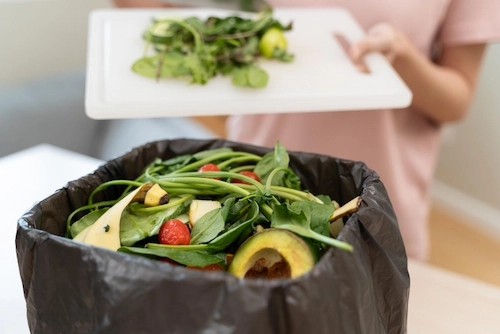
According to the Food and Agriculture Organization of the United Nations (FAO) in The State of Food and Agriculture 2019, food loss refers to the decrease in the quality or quantity of food that happens before food reaches the retail stage, food services, and consumers.
In other words, food loss occurs at stages before food reaches the consumer. This can happen at various points in the supply chain, such as production, post-harvest handling, storage, and distribution.
The causes of food loss vary widely, ranging from harvests that don’t meet market standards and improper storage to low market demand. These conditions can keep food from being distributed and ultimately result in missed opportunities to use it.
This issue remains significant in Southeast Asia. According to data from the Food and Agriculture Organization (FAO) processed by Our World in Data, Southeast Asia contributed 14.8% of food loss in 2023. This figure shows that food loss remains a problem in Southeast Asia, including Indonesia.
In Indonesia, food loss remains a problem across various regions. One example occurred in 2019 in Banyuwangi, when dragon fruit farmers discarded their fresh harvest because the market could not absorb it.
This situation occurred because the harvest exceeded demand, causing the selling price to plummet. As a result, fruit that was still fit for consumption had no market and ended up being thrown away.
More to explore: What Is BSF? Learn About This Organic Waste Decomposer!
What Is Food Waste?
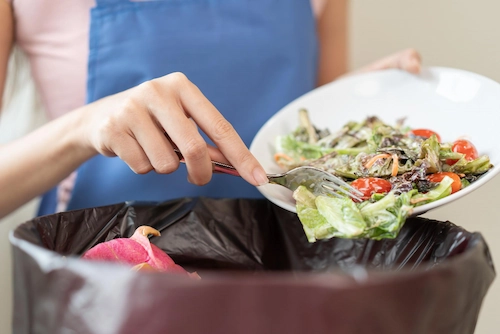
Food waste is food that is still edible but goes unused and ends up being thrown away. This can happen after food reaches consumers, whether at home, in restaurants, eateries, or other places.
For example, you cook too much food and don’t finish it. The leftovers that end up being thrown away fall into the category of food waste.
Food waste can also happen because people take more food than they need or buy food that doesn’t match their taste. If left unchecked, thrown-away food loses its value and adds to the burden of waste management.
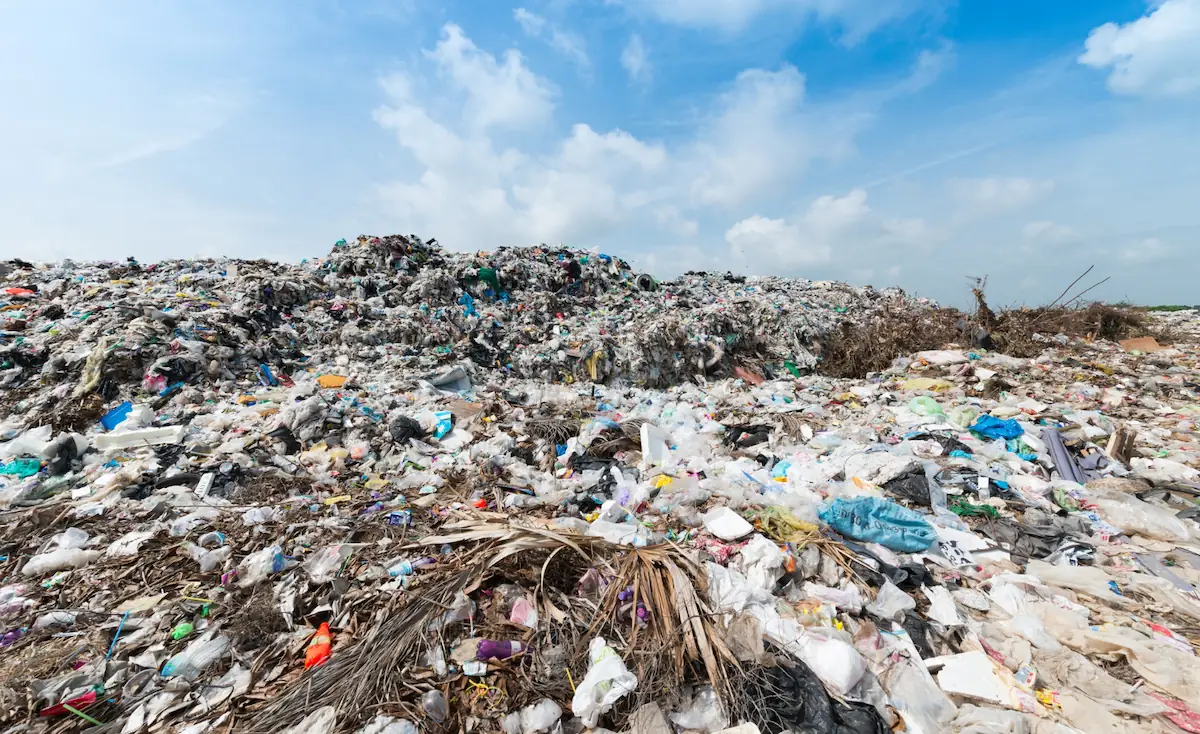
When food is wasted and piles up in landfills, it can decompose and produce methane gas. This gas is one of the greenhouse gases that contribute to global warming.
Based on the explanation above, food loss and food waste are understood as two different conditions. The difference between food loss and food waste lies in when they occur. Food loss generally occurs before food reaches consumers, while food waste is more closely related to food discarded during consumption.
How to Reduce Food Loss and Food Waste
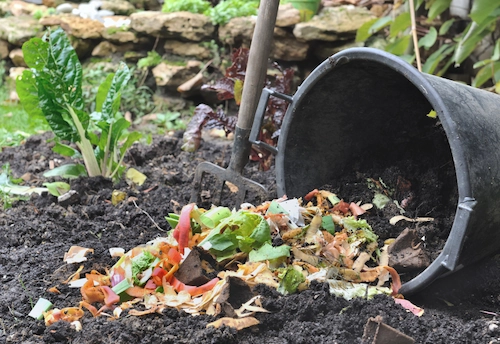
Food loss and food waste are waste issues that need to be addressed to prevent environmental pollution. Here are some ways you can help reduce wasted food:
1. Make a Plan Before Buying Food
Before buying groceries, make a list based on your menu and how many people will be eating. Adjust quantities to match your needs so that food doesn’t sit around too long and go unused.
2. Store Food Properly
How you store food also affects its quality and shelf life. Separate ingredients by type and store them under the right conditions to maintain quality.
You can also apply the first-in, first-out (FIFO) principle by using the ingredients you bought first before the newer ones. This helps prevent food from being stored for too long and losing its quality.
Don’t miss: Beware! Don’t Underestimate This Waste in Your Home!
3. Cook According to Portions
Cooking the right amount for your needs can help reduce leftover food. Try estimating portions based on how many people will eat so you don’t create excessive waste.
If there is still food left, store it properly to eat later. That way, the food can still be used and will not go to waste.
4. Make Use of Edible Food
Don’t be quick to throw away food just because its shape or size is not perfect. As long as it is still good and safe to eat, you can still turn it into various delicious dishes.
For example, fruits that are too ripe might not be great to eat on their own, but you can still use them to make juice, smoothies, or other dishes. That way, the fruit can still be used and won’t go to waste.
5. Sort and Process Food Waste
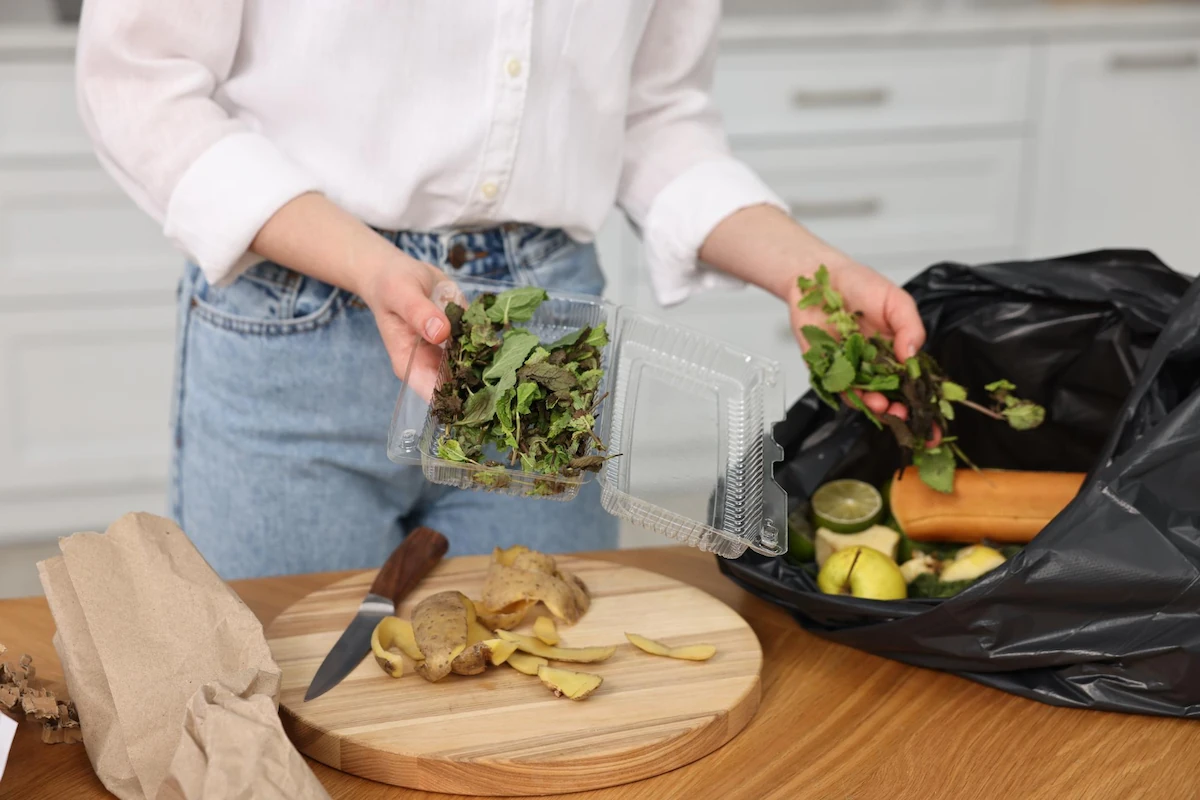
You can also reduce food loss and food waste by sorting and processing leftover food based on its condition and type. You can turn organic food scraps that are no longer edible into compost so they still serve a purpose. This way, food waste does not end up straight in a landfill.
Be a Warga Asri and Start Living More Sustainably!
Understanding that food loss is part of the challenge in food management can help you use food more wisely. This simple habit can also continue by choosing a more sustainable lifestyle, including using more environmentally friendly vehicles.
Well, you can also expand your actions by joining various campaigns and programs from Indonesia Asri. Indonesia Asri offers various programs that can help you contribute to protecting the environment.
By becoming a Warga Asri, you can get wider access to join these programs and participate in various environmental activities.
Don’t miss the chance to be part of this movement. Register now and start your journey as Warga Asri!
Worth reading: Mindful Eating: Check the Health and Environmental Benefits