Key Takeaways
- CSR is corporate social and environmental responsibility carried out through various programs that benefit the community.
- The goals and benefits of CSR include community empowerment, education, health, the economy, and environmental sustainability.
- Indonesia Asri is an example of CSR through its various #AksiAsri programs, which encourage the community to get involved in sustainability efforts to preserve the environment.
Many companies implement various social and environmental programs as a way of showing their commitment to the communities around them. This series of programs is known as Corporate Social Responsibility (CSR).
CSR is a term that frequently comes up in discussions about business, social issues, and sustainability. Through CSR, companies can contribute to the community through programs in education, health, empowerment, and the environment. To go beyond just knowing the term, check out the following discussion on the definition, objectives, types, and examples of CSR!
What Is CSR?

CSR stands for Corporate Social Responsibility, which refers to the social and environmental responsibilities that a company fulfills as part of its business activities. Through CSR, companies can contribute to the community while supporting sustainable environmental management.
CSR programs can take various forms, ranging from community empowerment, education, and healthcare to local economic development and activities that support environmental conservation. Their implementation is typically tailored to the needs of the community and the company’s line of business.
CSR’s Objectives

In fact, CSR goes beyond simply carrying out social activities, such as providing aid to the community. More broadly, CSR aims to create sustainable benefits for the community and the environment through programs tailored to the needs of the surrounding community.
Some of the objectives of CSR programs include:
- Improving community well-being: CSR can help meet community needs through programs in education, health, social services, and the development of facilities that benefit daily life.
- Supporting community empowerment: CSR programs can provide training, mentoring, and access to skills so that communities can develop their potential and increase their self-reliance.
- Supporting environmental sustainability: CSR programs can focus on activities that support environmental management, such as environmental education, waste sorting and processing, reforestation, and ecosystem conservation.
- Improving access to education and healthcare: CSR support like scholarships, learning facilities, health screenings, and educational initiatives can help communities gain access to these basic needs.
- Promoting sustainable development: CSR can support development that sustainably considers the needs of the community and the environment, ensuring that the benefits of the program are not limited to the short term.
Read also: 5 Ways to Avoid Consumerism Wisely, Recognize the Signs!
Types of CSR

CSR can be implemented in various fields based on community needs and the conditions of the surrounding environment. Each program can also take different forms, ranging from community empowerment to environmental management. Here is an explanation:
CSR in Education
CSR programs in education aim to help communities gain access to learning and skills development. These activities can target students, educators, and the general public. Examples include:
- Providing educational scholarships.
- Providing learning facilities.
- Mentoring for students or educators.
CSR in the Field of Health
CSR in the field of health aims to help communities gain access to information, facilities, and activities that support health. Some forms of these activities include:
- Health screenings.
- Health education.
- Provision of healthcare facilities.
- Blood donation drives.
CSR in the Economic Sector
This type of CSR focuses on empowering communities to develop their economic capabilities and potential. Programs not only assist but may also include training and mentoring. Examples of such activities include:
- Entrepreneurship training.
- Mentoring for SMEs.
- Job skills training.
- Business development based on local potential.
Environmental CSR
Environmental CSR supports sustainable environmental management and conservation. The community can also be involved to ensure that activities are carried out in accordance with local environmental conditions. For examples:
- Environmental education.
- Waste sorting and processing.
- Environmental greening initiatives.
- Ecosystem conservation.
Discover more: What Is Environmental Degradation? Its Causes & Solutions
Benefits of CSR

CSR can give advantages in various aspects of life, ranging from social needs to environmental concerns. Some of these benefits include:
- Improving access to education and skills for communities.
- Supporting community health and well-being.
- Creating economic opportunities and empowering communities.
- Promoting environmental awareness and stewardship.
- Helping to increase community self-reliance.
CSR Example in Indonesia
One example of a corporate social and environmental responsibility (CSR) program in Indonesia is Indonesia Asri, a sustainability campaign launched by the Chandra Asri Group in 2023. This environmental CSR initiative focuses on education and collaboration to encourage the public to create a more beautiful Indonesia.
Indonesia Asri is built on four pillars that form the foundation of our campaign: sustainable waste management, community development, carbon management, and inclusion & diversity. These four pillars are then put into action through a series of activities packaged under #AksiAsri to encourage public engagement in sustainability issues.
Some of the #AksiAsri programs you can find in Indonesia Asri include:
- Operasi Semut #pilahsampah: This program aims to encourage the public to get into the habit of sorting waste before disposal through educational activities held at various events and in public spaces.
- Waste Sorting Education: Encourages the public to understand the importance of sorting waste based on the principles of the circular economy as part of sustainable waste management.
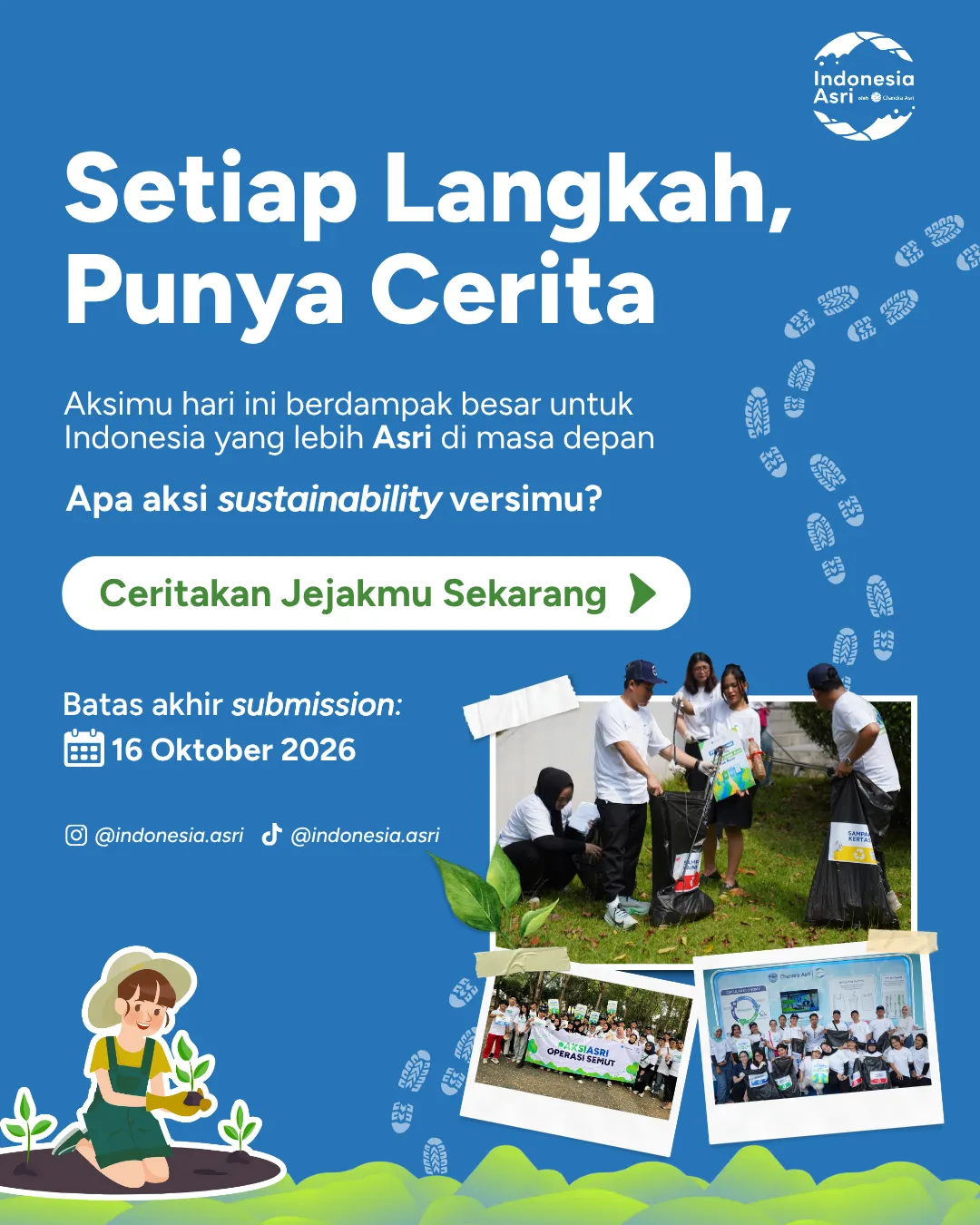
- Jejak Asri: A space for the younger generation to share stories and experiences in adopting a sustainable lifestyle. This program also presents various challenges related to issues such as waste management, carbon emissions, and community development.
- EcoCircular Fellowship Program: Combining education on the circular economy with interactive journalism classes to broaden participants’ understanding of sustainability issues.
- #AksiAsri Kreasi: A program designed to strengthen the role of local communities through educational activities and the empowerment of waste banks to support more sustainable environmental management.
Join Warga Asri and Start Doing Good for the Earth!
Those are the key things you need to know about CSR, from its definition and objectives to its benefits and examples in Indonesia. In addition to companies’ efforts to preserve the environment through CSR, you can also participate personally in various sustainable initiatives with Indonesia Asri.
At Indonesia Asri, there are a variety of programs you can join to expand your knowledge about the environment while building connections by meeting experts from various fields.
By becoming a Warga Asri, you’ll gain exclusive access to articles and information about Indonesia Asri’s activities. You’ll also earn Indonesia Asri Points, which can later be redeemed for a variety of exciting merchandise.
Join Warga Asri and discover more opportunities to help preserve the environment alongside others! Sign up now and start making a positive impact with Indonesia Asri.
Related article: What Is Waste Disposal? Get to Know How to Do It Here!
Frequently Asked Questions (FAQ)
Still curious about CSR? Don’t miss the following questions and answers to learn more about CSR!
1. What Are Some Examples of CSR?
Examples of CSR include educational scholarship programs, skills training, health screenings, and environmental management activities.
2. What Forms Does CSR Aid Take?
CSR assistance can take the form of educational funding, social aid, community facilities, and support for local economic development and small and medium-sized enterprises (SMEs).
3. Why Should Companies Engage in CSR?
Companies engage in CSR to contribute to the community, support environmental sustainability, improve social welfare, and fulfill their social and environmental responsibilities.