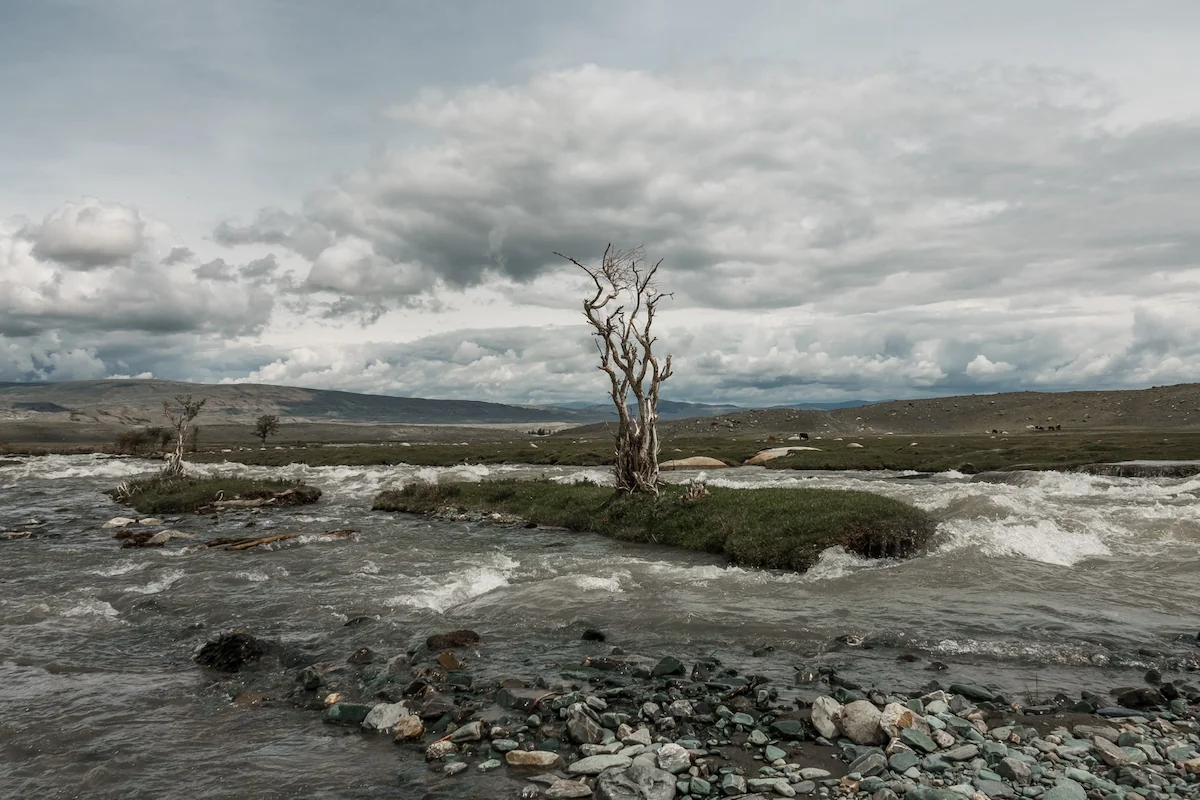
Environmental degradation may not be a term you hear often in everyday life. However, its effects can be seen all around us, from changes in the environment itself to impacts on the health and well-being of the organisms that depend on it.
Environmental degradation is more than just a single form of environmental damage. It is a condition that can involve various types of interconnected damages. To understand it more deeply, read the explanation below all the way through!
What Is Environmental Degradation?
Environmental degradation refers to the decline in the quality and condition of the environment caused by human activities, natural processes, or a combination of both.
In fact, environmental degradation is a very broad term. It includes many forms of damage, including pollution, species extinction, global warming, and biodiversity loss.
Causes of Environmental Degradation
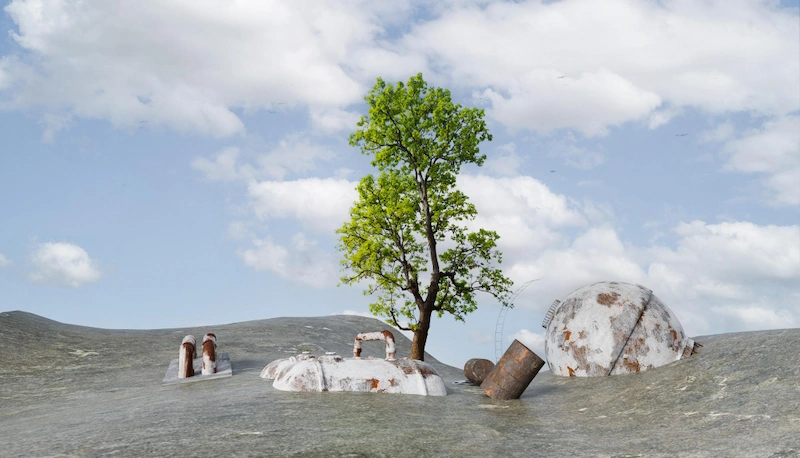
Environmental degradation has multidimensional causes. In other words, there are many dimensions or factors that can trigger or worsen the condition. Here is the explanation:
Social Factors
Environmental degradation can occur due to several social factors, which are generally divided as follows:
- Population growth: An increase in population also increases resource usage, waste production, and pressure on the environment. The environmental impact becomes greater if consumption and management are not sustainable.
- Poverty: A study published in the Asia-Pacific Journal of Regional Science (2025) found that rural poverty and environmental quality degradation in Indonesia are interconnected and influenced by various socio-economic factors.
- Urbanization: Rapid urbanization can put pressure on the urban environment, for example, through increased transportation and housing needs.
Economic Factors
On the other hand, the economic factors that cause environmental degradation can be categorized as follows:
- Economic development that ignores environmental sustainability: Economic development, especially industrial-based development without proper environmental management, can be a cause of environmental degradation.
- Agricultural practices that do not follow sustainable principles: Some examples include excessive use of pesticides, intensive farming, and poorly managed irrigation.
- Transportation activities without sustainable technology and management: Without these factors, transportation activities can trigger environmental degradation in the form of air pollution, the risk of oil spills in the sea, and greenhouse gas emissions.
Political and Administrative Factors
One of the political or government administration factors that also affects the level of environmental degradation is when policies prioritize short-term political or economic interests rather than long-term environmental sustainability.
In addition, environmental regulations that are not effectively enforced can also worsen the problem. For example, there are already rules about industrial emission limits, but weak enforcement or a lack of meaningful penalties can allow violations to continue.
Environmental Factors
Some processes that directly cause or worsen environmental degradation include:
- Habitat fragmentation: This happens when previously large, continuous habitats get broken up due to development, like roads being built through forest areas.
- Air and water pollution: It is undeniable that pollutants like industrial waste and vehicle emissions can disturb or even kill certain organisms.
- Ozone layer damage: The ozone layer helps absorb UV radiation from the sun. When the ozone layer becomes thinner, more UV radiation can reach Earth’s surface, increasing the risks to human health and ecosystems.
Worth Reading: Understanding the Effects of Acid Rain on the Environment
Types of Environmental Degradation
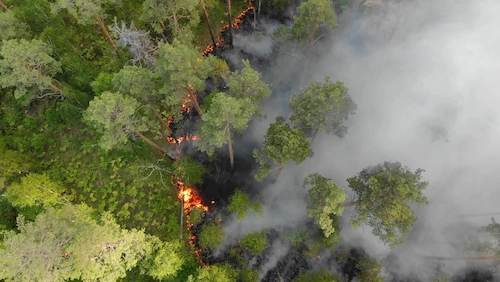
Environmental degradation can take several forms, including the following:
Land/Soil Degradation
Soil degradation happens when the physical, chemical, biological, and ecological quality of the soil declines or disappears due to natural disturbances or human activities. The severity varies in each place, depending on the land’s initial condition and the type of pressure applied to the soil.
This situation significantly impacts global food security because soil is one of the main resources for producing food. As soil quality declines, land productivity can decrease, agricultural yields may fall, and food production can be put at risk.
Water Degradation
Water degradation is the decline in the quality, quantity, and ecological function of water resources. This condition is characterized by three interconnected features, namely chemical degradation, physical degradation, and biological degradation.
One example to understand their connection is the excessive use of agricultural fertilizers. This can carry phosphorus into rivers and trigger chemical degradation in the water.
As a result, algae can grow excessively and disrupt the ecosystem balance. If it continues, biological degradation can also occur through reduced biodiversity and disturbed aquatic ecosystem functions.
Atmospheric Degradation
Atmospheric degradation refers to the decline in the quality and stability of the atmosphere due to human activities, like burning fossil fuels and deforestation, as well as natural processes, such as volcanic eruptions and forest fires.
This situation can affect weather patterns, UV radiation exposure, and air quality. Its impact can be felt in both urban and rural areas.
Impacts of Environmental Degradation
When environmental degradation continues over a long period without being properly addressed, it can have serious consequences for the surrounding areas. Here are some environmental degradation impacts you should be aware of:
- Reducing the availability of clean water: The loss of dense forests and the contamination of soil can increase the risk of declining water sources and clean water reserves.
- Triggering climate change: Climate change not only causes rising temperatures but also alters weather patterns and increases the intensity or frequency of extreme weather events.
- Disrupting human needs fulfillment: Human life heavily depends on natural resources. So, if the environment continues to degrade, humans are at risk of facing difficulties in meeting basic needs, like food, clean water, health, and livelihoods.
- Threatening biodiversity: If forests, oceans, air, and soil are polluted, the habitats of various organisms can certainly be disturbed or even destroyed.
- Increasing the risk of natural disasters: Environmental degradation can raise disaster risks by reducing ecosystems’ ability to retain water, maintain soil stability, and buffer the impacts of natural phenomena.
Related Article: 3 Simple Steps to Combat Climate Change
Solutions to Environmental Degradation
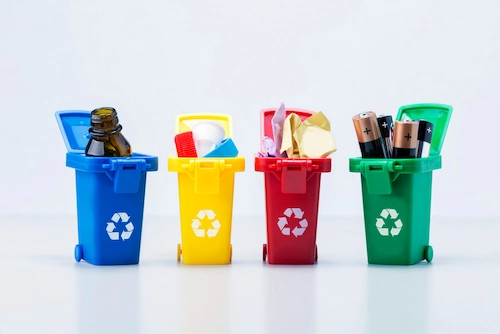
To tackle and at the same time prevent environmental degradation, here are some efforts you can make:
- Proper waste management: One way is by separating trash according to its type. For example, separating food waste and leaves to be processed into compost.
- Reforestation: Planting trees again in areas of forest that are bare or damaged.
- Greening: Planting trees and other vegetation in areas outside forests, such as city parks or roadside areas.
- Remediation: The process of removing, reducing, or stabilizing contaminants in already polluted environments.
- Environmental law enforcement: Supervising and consistently enforcing laws on those who damage the environment.
Join #AksiAsri to Help Prevent Further Environmental Degradation!
That wraps up our discussion of environmental degradation, a growing issue whose effects are already visible in many parts of our surroundings. There is still a chance to preserve the environment through various efforts mentioned above, but doing so requires collaboration and a shared commitment between communities and governments.
Besides the efforts above, you can also contribute by adopting a more sustainable lifestyle, such as choosing vehicles that use more environmentally friendly fuels for your daily commute. While it may seem like a small step, you can help prevent environmental degradation from getting worse, especially due to economic factors.
If you are looking to make a greater contribution to reducing the risk of environmental degradation, it is time to join the Indonesia Asri campaign. At Indonesia Asri, you can take part in various environmental programs and initiatives, including #AksiAsri.
#AksiAsri is an environmental care action program packed with a variety of fun and inspiring activities, including the Operasi Semut #pilahsampah.
Your small steps today will have a big impact on the future sustainability of our Earth. Register yourself now as Warga Asri and start actively contributing to a greener Indonesia!
Don’t Miss: 6 Types of Environmentally Friendly Fuels You Should Know About