

Table of Contents
It is undeniable that population consumption and daily activities generate various forms of waste, including domestic waste. Domestic waste is the closest to other waste types.
It is crucial to understand the definitions, types, and impacts of waste, as well as waste management, to maintain the environment.
This article will provide Warga Asri with information to improve their understanding of domestic waste and take appropriate action to dispose of and manage it. Read more below!
What Is Domestic Waste?
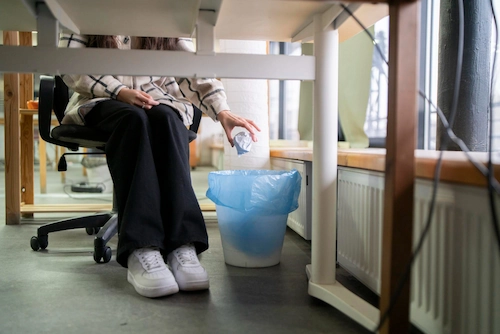
Domestic waste is waste generated by human activities in homes, offices, schools, and other settings.
As human activities increase, domestic waste volumes will rise as well, creating a long-term issue if poor waste management persists.
Types of Domestic Waste
After understanding the definition, let’s learn the types of domestic waste commonly found in daily life. Here is the explanation:
Liquid Domestic Waste
Liquid domestic waste includes waste from showering, washing, gardening, food waste, and human fecal matter. This waste type contains chemicals from cleaning products, oil, and germs.
In addition, liquid domestic waste is further divided into greywater and blackwater. Greywater refers to wastewater that does not originate from septic tanks, such as liquid waste from cooking and washing. On the other hand, blackwater originates from septic tank waste or fecal matter from other living beings.
Solid Domestic Waste
Solid domestic waste is commonly stuff or substances that are no longer needed. This waste is divided into two types: organic and inorganic.
The difference between the two lies in their origin and stage of decomposition. Organic waste comes from living organisms and decomposes easily. Meanwhile, inorganic waste originates from substances that are difficult or unable to decompose through biological processes.
Examples of organic domestic waste include food, vegetables, fruits, and dry leaves. On the other hand, inorganic domestic waste includes clothes, household appliances, electronics, papers, metal, and glass.
Hazardous Waste
Hazardous waste can burn, explode, react, and corrode easily, posing risks of viral or bacterial contamination.
Hazardous waste may take the form of solids, liquids, or gases. Several examples include expired drugs, empty aerosol cans, oil, batteries, chemical substances, medical waste, light bulbs, and used pesticides.
Read more: Various Liquid Waste That’s Surprisingly Beneficial – What Are They?
Impacts of Domestic Waste

As mentioned earlier, poor domestic waste management can lead to harmful consequences. The negative effects include the following:
- Health risks: Contaminated water from human feces poses a risk of diarrhea, itching, and urinary tract infections (UTIs) due to E. coli contamination. Decomposing solid waste can produce toxic gases, including methane, ammonia, and hydrogen sulfide.
- Water and soil pollution: Littering with liquid domestic waste can pollute rivers, lakes, and other water sources. Meanwhile, solid waste buried in the soil may release substances that harm the natural habitats of animals living underground.
- Reduced aesthetics: Poorly managed waste may change the river’s color and degrade the surrounding environment’s aesthetics.
How to Manage Domestic Waste
There are various strategies to manage domestic waste, including:
Sorting the Waste
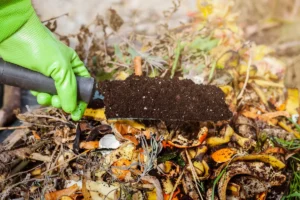
Sorting of solid domestic waste, both organic and inorganic, can be done. Organic waste can be converted into compost or other organic fertilizers. You can take the compost to the nearby composting facility or compost it at home.
Meanwhile, inorganic waste can be sent to waste facilities for recycling. Recycling can produce useful things, such as packaging, decorative crafts, doll stuffing, and vases.
Managing Greywater for an Alternative Water Source
Greywater waste can be managed by using organic filter containers to produce clean water for non-potable uses (non-consumption). This way, waste will not be discharged directly into the soil or a drainpipe; instead, it will be contained in the containers beforehand.
Fat-filtering containers are explicitly used for waste from the washing process. Afterwards, all liquid waste will enter the filter containers filled with sand, soil, and filtering plants. You may opt for water spinach, water hyacinth, or water fern.
The water produced by this process can be used to clean toilets, vehicles, or plants. This is effective in managing water deficit, particularly in urban areas.
The Jurnal Sumberdaya Alam dan Lingkungan proves that greywater can be used as a hydroponic water since the pollution level is still in the acceptable standard for agricultural use. Moreover, greywater use positively affects mustard green growth compared with water from the local provider.
Read more: 10 Efforts That Can Be Made to Overcome Environmental Pollution
Turning Plastics into Plastic Asphalt and Pyrolysis Oil
Plastic waste we often produce can be turned into plastic asphalt and pyrolysis oil.
It should be noted that plastic asphalt technology uses chopped plastic bags or High-Density Polyethylene (HDPE). Adding low-value plastics can increase asphalt stability by 40%.
Meanwhile, pyrolysis is a process that converts organic waste into sustainable fuel, producing liquid, gaseous, and solid residues. The process involves high temperatures and either limited air or airtight conditions.
Chandra Asri Group develops both technologies for innovation, one of which is plastic asphalt, which has been used on more than 120 km of roads across Indonesia.

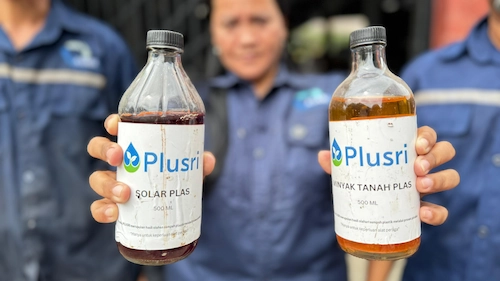
There is also a sustainable fuel produced by pyrolyzing plastic waste called PLUSRI pyrolysis oil. This oil, acquired from plastic waste, has been used by various local industries, including Batik Krakatoa Cilegon. This industry, originally from the town of Cilegon, uses PLUSRI as fuel to heat the candle (malam) and color batik products.
That concludes the explanation related to domestic waste and its management strategies. Domestic waste is a serious concern, as its ever-increasing volume will persist as human activities continue.
In addition to the domestic waste management above, you can participate in many environmental activities by joining Indonesia Asri. Through #AksiAsri activities, you can participate in efforts to protect the environment through engaging practices.
Sign up now and become an active Warga Asri as an agent of environmental sustainability!
Read more: Differences between Waste and Garbage, Don’t Misunderstand!