

Table of Contents
Have you ever wondered how a country can continue growing without destroying its natural resources? Amid climate change and increasingly limited resources, this question has become more pressing than ever.
To find the answer, you need to understand the principles of the green economy first. A green economy is a development approach that maintains balance between progress and sustainability.
The green economy concept enables countries to drive economic growth without sacrificing the environment and opens new opportunities for communities.
In this article, you will discover how this approach works and why more countries are making it their primary development direction.
What Is a Green Economy?

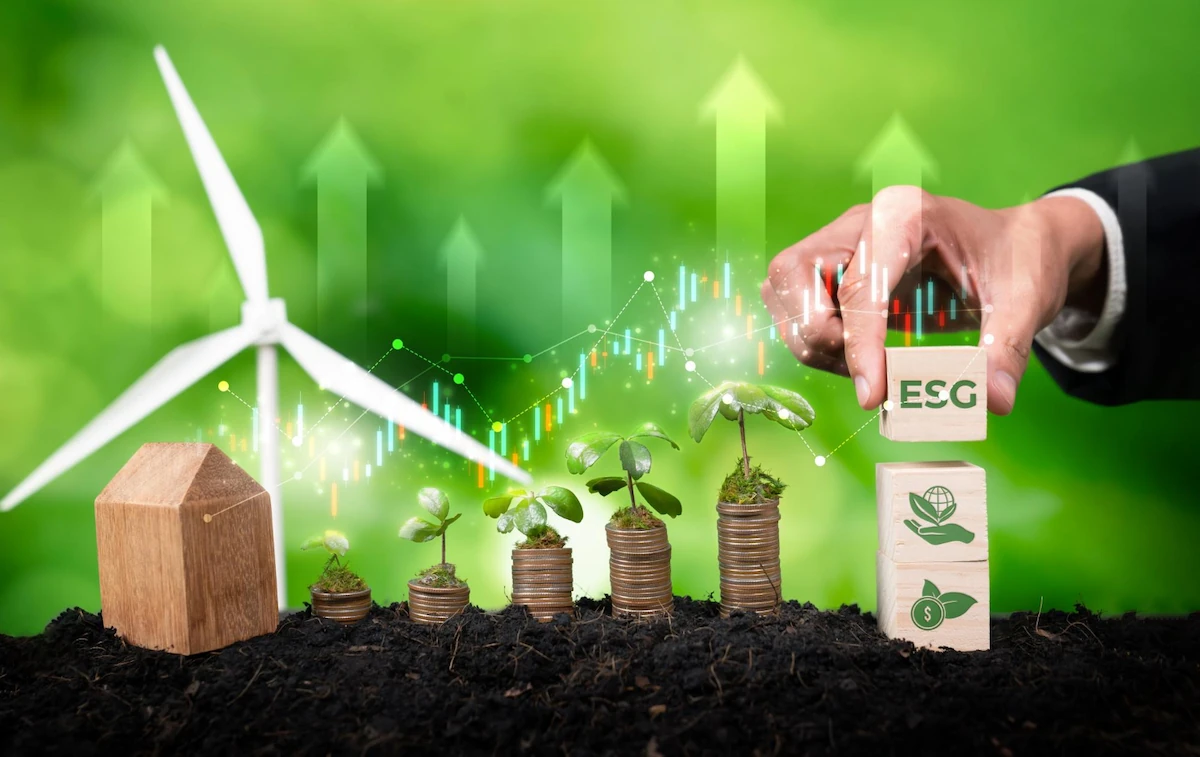
A green economy is a development approach that balances economic growth with environmental protection and improved social welfare.
Rising global temperatures, resource crises, severe pollution, and social inequality born from old economic practices have driven the emergence of the green economy.
The United Nations Environment Programme (UNEP) explains that the green economy rests on reducing carbon emissions, improving resource efficiency, and promoting social equity.
Today, the ecological crisis increasingly pushes countries and businesses to transform their operations so that development does not compromise the future. International markets also demand cleaner products, while communities want healthy and stable environments.
Principles and Concepts of Green Economy
Green economy principles emerge through applications that focus not only on energy efficiency and environmental protection but also on global work directions that form the foundation of current green economy development.
According to UN Environment, three main focuses have been widely adopted by various countries:
- Promoting sustainable growth through macro approaches discussed at the regional, subregional, and national levels.
- Direct implementation of green concepts through environmentally friendly financing, clean technology, and investment opportunities that drive the transition toward low-carbon economic systems.
- Supporting countries in formulating and integrating macro policies that facilitate long-term transitions to a green economy.
Read also: The List of Top 10 Cleanest Countries in the World of 2025
Benefits of the Green Economy

Implementing a green economy maintains ecosystem stability and prevents overexploitation of natural resources. This approach reduces the environmental burden future generations must bear.
Beyond preserving nature, green economy benefits appear across many aspects of life, including:
1. Better Environmental Protection
Ecosystems remain stable and natural resources aren’t overused. This reduces the environmental burden for future generations.
2. Enhanced Food Security
Healthier environments keep soil fertile. Farmers can plant and harvest more safely, increasing food production and improving farmer welfare. This represents an example of green economy implementation in rural areas.
3. Reduced Waste and Emissions
Using renewable energy lowers carbon emissions. Consequently, air becomes cleaner, and the risk of disease from pollution decreases. Industries across many sectors can apply this concept with government policy support to reduce national waste volumes.
4. More Job Opportunities
Green sectors require substantial human resources, from clean energy and waste management to environmental restoration. This helps create employment opportunities and reduce unemployment rates.
5. Increased Domestic Production
Industries implementing green processes can stimulate innovation. This creative process helps local businesses produce high-quality products without harming the environment. Environmentally friendly products also become more competitive in global markets, so their widespread availability can enhance the domestic industry’s positive reputation.
The Relationship Between the Green Economy and Sustainable Development
The green economy is closely linked to efforts to achieve sustainable development. One approach involves sustainable consumption and production.
This focuses on improving manufacturing processes and product usage to reduce resource consumption, waste, and emissions throughout the entire lifecycle.
The concept also promotes resource efficiency, which means using raw materials more wisely. This way, businesses can produce each product or service with fewer resources while generating lower waste and emissions.
The green economy approach provides a macro foundation that drives growth through increased investment, job creation, and enhanced community skills.
Many countries integrate these steps into regional development policies and sustainable development goal indicators to ensure a more directed transition toward a greener economic system.
This agenda can only succeed through multi-stakeholder cooperation. Governments, social organizations, and the private sector play major roles in advancing resource efficiency and accelerating the shift toward more responsible consumption and production patterns.
This collaboration strengthens and makes green economy implementation more relevant at both the national and local levels.
Read also: How Conserving Energy Benefits Environment and Finances
Examples of Green Economy

Implementing a green economy is complex and requires gradual processes and consistent policies. Several countries have already shown tangible results that can serve as references for building low-carbon development strategies.
1. South Korea
The country developed a national strategy for green growth from 2009–2013 and allocated approximately 2% of GDP to green investments, including renewable energy.
South Korea also established the Global Green Growth Institute (GGGI) to help other countries design green development strategies.
2. China
China has recorded massive growth in clean energy. Wind power capacity rapidly increased to 282 gigawatts, and solar power reached approximately 253 gigawatts, making it the world’s largest. Meanwhile, the capacity target for 2030 has been set at 1,200 gigawatts.
3. Indonesia
Indonesia possesses significant clean energy potential. According to data from the Ministry of Energy and Mineral Resources, Indonesia’s solar energy potential in 2023 could reach 3,295 gigawatts. However, utilization remains minimal at around 0.27%.
Meanwhile, geothermal energy is already in use, though only a small fraction of its total potential has been tapped. This demonstrates extensive development opportunities to strengthen the national green economy.
That covers the discussion of the green economy, which can enrich your understanding of green-principled sustainable development.
Preserving the nature we inhabit has become a shared responsibility. So, have you ever thought about how your small steps could help drive a cleaner and healthier future?
Understanding that the green economy is key to sustainable development means every individual has a vital role in protecting the planet. If you want to get more involved, you can join the Indonesia Asri community.
As a Warga Asri (Asri Citizen), you can also participate in exciting activities like #AksiAsri, a movement that promotes environmentally friendly lifestyles.
Ready to be part of the change? Come on, register now and start your journey as a Warga Asri, making real contributions to a healthier Earth!
Read also: Understanding Green Jobs: Definition, Facts, and Examples!