

Table of Contents
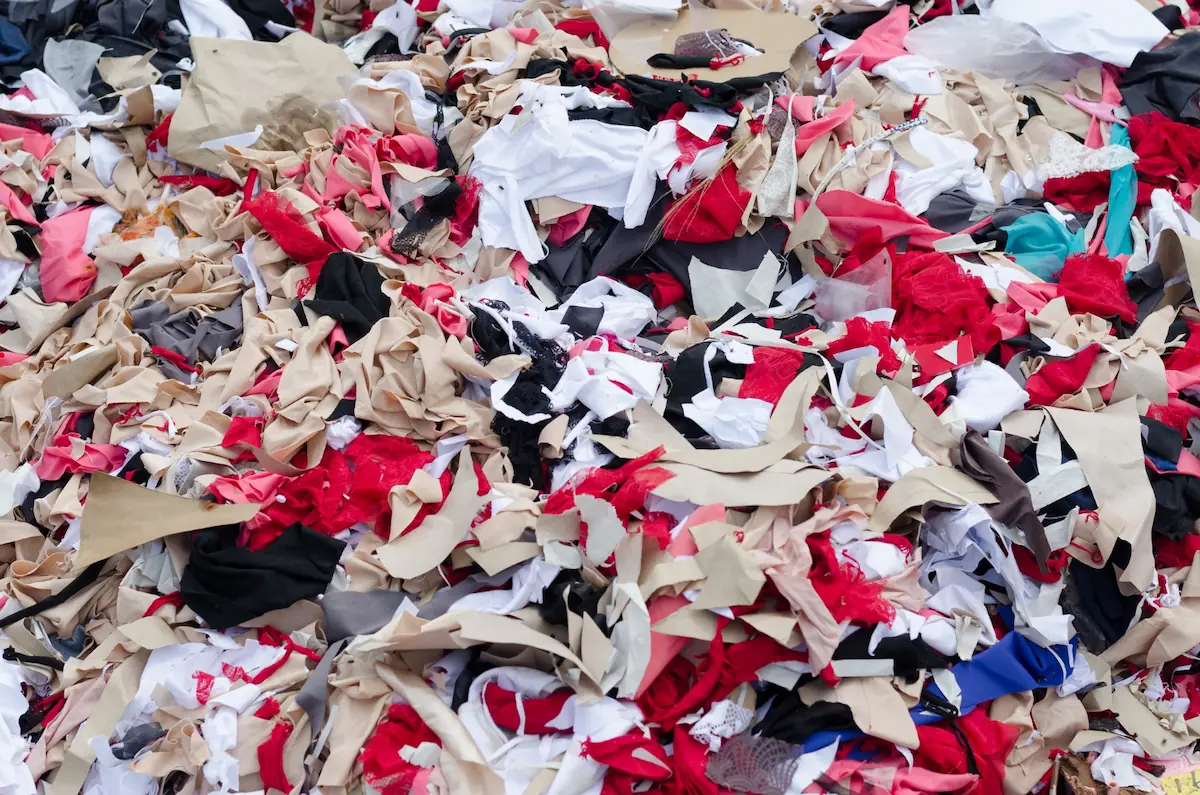
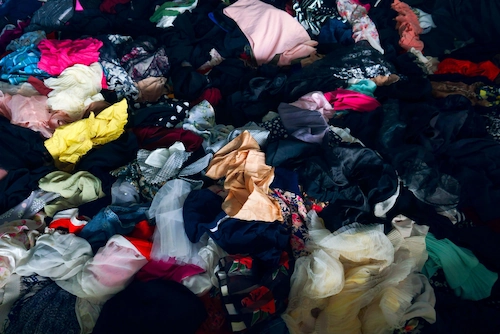
Behind the glamour of the fashion industry lies a host of problems that cannot be ignored. Indonesia’s Ministry of National Development Planning (Bappenas, 2023) reports that textile industry waste amounts to approximately 2.3 million tons per year.
This amount is equivalent to 12% of Indonesia’s total household waste. Textile waste comes not only from factory production leftovers but also from the overflow of illegal thrifting (illegally imported secondhand clothing) that cannot be recycled.
Currently, textile waste is a symbol of unlimited consumerism that has become a systematic ecological crisis, polluting water, air, and soil. Want to know more? Let’s read the following article to the end.
What Is Textile Waste?
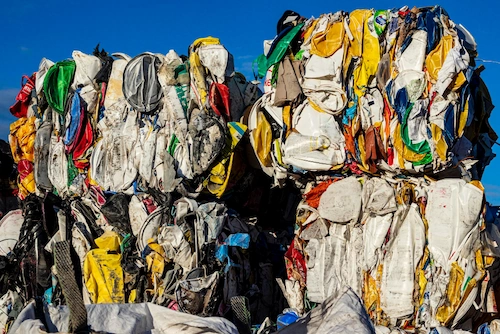
Textile waste is waste produced in the garment industry through the processing of cotton or synthetic fibers into fabric through several stages, starting from:
- The resource selection process (raw materials).
- The cotton spinning process.
- The fabric-dyeing process (for garments).
- The finished product is packaged and shipped to consumers.
This waste can be described as different stages of the product life cycle: the initial stage (manufacturing), use, and disposal.
Textile waste can also be defined as the remnants of the production process that have no economic value and, in fact, have the potential to cause environmental pollution.
Not without reason, the high production volume is directly proportional to pollution. This sector accounts for 10% of Indonesia’s total carbon emissions.
Not to mention, 85% of textile waste is discarded without recycling, ending up as piles of garbage that are very harmful to the environment.
According to data from the United Nations Environment Program (UNEP), more than 92 million tons of textile waste are produced worldwide each year. It is as if every second, a truck is transporting textile waste to a landfill.
Types of Textile Waste
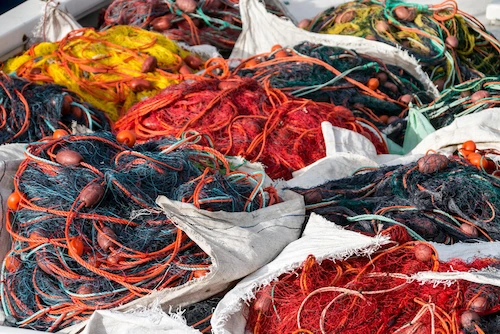
Textile industry waste can be classified into several types. These types of textile waste include:
1. Solid Waste
Examples of solid waste from the textile industry include sludge from wastewater treatment plants (WWTP), chemical packaging, fabrics, and accessories. The fabrics referred to are leftovers from the production process.
Additionally, it can also be fabric that does not meet certain quality standards. Accessories can include nickel in buckles, neoprene-based adhesives, clothing buttons, chromium in leather accessories, metal in zippers, rubber in sponges, and so on.
2. Liquid Waste
Liquid waste is predominantly waste from dyeing, bleaching, and washing water containing chemicals.
3. Gas Waste
Generally, gas waste is produced by steam machines in the textile industry. It is important to understand that residual gases in processing machines and their disposal in incinerators (devices that burn solid, liquid, and gaseous waste at very high temperatures) can produce B3 materials (hazardous and toxic materials).
Read also: Waste Oil: Understanding the Dangers, Impacts, and Effective Disposal Methods
Characteristics of Textile Waste
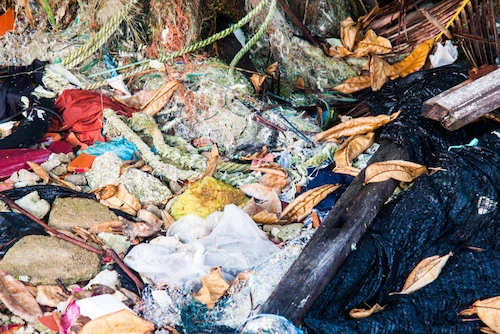
It is very important to understand the characteristics of textile waste to ensure it can be processed properly and efficiently. The main characteristics of pollutants in textile waste are as follows.
- Contains heavy metals and B3.
- Colored.
- High BOD (Biological Oxygen Demand).
- High suspended solids content.
- High oil and fat content.
- pH tends to be alkaline (8-10).
Impact of Textile Waste on the Environment
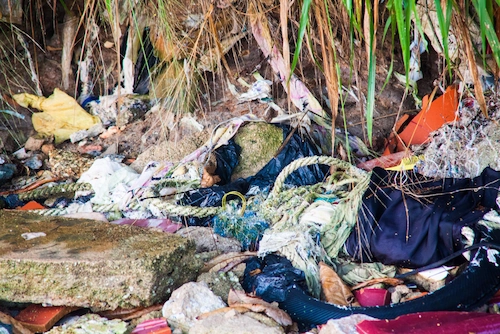
Textile waste has a substantial environmental impact. Some of these impacts are as follows.
1. Water Pollution
Some textile industries sometimes use materials that take tens or hundreds of years to decompose, such as synthetic fibers (acrylic, polyester, and nylon).
This risks disrupting the stability of marine ecosystems, especially if it continues to accumulate. Moreover, polyester accounts for 35% of total microplastics in the ocean, according to the International Union for Conservation of Nature (2017).
2. Soil Pollution
Textile waste contamination of soil can have fatal effects, such as damaging nutrients and killing small animals (worms, eels, and other microorganisms).
Additionally, it changes the soil surface color to a yellowish hue. This condition indicates that the soil has lost its natural balance.
The common causes are the deposition of synthetic dyes and the oxidation of heavy metals, given that textile waste contains lead (Pb), chromium (Cr), and cadmium (Cd), which are used in the dyeing process.
3. Air Pollution
Waste products that continue to accumulate will eventually be burned. This combustion process produces greenhouse gas emissions that pose a serious threat to the health of the environment and humans.
This is because they contain carbon dioxide (CO2), sulfur oxides (SOx), nitrogen oxides (NOx), carbon monoxide (CO), and fine particles (PM2.5).
The process can also cause microplastic pollution, which, if inhaled by living creatures, can lead to health problems (reproductive and respiratory issues).
Read also: What Is Electronic Waste and What Are the Impacts on Nature?
How to Process Textile Waste
Essentially, textile industry waste management can apply the 5R concept, which includes reduce, reuse, recycle, recover, and repair as preventive actions.
However, given that liquid waste dominates textile industry waste, the following methods can be implemented.
1. Pre-Treatment
This stage involves physical processing. The aim is to separate granular or large particles.
2. Primary Treatment
This method of managing textile waste involves removing floating and settled materials from the waste, namely suspended solids and organic matter. The technology that can be used is screening and equalization.
3. Secondary Treatment
This stage is an elimination process for biodegradable organic matter and suspended solids, using aerated lagoons, trickling filters, oxidation ditches, activated sludge, and other technologies.
4. Tertiary Treatment
Treatment at this stage involves removing residual suspended and dissolved solids using ion-exchange, membrane, and adsorption-based technologies.
That concludes the information on textile waste, including its types, characteristics, impacts, and processing methods. From the explanation above, it is clear that textile waste is a serious threat to the surrounding environment, not just a statistic.
It is our shared responsibility to address this issue. You can start with your own wardrobe management, which includes avoiding fast fashion and buying clothes that you do not really need.
In addition to stopping this cycle of destruction, you can take real action for the environment by joining the Indonesia Asri movement.
This community can be a space for you to actively participate and contribute to the collective implementation of #AksiAsri to preserve the environment.
After all, a healthy environment is the best legacy for future generations. So, register yourself as a Warga Asri now and commit to making the earth greener in the future!
Read also: Domestic Waste: Types, Impacts, and How to Manage It