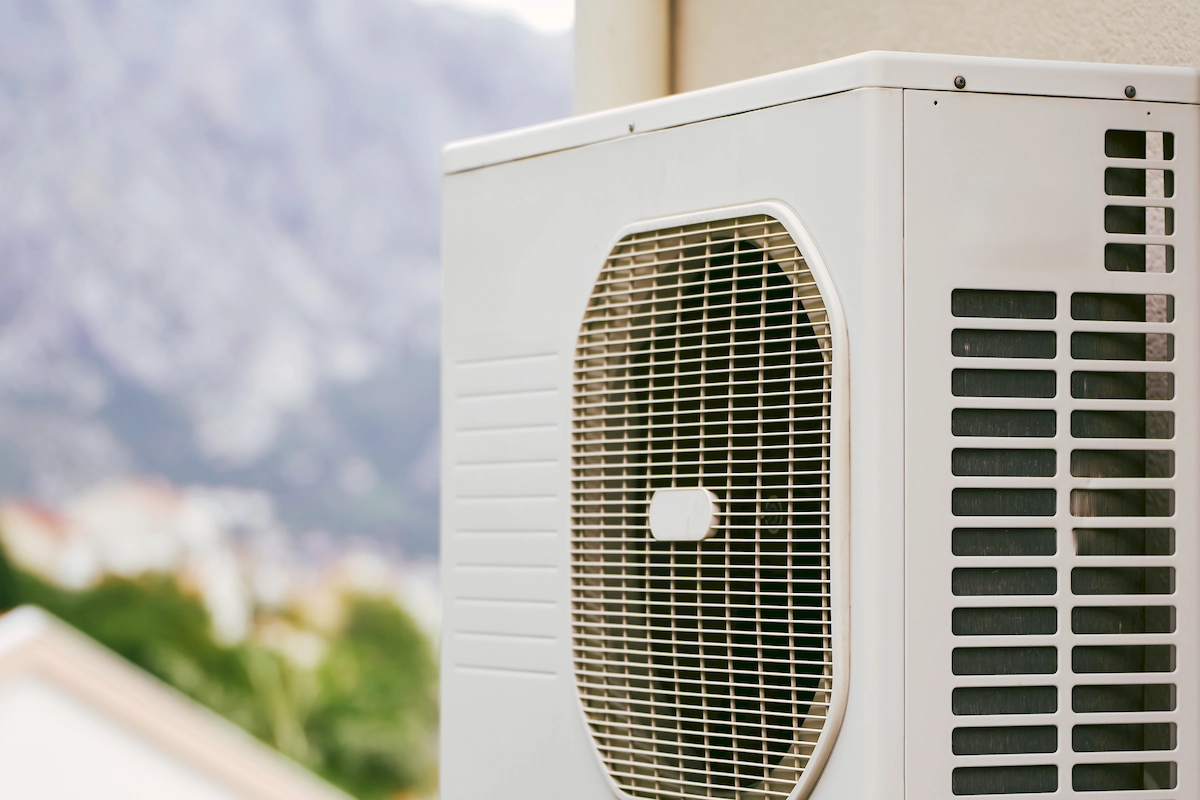
Air conditioner, or AC, has become a part of daily life in Indonesia as our country is located near the equator, making the weather hot sometimes.
Yet, did you know that AC releases wastewater from the condensation process? Instead of being disposed of immediately, you can collect the water and leverage it for daily purposes.
There are many benefits of AC water, such as washing a car and cleaning the toilet. By using this water, you can save water every day. Let’s delve into the benefits of AC water below!
Benefits of AC Water in Daily Life

According to Jurnal Economicus, AC water can be used as a proper water source. In fact, this research revealed that AC water utilization can give a significant economic benefit since the value of AC wastewater in 1 year could reach IDR 14 million.
Yet, it is important to note that AC water is not potable and not suitable for washing your face. This means that AC water can be used for daily activities, such as washing, watering plants, and mopping the floor.
If you happen to hear about the benefits of AC water for the face, you’d better not believe it because there is no particular research talking about it.
AC wastewater can be used to support your daily activities. If you want to know the benefits of AC water, here is the complete explanation:
1. Washing Vehicle
As one of the beneficial liquid wastes, AC wastewater can be used to wash bicycles, cars, and motorbikes. Moreover, you can use it to remove dust and dirt from your vehicle.
But after washing your vehicle with AC water, do not forget to rinse it with clean water to make sure that any dirt is removed completely.
2. Watering the Plant

The next benefit of AC water is for watering the plant. No need to worry about the safety because this water is chlorine- and mineral-free, making it safe for plant growth.
With AC wastewater, you can water various ornamental plants at home. However, since this water tends to be alkaline, do not apply it to plants that can only grow in acidic soil.
Additionally, do not use it to water plants whose fruits are usually consumed directly. This is important to avoid the risk of chemical or bacterial contamination in this water.
3. Cleaning Jewelry
Next, you can use AC water for polishing your jewelry. The method is quite easy, as you only need to soak the jewelry in the AC water for 1 hour and then wipe it using a dry cloth.
Read also: 3 Ways to Turn Clothes Waste into Useful!
4. Cleaning Stuff

Did you know? One of the benefits of AC water is that some items in your home can be cleaned easily using it. For more optimal results, however, it is recommended to use this water mainly for outdoor items.
You can use AC water to wipe windows, garden tables and chairs, fences, and plant pots. If they have stubborn stains, you can mix the AC wastewater with vinegar or baking soda to help remove the dirt effectively.
5. Helping with Compost
If you are doing organic compost, you can use AC water for the composting process. By adding AC water to your compost hole, it can be more moist, making the decomposition faster.
6. Adding Radiator Coolant

Are you running out of radiator coolant? You can leverage AC wastewater as a temporary solution. However, because AC water is not always pure, make sure that the water is dirt- and rust-free before using it.
Read also: Deriving Benefits from Household Waste
7. Watering Plants
The next benefit of AC water is to wet various plants and grass in the garden. To make it easier, you can collect the dripping water in a container first or direct it to the garden.
8. Cleaning the Toilet

You can clean the toilet and save water by using AC wastewater. Moreover, with this water, the yellow stain in the toilet can be removed easily.
How to Use AC Wastewater

Now that you know the benefits of AC water, it is time to try it out at home. However, you must pay attention to some aspects below to ensure that the water is proper and safe:
- Collect AC wastewater in a container placed under the waste channel.
- Avoid exposing the container to direct sunlight to prevent algae and bacterial growth.
- Use the AC wastewater right away and do not store it for too long.
- If it appears dirty, you can filter the water before using it.
That concludes the benefits of AC water for daily use properly. In addition to saving costs, using AC water can support water recycling and environmental conservation.
If you are interested in turning household waste into a valuable thing, you can join Indonesia Asri. Together with Indonesia Asri, you can contribute your best efforts to the environment.
Remember to share your small sustainable actions in a simple story by participating in the Jejak Asri campaign!
You can submit your inspiring stories until October 16, 2026. Do not miss out on this campaign because you could win prizes worth millions of rupiah!
Register yourself now and contribute to preserving Indonesia’s environment!
Read also: Sustainable Transport: An Eco-Friendly Solution for the Future
| No | Key Term | Description |
|---|---|---|
| 1 | AC Water (Air Conditioner Condensate) | Water produced from the condensation process inside an air conditioning unit. It is usually discharged as wastewater but can be reused for non-drinking purposes. |
| 2 | Condensation Process | The process where humid air cools and turns into liquid droplets. In AC systems, this process generates wastewater. |
| 3 | Non-Potable Water | Water that is not safe for drinking or direct consumption. AC water may contain bacteria or particles, making it unsuitable for drinking. |
| 4 | Water Recycling | The practice of collecting and reusing water for alternative uses instead of disposing of it. AC water reuse is a simple form of recycling. |
| 5 | Sustainable Water Management | Efficient and responsible use of water resources to reduce waste and environmental impact. Reusing AC water supports sustainability. |
| 6 | Economic Value of Wastewater | The financial benefit gained from reusing wastewater. AC water utilization can provide measurable cost savings annually. |
| 7 | Environmental Conservation | Efforts to protect natural resources and reduce environmental damage. Reusing AC water helps conserve freshwater and supports eco-friendly living. |
FAQ About Benefit of AC Water
1. What is AC water?
AC water refers to the condensed water collected from air conditioning units. It forms when humid air passes through the cooling coil and is often discharged as waste.
2. Is AC water safe to use for plants?
Yes, AC water can be used for watering plants, especially non-edible ones. However, because it lacks essential nutrients, it is better suited for decorative or indoor plants rather than edible crops.
3. Can AC water be used for cleaning?
Absolutely. AC water is soft and free from minerals, making it useful for cleaning glass surfaces, mopping floors, or even filling steam irons to prevent scaling.
4. What are the environmental benefits of reusing AC water?
Reusing AC water reduces overall water waste, helps conserve fresh water, and supports sustainable water management in households or offices.
5. Can AC water be used for car maintenance?
Yes, AC water can be collected and used for cleaning car windows, radiators, or topping up windshield washer tanks, as it does not leave mineral stains.
6. Is AC water safe for drinking?
No, AC water is not safe for direct consumption because it may contain bacteria, dust, or metal particles from the unit. It would need proper filtration and treatment before being considered potable.
7. Can I use AC water to wash clothes?
Generally, yes. AC water is similar to distilled water, but make sure it’s clean and doesn’t contain dust, mold, or rust from the drainage system before using it.
Explore More Videos about Environmental Care Action!